2025 Holiday Book Recommendations

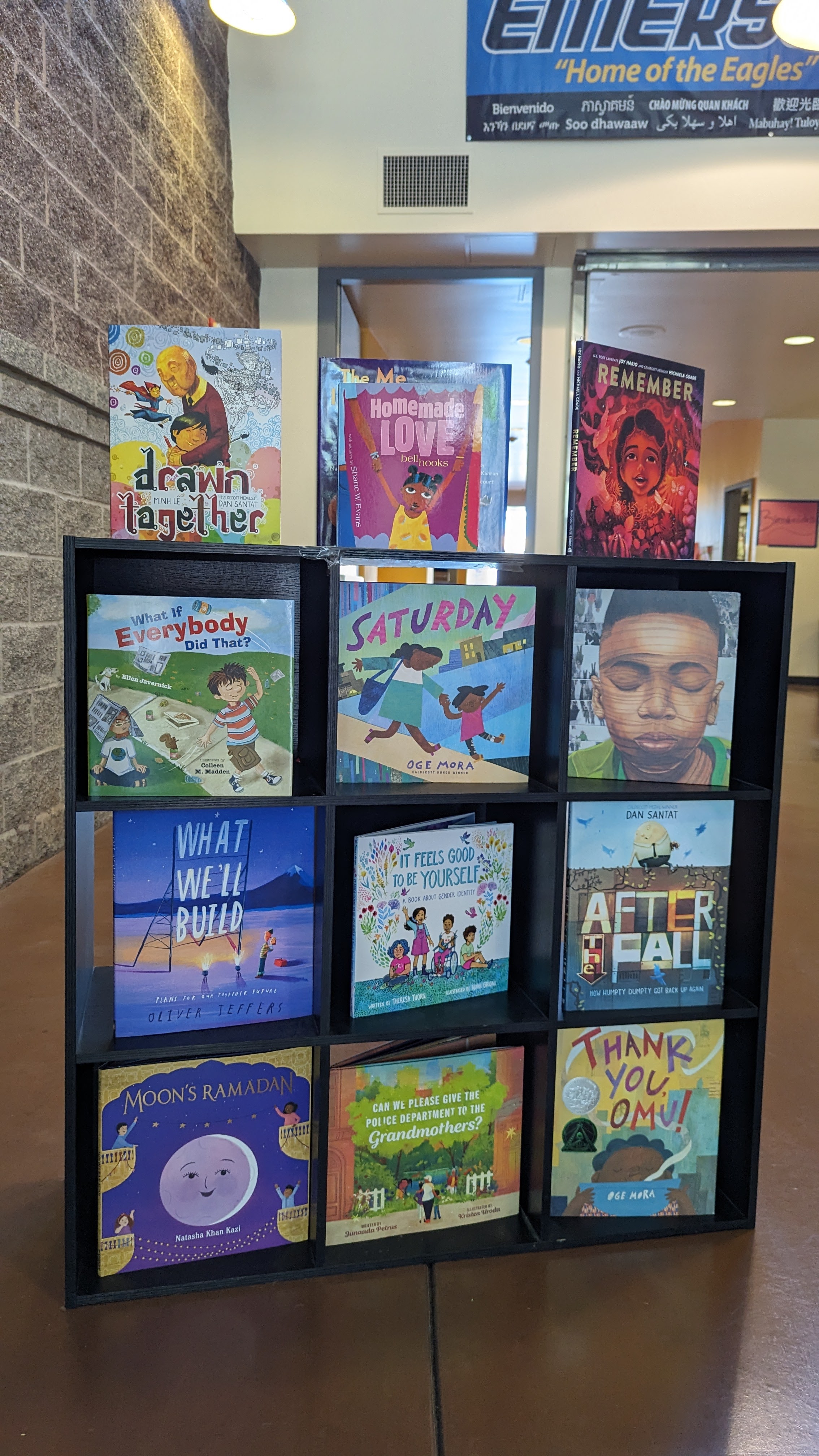
Children's picture books on display

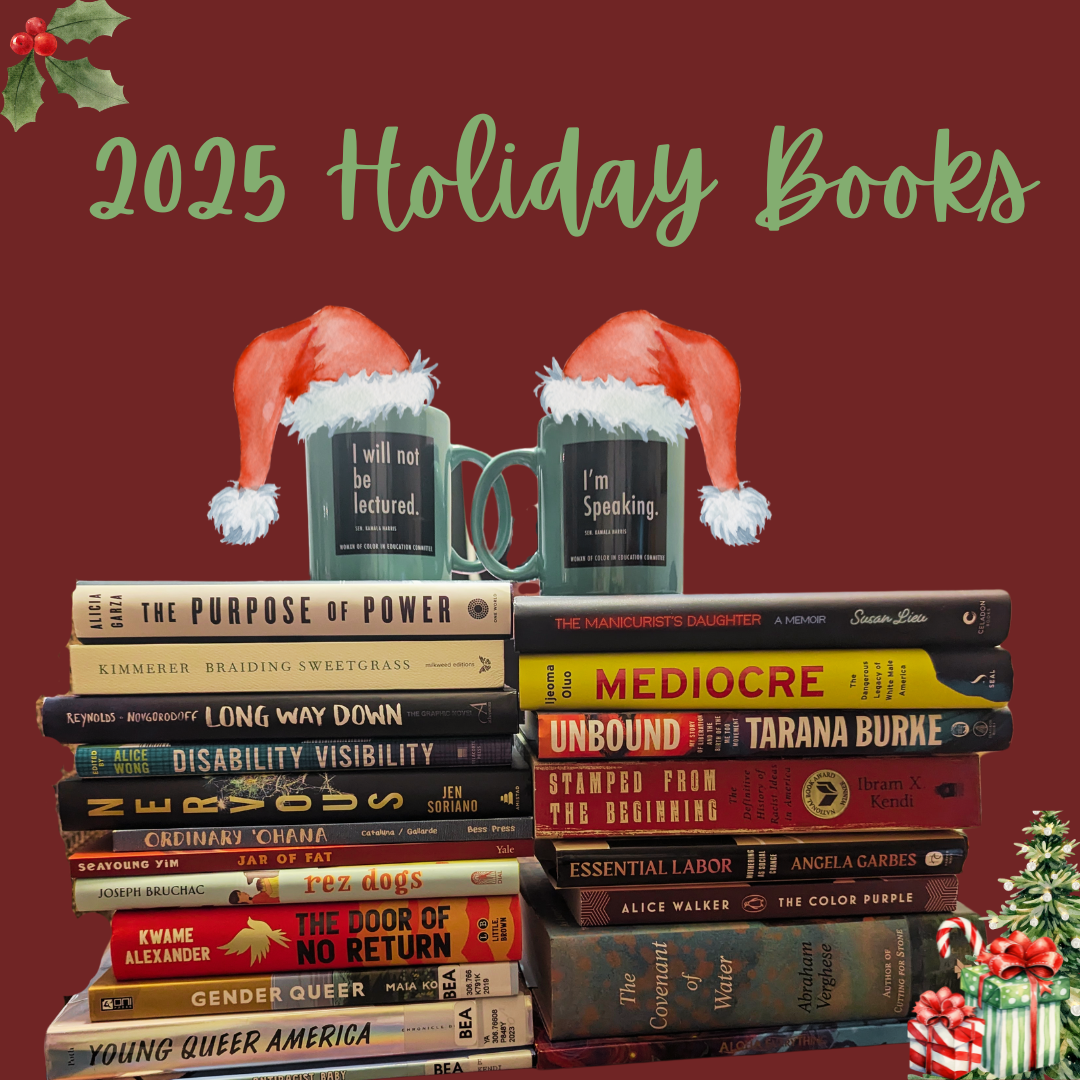
It’s time for another post with my favorite books for your books for the 2025 holiday season. The links below are affiliate links to Bookshop.org. I use the profits to purchase books to donate to low-income diverse schools.

Board Books

I love a good board book. They are more durable and often more affordable than picture books. Here are a few that are worthy of gifting this holiday season.

Braille: Counting is tactile with the Braille and adds great sensory elements with some of the touching parts, and high contrast colors in the book.

Sockeye Silver, Saltchuck Blue and A is for Anemone by Roy Henry Vickers and Robert Budd are authors from Canada. They give us these gorgeous books. The books are full of color and illustrations based in the First Peoples culture from the Pacific Northwest region.

The box set of Families, How We Eat, On-the-Go, Celebrations, & Hair shows children and families in many different forms of diversity. I haven’t seen the board book version of these books, but if they are like the picture book versions they will be fab. The pictures in the book include children with disabilities, from LGBTQ families, multi-racial, and multi-cultural. The pictures in On the Go and How we Eat have children using different feeding aids and mobility aids (respectively). 

Picture Books

Lunch Every Day – Civility and kindness is so important to model and teach. This book shares the story of a young kid who is often seen as a bully and having a hard time making friends. He is invited to a party, something that doesn’t happen often because he’s a bully and something unexpected happens. I won’t give away the rest of the story, but it is an important one especially in this political climate. If you have any teacher friends/family in your life, buy a copy for their classrooms, pre-school to high school should be reminded of the message in the book. Yes, high schoolers read and enjoy picture books too.

If you’re looking for a gift for a budding naturalist or biologist, The Land Knows Me, makes a great gift. This non-fiction book shows native plants from the Pacific Northwest area. The plant names are listed in Squamish language and the book describes Indigenous practices around plants.

Little Golden Books are iconic and affordable. They also have done a nice job diversifying their lineup and including BIPOC authors and topics. I found BTS Little Golden Book while on a work trip in Spokane, WA. I also really loved the Michelle Yeoh Little Golden Book. And there are so many other great books by Black and Brown authors including: Simone Biles, Sonia Sotomayor (English or Spanish), Ms Marvel, Ramadan. If you have any KPop fans in your house Little Golden Books has a Blackpink book coming out in a few weeks.

Wrong season, but pick this up for next fall, Day of the Dead ABC / Día de Los Muertos ABC is so good. The text and pictures work together to talk about culture and language. I appreciate the Spanish and English text trade off on which is centered/larger so it more of a bilingual book than a book with two languages.

Winter Holiday Books

An Anishinaabe Christmas shows how an Anishinaabe (Indigenous) family blends cultural practices to celebrate Christmas. The author is the Premier of Manitoba and  

Santa’s Gotta Go is hilarious. Santa overstays his welcome with a family and you get to witness the chaos.

The Mexican Dreidel a boy visits his grandmother in Mexico and brings his dreidel. Readers get to see how Hanukkah is celebrated in Mexico. (Not POC authored)

Santa’s Husband is on my favorite book list. Santa and his husband challenge the white heterosexual Santa norms in this comical book. (Not POC authored)

Adult Books

I am hyping up and recommend two brand new releases by friends. First is Ruchika T. Malhotra’s Uncompete. She’s done it again, writing about how when we lift up women and others who are marginalized we’re better off.

The second, is Vu Le’s Reimagining Nonprofits and Philanthropy. Vu is known for his blog NonprofitAF and this book carries a more serious weight than the blog BUT don’t let that deter you. It is an important book to help us reimagine what the third sector (nonprofits) and government can do better.

I read Kuleana a few months ago and still think about it. The book shares the author’s family’s journey to keep land in their Native Hawaiian family and the author’s journey to understand her Native Hawaiian connections even though she doesn’t live in Hawai`i. The book is more than just about land, it is about our spiritual connection to the aina, our responsibility to people displaced from their homelands.

I’m about halfway through Babel and it is captivating. Never have I thought about translation and the etymology of words and meaning. RF Kung nails the sinister aspect of her characters as always which makes for an enjoyable read.

It Rhymes with Takei makes a gorgeous gift book for anyone looking to learn more about LGBTQ history. This graphic memoir follows actor George Takei’s life and gay history in America. I read it over Pride weekend and appreciate LGBTQ history even more now.

Cookbooks

What isn’t to love about 108 Asian Cookies. I haven’t baked out of this cookbook yet, just ogled at the pictures. I have Kat Lieu’s other cookbook and baked out of that one with great results so this one will probably be equally as great.

Good Things by Samin Nosrat features her favorite recipes for family and friends. This cookbook is more of a traditional cookbook versus her first book Salt Fat Acid Heat.

There are so many more books to share, if I get around to it I’ll make a second list with more recs. In the meantime, if you want to see more books I enjoy here is Fakequity’s Bookshop.org link. Happy reading this winter.

Summer reads

Black totebag with words Read Rise Resist in ombre blue to pink font

I meant to put out a spring book list, but that came and went, so now we’ll launch into summer reading. I hope you’re participating in your local summer reading campaigns. A lot of local bookstores, libraries, or online book websites have summer reading campaigns and fun. Choose one, or more, and have some fun reading your way through the summer. Here are a few diverse books to help round out your reading lists.

Light and Sunny Reads

Vera Wong Unsolicited Advice for Murders and the newer book Vera Wong Guide to Snooping on a Dead Man are charming. Despite their titles they are perfect for a lighthearted summer read. If you’re participating in the Seattle Public Library or King County Library System Summer Book Bingo both of these books will work for the Found Family or Humor squares.

Serviceberry by Indigenous writer and botanist Robin Wall Kimmerer is a book about resisting consumerism and moving to a gift and sharing economy. For those who are reading NY Times columnist Ezra Klein’s newest book Abundance, make sure to read Kimerer’s book to understand a Native perspective on the same topic. For SPL/KCLS Bingo this fits the Resistance square.

In honor of Asian American Native Hawaiian and Pacific Islander month, and for the flower on the cover square, I’ll mention Lei Aloha. The book features different types of Hawaiian lei and how the author reconnected with the art form.

A Little Deeper Read

My friend Susan Lieu’s book The Manicurist Daughter just came out in paperback. She details her journey to understand her mother’s sudden death while undergoing plastic surgery and body acceptance. I really enjoyed her audiobook version since Susan narrated it and she’s a great actor as well. SPL/KCLS Bingo –Grief.

The SPL/KCLS Bingo board has a square for Monsters. The young adult pair of books Healer of the Water Monster and Heroes of the Water Monster are great books. They bring awareness to climate change and the importance of water in our lives. They are written from a Native American perspective.

I finally got around to listening to the audio version of James. It was so good. The tale of Jim, Huckleberry Finn’s companion was worth the read. It fits the Great Escape square.

For censorship or dystopian square the science fiction YA book The Last Cuentista. The story focuses on a doomed society but how a young girl wants to preserve the stories of the past to help the future.

Deep Read

It is the five year anniversary of the murder of George Floyd. I still remember the collective anguish, coupled with COVID, as a call to do better. I wish I could say we’re making progress on racial repair and reckoning. That is why books and learning continue to be important. His Name is George Floyd documents Floyd’s life and how systemically Black people face more obstacles in America.

Picture Books

No list would be complete without a few picture books. Make Your Mark was an interesting read to learn more about tattoo artist and Black history.

Free to Learn tells the story of the landmark Supreme Court case, Plyer v. Doe, that guarantees immigrant students the right to obtain a public education in the US.

Since it is graduation season, The Blur by Minh Lê, or What Will You Be? by Yamile Saied Méndez, are worthy alternative to the Oh the Places You’ll Go by Dr. Seuss. The Blur is great for new parents or preschool graduates. The messages will be lost on young kids but for the adults a tear may fall. Since my kids were born way before these books were published they both have copies of Dr. Seuss book which they take to school at the end of the year to collect signatures and messages like an autograph book. We’ve done this since they were at a childcare center and it’s become a nice keepsake. If I was doing it over again I would have found a BIPOC book to use instead.

I may put out a second list with more titles in a few weeks. I didn’t get around to including cookbooks or other faves I’ve recently read.

*The links above are for my Bookshop affiliate page. The profits are used to purchase books to donate to public schools.

2025 List of Culturally Significant Dates

Picture of a handwritten calendar/planner Photo by Bich Tran on Pexels.com

This was a very popular blog post when Fakequity was alive and active. I’ve brought it back for 2025.

The list is meant to highlight less commonly well known dates that are important to BIPOC and religious communities that may not be featured in Western calendars or consciousness. Thus, you won’t see dates like Valentine’s day, Independence Days/4th of July, Halloween, etc. those dates are easily found on Western calendars. This list is not exhaustive. I don’t put every religion’s holidays on there. The dates listed were recommended by colleagues of those faiths or through basic research. There is always a danger when making a list to offend by leaving something off a list. The omissions were not intentional. Please take this list with a bit of grace, it is a start and you are encouraged to do your own research and talk to your community members to figure out how and what they celebrate.

The list was put together with the help of friends and colleagues, therefore our biases show through. To name some of them, English speaking/literate, US West Coast demographic bias, college educated, and connected to technology. I’ve done my best to expand the list over the years while still centering BIPOCs. I’ve also done my best to research the dates and verify them against several websites, but I know there will be errors, omissions, and differences in when dates/holidays are practiced or celebrated. Please always check with your local communities to understand nuances and which dates are important. If there are errors please email fakequity@gmail.com with corrections. If you enjoy this list and would like to pay it forward please consider ordering books through the Fakequity Bookshop storefront.

2025 Dates

  • Korean American Day — 1/13/25, annual date 1/13
  • Martin Luther King, Jr. Day – 1/20/25
  • International Holocaust Remembrance Day — 1/27/25 – annual date 1/27
  • Lunar New Year (Chinese) – Year of the Snake / Tet (Vietnamese) / Seollal (Korean) – 1/29/25
  • Setsuban, end of winter start of spring (Japanese) – 2/3/25 – annual date 2/3
  • Lantern Festival – 2/12/25 (China)
  • Maha Shivaratri (also spelled as Shivratri, Shivaratri and Sivaratri) (Hindu) – 2/26/25
  • Hinamatsuri – Girl’s Day (Japanese) – 3/3/25 – annual date 3/3
  • Mardi Gras / Fat Tuesday – 3/4/25
  • Ramadan – 3/1 (sundown) – 4/8/24 (tentative dates, dependent on the sighting of the moon. Follows the lunar calendar.) (US Date)
  • Eretria Easter, Coptic Easter – 4/20/25
  • Holi – 3/14/25 sundown to 3/15/25 sundown 
  • Baisakhi / Vaisakhi (Sikh New Year) – 4/14/25 – generally celebrated on 13 or 14 of April every year
  • Pesach / Passover (Jewish) – 4/12 (sundown) – 4/20/25 (nightfall)
  • Eid ul-Fitr – 3/29/30 sundown until 3/30/25, the date may vary due to local practices, other dates listed 3/31/25
  • Orthodox Easter – 4/20/25
  • Ethiopian Orthodox Easter – 5/5/24
  • Children’s / Boy’s Day (Japanese) – 5/5/25 –annual date 5 May
  • Vesak / Vesākha / Vaiśākha / Wesak/ Buddha Jayanti / Buddha Purnima / Buddha Day (Buddhist) – 5/12/25 or 5/13/25 or 5/24/25 (follows the lunar calendar)
  • Dragon Boat Festival (China) – 5/31 – 6/2/25, takes place on the fifth day of the fifth month of the lunar calendar
  • Kamehameha Day (Hawai’i) – 6/11/25 – annual date 6/11
  • Shavuot (Jewish) – 6/1 -6/3/25
  • Juneteenth – 6/19/25 – annual date 6/19
  • Summer Solstice (northern hemisphere) – 6/20/25
  • Hajj (Islam) – 5/29/25 (starts evening)
  • Eid al-Adha – 6/6/25 (sundown), or 6/10/25 (contingent on moon sighting)
  • Liberation Day (Guam) – 7/21/25 – annual date 7/21
  • Tish’a B’Av (Jewish) – 8/2-8/3/25
  • Obon (Japan) – 8/13-16/25 (no exact date, more of a season of activities, some places celebrate in July)
  • Hungry Ghost Festival (some Asian countries) – 9/6/25, celebrated on the 15th day of Ghost Month, the 7th lunar month
  • Enkutatash – Ethiopian New Year – 9/11/25
  • United Nations Declaration on the Rights of Indigenous Peoples – 9/13/25 – annually recognized 9/13
  • Prophet Muhammed’s birthday (Palestine) – 9/5/25
  • Mid-Autumn Festival / Mooncake Festival – 10/6/25
  • Rosh Hashanah (Jewish) – 9/22 – 9/24/25 (starts sundown)
  • Yom Kippur (Jewish) – 10/1 – 10/2/25 (starts sundown)
  • Sukkot (Jewish) – 10/6 – 10/13/25
  • Lotu Tamaiti – White Sunday (Samoa) – 10/12/25 – Second Sunday of October, public holiday
  • Indigenous Peoples’ Day – 10/13/25 – observed the second Monday of October
  • Hanal Pixán (Food of the Souls or Day of the Dead) (Mayan) — 11/1-11/2/25, festivities start 10/31
  • All Saints Day – 11/1/25 (annual date 1 Nov)
  • Día de los Muertos – 11/1/25, annual date 11/1
  • All Souls Day – 11/2/25, annual date 11/2
  • Diwali / Deepavali / Dipavali / Bandi Chhor Divas (Sikh) – 10/21/25 or 10/18-10/23/25 
  • Transgender Day of Remembrance – 11/20/25 – annual date 11/20
  • Bodhi Day (Buddhist) – 12/8/25 – annual date 12/8, or 12/9/25
  • Human Rights Day – 12/10/25 – annual date 10 Dec
  • Las Posadas and Noche Buena (Christian Latin American) – 12/16 – 12/25/25 – annual dates 12/16-24
  • Simbang Gabi (Filipino) – 12/16 – 12/24/25
  • Winter Equinox (northern hemisphere) 12/21/25, 7.02 a.m. PST
  • Hanukkah / Chanukah – 12/14/25 – 12/22/25 (starts and ends at nightfall)
  • St. Nicholas Feast Day (Orthodox) — 12/6/25, some observe the date as 12/5/24
  • Kwanzaa – 12/26-1/1/25 – annual dates 12/26-1/1
  • Orthodox / Ethiopian Orthodox Christmas / Eritrean Orthodox Christmas (Note: Not all Orthodox celebrate Christmas on this day, many celebrate Christmas on 12/25; the 1/7/24 date follows the ‘old calendar’) – 1/7/25 or 1/6/25 (less common)

List of Jewish holiday dates.
Comprehensive list of Islamic special days
List of Buddhist days

New Years Dates

  • Orthodox New Year – 1/14/25
  • Lunar New Year (Chinese) / Tet (Vietnamese) / Seollal (Korean) – 1/29/25
  • Losar / Tibetan New Year – 2/28/25
  • Tsagaan Sar/ White Moon (Mongolian) – 3/1/25
  • Nyepi Bali Hindu New Year – 3/29/25
  • Persian Nowruz / Iranian New Year – 3/20/25, check the date with your local community
  • Naw-Rúz / first day of the Baháʼí calendar – 3/20-21/25
  • Ugaadhi / Telegu and Kannada New Year – 3/30/25 (estimated)
  • Baisakhi / Vaisakhi (Sikh) – 4/13/25
  • Thingyan (water festival) / Burmese New Year Festival – 4/13 – 4/16/25, 4/17/25 Burmese New Year
  • Aluth Avurudda (Sinhalese New Year, Sri Lanka) – 4/13 – 4/14/25 (estimated)
  • Songkran (Thailand) – 4/13/25 – 4/15/25
  • Khmer New Year – 4/14-16/25
  • Bun Pi Mai (Lao) – 4/14 – 4/16/25
  • Bengali New Year, Pohela Boishakh – 4/14/25
  • Matariki, Maori New Year (New Zealand) – 6/28/25 (estimated)
  • Al-Hijra / Muharram (Islamic/Muslim), Islamic New Year (Palestine) – 6/27/25 (estimated)
  • Enkutatash / Ethiopian New Year – 9/11/25
  • Rosh Hashanah (Jewish) – 9/22 – 9/24/25 (starts sundown, ends nightfall)
  • Diwali / Deepavali / Dipavali / Bandi Chhor Divas (Sikh) – 10/21/25
  • Guru Nanak Jayanti (Sikh) – 11/5/25 (estimated)

Monthly Recognitions

  • January – none
  • February –African American History Month, Black History Month, Mahina ʻŌlelo Hawaiʻi language month (Hawai’i)
  • March – Developmental Disabilities Awareness Month, Deaf History Month (March 13-April 15)
  • April – Arab American Heritage Month
  • May – Asian American Native Hawaiian Pacific Islander Heritage Month, Jewish American Heritage Month
  • June – LGBTQ Pride Month
  • July – Disability Pride Month
  • August – Black Business Month
  • September – Hispanic Heritage Month (15 Sept – 15 Oct), Hawaiian History Month
  • October – Disability Employment Awareness Month, Filipino American History Month, LGBT History Month
  • November – Native American Indian/Alaska Native Heritage Month
  • December – Universal Human Rights Month

2024 Holiday Book Recommendations

Popping back into your feeds to share some book recommendations for the 2024 holiday season. Whether you’re looking for a book for yourself or a book to give as a gift, there is hopefully a little something for everyone below. Happy reading!

The Serviceberry: Abundance and Reciprocity in the Natural World by Robin Wall Kimmerer. I’m about one-third of the way through this book and it radiates much like Kimmerer’s previous book Braiding Sweetgrass. It is a good reminder to get out of consumeristic and transactional ways and to see nature as a reciprocal relationship.  

For memoir lovers make sure to give them The Manicurist’s Daughter: A Memoir by Susan Lieu. Susan’s book is filled with grief, raw emotions – tantrums and love, acceptance, and looking forward. A highly recommended book.

Freedom is a Constant Struggle by Angela Davis is a book for the moment and the movement. We’ll need it in 2025 and for the next four years. Get one for you and a friend or colleague to share ideas.

Brittney Griner’s Coming Home, is worthy of a holiday gift for the sports lovers in your life. I don’t read a ton about sports, but I picked this up based on Heidi’s recommendation. I learned so much more about Griner’s time in a Russian jail, wrongfully imprisoned. I also now have a deeper appreciation for women’s professional sports because of this book.

If you’re looking for a fiction read, Heidi (of Color Brave Space fame), recommends Vera Wong’s Unsolicited Advice for Murderers by Jesse Q. Sutanto. Sometimes we need some mystery in our lives.

If you have any Buddhist in your life or anyone wanting to explore feminism in religion, debut author Nhi Tran’s Budding Lotus in the West: Buddhism from an Immigrant’s Feminist Perspective is intriguing. It is an important book exploring women’s role in religion.

Every booklist needs a cookbook recommendation. On the Curry Trail was a delightful read. It was fun to learn about the history of curry and explore different curries from around the world. I enjoy a good cookbook that has recipes that connect food, people, and places in one book. Gift this to someone who is looking for

My resident manga lover recommends I Want to Eat Your Pancreas: The Complete Manga Collection by Yoru Sumino. The title has sparked a heated debate in our house about the title, good books spark debate. The premise of the book centers around the main character having terminal pancreatic cancer and keeping it a secret.

She also recommends Superman Smashes the Klan by Gene Luen Yang. This is a good book for talking about anti-Asian racism and group think in the face of rhetoric and fear – important themes for the coming years.

If you need a gift for a younger child, especially girls (or any gender and grow their feminism) Goddess: 50 Goddesses, Spirits, Saints, and Other Female Figures Who Have Shaped Belief is a good one. It is a gorgeous giftable book at an affordable price.  

Here are a few Christmas theme picture books:

Tamales for Christmas is a recently released picture book. Based on the author’s childhood experience of watching his Grandma makes thousands of tamales to help the family afford Christmas gifts. It is a lovely picture book and shares how family and community comes together as a support network.

An Anishinaabe Christmas by Wab Kinew shares how a Native Anishinaabe boy interprets his family’s winter traditions. Christmas gets blended into Native traditions.

Santa’s Gotta Go! Had me laughing. In this book Santa is not the model house guest. At the end of the story Santa gotta leave so the family can have some peace back.  

For more book recommendations see Fakequity’s Bookshop store link. All of the above links are affiliate links that generate a small profit for Fakequity. I use the profits to donate books to public schools and to support the blog.

Trump 2.0 — Imagining something different

Art from Amplifer, Creative Wannabe

I’m popping out of Fakequity retirement to check in with you on your post-presidential election stupor. How is your soul, how is it feeling? Maybe you’re tired of being asked that on day three, for others maybe you’re still in a stupor and processing.

My modus operandi is to move quickly through disbelief to “time to do something.” I don’t know if that is good, bad, or just is. I landed on it is all ok. 

I’m working on getting creative to make the next four years tolerable to worthwhile. The Sunday before the election, I picked up Trevor Noah’s newest book Into the Uncut Grass. More than the story itself, I’ve been captivated with a passage in his intro: 

“Imagining… is crucial for conflict resolution. When faced with seemingly insurmountable challenges, it is our ability to envision possibilities beyond the immediate and the obvious that paves the way for solutions.” I work in conflict resolution and alternative dispute resolution, so this passage felt very relevant. Now is the time where we imagine and connect as humans.

We’ve lost the ability to connect with others and to hear their life stories, we’ve lost the narratives. I am guilty of this. Maybe it was during COVID or maybe it’s from years of working in polarized environments where I allow my biases to take over and I now snap to judgments. I’m less patient and less tolerant of divergent views, and less wanting of guiding people to understand other points of view too. This is not a good formula for conflict resolution as a community building skill.

Where I’ve landed in the Trump 2.0 era is to practice resolve. Part of that resolve needs to include imagining new ways fueled by diverse voices, practicing truer listening skills, and asking deeper more personalized questions. A friend who is masterful at teaching people to see each other recommended the book How to Know a Person, by David Brooks. Normally I would have passed on a white male author, but I’m glad I put it into my audiobook queue. Brooks confirmed my instinct to use questions that drill deeper into people and inviting people to connect on a human level versus asking superficial questions.

I need to practice/resolve to making this more of a regular practice, creating space for these questions – not defaulting to “how are you?” or “what is going on?” Deeper questions that invite people to share about themselves create connections. These connections were deeply lacking during the election. We allowed partisan and polarization to put people into over simplified groups. We stopped understanding or asking why they feel the ways they do. We forgot we are each other – as awkward as that statement is I mean it the way it is typed — when we listen to each other there are probably strands of each other’s stories that are relateable.

Practicing imagination to get to conflict resolution takes skill and practice. I’m not there yet. I tried today and made a few millimeters of progress. My imagination muscles need fine tuning. To grow that practice, I’m leaning on the creative works of others to learn this skill. I stopped by the library and borrowed a stack of poetry by authors of color. Joy Harjo’s book Conflict Resolution for Holy Beings was an unexpected find, but the title seemed appropriate for the moment. I also watched Marvel’s Avengers, particularly the scene where they need to defend Wakanda – a good fight scene felt appropriate this week and fed my soul in ways poetry couldn’t.  

It is time to rage at the dying light (apologies to poet Dylan Thomas), but also to humble ourselves and listen.

It is time to imagine, create, and to resolve conflicts and silent tensions by coming up with yet undiscovered imaginations and creations.

It is time to be resolved, and to lay ‘down the burdens next to each other’ (from Joy Harjo’s poem).


A special thanks to S.S.T. for the text prompting this post. Mahalo nui friend.

Aloha Oe

North shore, Oahu. Sandy rocky beach with blue sky and clear ocean water. Land on the other side of the water. Pic by E. Okuno

This is the final blog post for Fakequity.

I started Fakequity about nine years ago and it’s been a good run. Through the weekly self-imposed writing assignment I’ve been forced to think, process, and deepen my understanding of race, community, racism, privilege, disability, and so much more. The blog has afforded me a lot of privileges and allowed me to jump headfirst into rabbit holes of learning. Thank you for going on those journeys with me. I’m so grateful for the people who became friends and confidants along the way.

When I started the blog, writing and blogs had a bigger part in occupying people’s curiosity and mental space. I’m grateful for being part of that time and moment. There were fewer creators who were doing this type of personal short form writing on race. Today there are new creatives who are pushing boundaries and providing media to help people explore race and equity more. I hope you’ll continue to learn from them.

Now feels like a good time to say aloha and mahalo — goodbye and thank you. I’m ready to create space in my life to do other things. I don’t know what will fill that time, but as my youngest child once told me “You do weird things in your free time.” She’s right. I’ll be able to say yes to more oddball projects. If I’m able to manifest it through this post, I would like to continue to learn and connect. I’d also like to explore some new topics and interest for fun and work. Maybe some travel, just enough to keep things curious but not enough to be exhausting or environmentally taxing. Please reach out if you have project ideas, including oddball ideas.

The blog will stay up for a while, well at least until my annual fees expire on WordPress. For those of you who contributed monthly to the upkeep of the blog with a Patreon subscription – mahalo nui, a big thank you. Your monthly contributions kept me working and writing. If for some reason you are charged a Patreon fee in October or beyond, please let me know so I can reverse those charges.

In Hawai’i we say a hui hou – until we meet again. If I come up with a brilliant new something to fill the blogging void I’ll let you know through the subscriber list.  

In the meantime – please do the following: Please VOTE if you can – elections matter to racial justice every election matters. Read a lot of diverse books and news media – reels and short vids are entertaining, but nothing replaces the deep thinking, research, and reporting of print media. Speak up and name racism as you encounter it. Be kind to others and invest in deepening diverse relationships. Together we can keep the spirit of fakequity alive.

Rethinking Land Acknowledgements

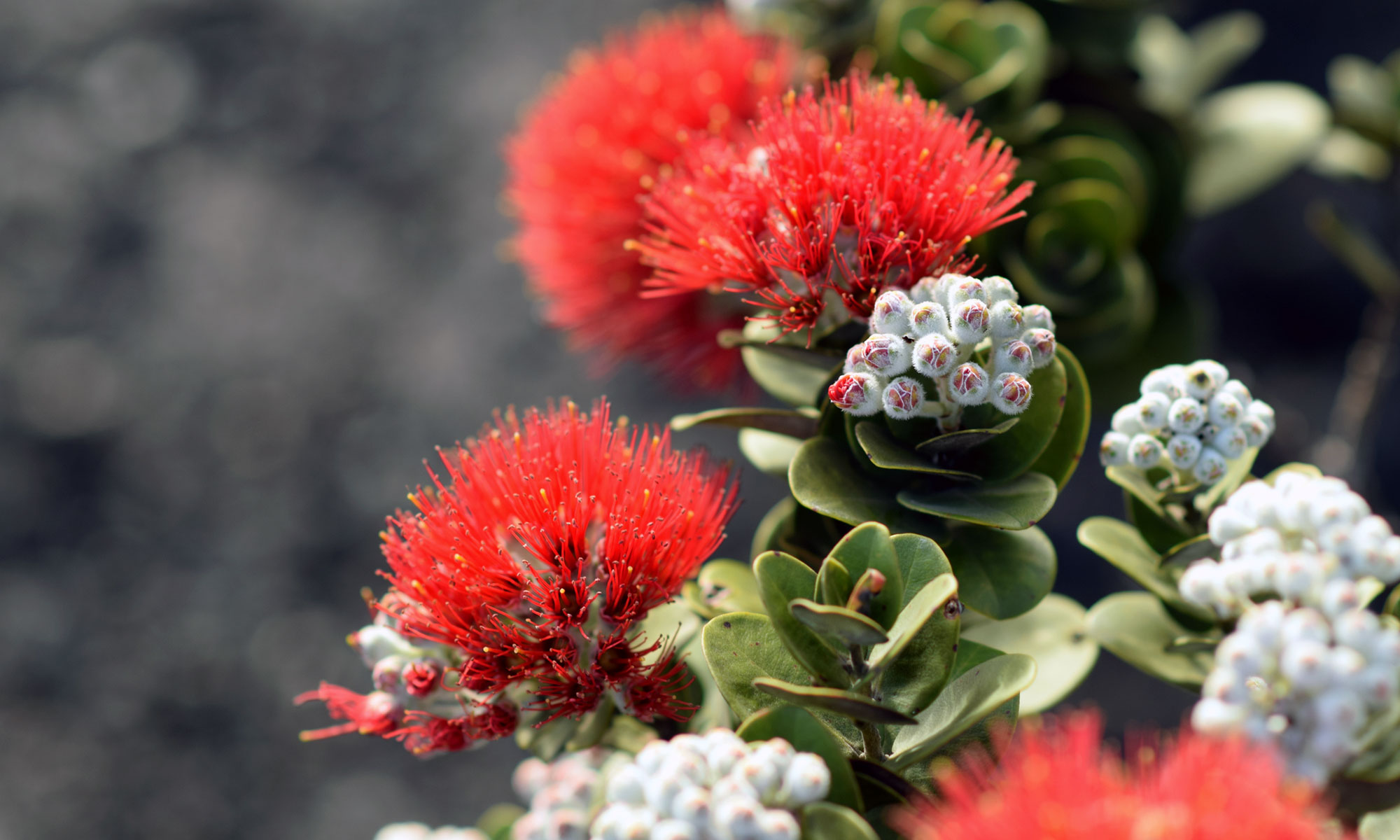
3 red ohia flowers, green buds
Ohia flowers indigenous to Hawai’i, photo credit mhgstan

A few years ago, I wrote a post about land acknowledgements. I learned a lot by researching that blog post and thinking more deeply about the practice. Since writing that post I’ve learned more about land acknowledgments, how Native Americans and Indigenous people want us non-Natives to participate in land acknowledgments, and the work we need to do to not be askholes.

It isn’t about the land acknowledgment

A land acknowledgment isn’t about the words we say, it is about recognizing and being in a just relationship with Native people and the land and place. It is about remembering we are guests and need to be respectful guests in other people’s homes. Being a guest means learning how to be a respectful guest, including learning whose home you’re entering. As an example, if you visit someone’s house you probably know the name of the person you’re visiting. Same here you should know the name of the ancestral land who you’re visiting.

The land acknowledgement is a moment to slow down and to acknowledge our Native relations.

Understand Context

Making a land acknowledgement is dipping into politics. In learning about the history of whose land you’re on and how the boundaries and boarders were drawn shows a history of migration, forced migration, politics, and colonization. Understanding this history also shows how complicated it can be in making a land acknowledgement. There isn’t always agreement on which tribes should be named when making an acknowledgement. As a non-Native person understanding this context is important to ensuring hurt, erasure, or more damage isn’t done.

If you’re a non-Native person, be thoughtful before asking a Native person to write or advise you on your land acknowledgement. Asking a Native person to advise you or write your land acknowledgment is asking for unpaid labor. It also puts them into awkward spots of having to decide who to name and not-name in the statement. Do your own work before consulting with Native people about a land acknowledgement.

If you are asking a Native person who’s land you’ll be on to speak at an event, they may prefer to do a welcome to their land and land education. They already acknowledge their land and a welcome may be more appropriate.

Land Education

For many Native people they would prefer we as non-Native people learn about their land – land education. That learning should be deep and meaningful, not a passive one-time reading of a prepared statement or even reciting who’s land we are on. It is about learning how they view and value their land, learning about their relationship with the place, nature, and geography.

This can also include learning about unceded land. A colleague showed me a map of her people’s traditional lands versus where their tribal nation lands are today. I was struck by how her traditional lands followed the waterways and were very fluid, the reservation map of today had straight lines and did not follow the river.

As I mentioned in my previous blog post on land acknowledgments, reading the treaties between the tribal nations and the US government is one place to start. Also read a lot of books by Native authors, especially authors from your area. If you need book suggestions, check out previous book lists on the blog.

Final Thoughts

I offer these thoughts as a non-Native person living on Native lands and working to stay educated and to be in more justice based relationships with diverse Native people. I cannot speak and will not speak for Native people. Please do your work of learning directly from Native people in your own community. Listen to them, learn respectfully, and be a good partner in learning.


Thank you to our Patreon subscribers. At this time I don’t offer ‘extras’ or bonuses for Patreons. I blog after working a full-time job, volunteer and family commitments thus it is hard to find time to create more content. Whatever level you are comfortable giving pays for back-end costs, research costs, supporting other POC efforts, etc. If your financial situation changes please make this one of the first things you turn-off — you can still access the same content and when/if you can re-subscribe I’ll appreciate it.

Adrienne, Aimie, Alayna, Alessandra, Alexa, Aline, Alison FP, Alison P, Allison, Amanda, Amber, Amira, Amy, Amy K, Amy P, Amy R, Andie, Andrea J, Andrea JB, Andy, Angelica, Ashlie, Ashlie B., Barb, Barbara, Barrett, Beth, Betsy, Big Duck, Brad, Brenda, Bridget, Brooke B, Brooke DW, Cadence, Caitlin, Calandra, Callista, Cari, Carmen, Carolyn, Carrie B, Carrie C, Carrie S, Catherine, Cathy & David, Chelsea, Christina C, Clara, Clark, Clark G., Courtney, Dan, dana, Danielle, Danya, Debbie, Debbie S., Dede, DeEtta, Denyse, Dennis, Dennis F, Diane, Don, Ed, Edith, Eileen, Elizabeth, Emily, Erica J, Erin, Frances, Gene, Genita, Hannah, Hayden, Heidi and Laura, Heidi, Hilary, J Elizabeth, Jaime, Jake, James, Jane, Janet, Jelena, Jen C, Jen E, Jen H, Jena, Jenn, Jennet, Jennifer, Jess, Jessica F, Jessica G, Jillian, John, Jon, Julia, Juliet, June, Karen, Kate, Kathryn, Katie O, Kawai, Kelly, Kiki, Kimberly, Kyla, LA Progressive, Laura, Laura B, Lauren, Leslie, Linda M, Lisa C, Lisa P-W, Lisa S, Liz, Lola, Lori, Lyn, Maegan, Maggie, Maile, Maki, Marc, Mareeha, Marilee, Matthew, Maura, Melissa, Melody, Michael, Mickey, Migee, Mike, Mindy, Misha, Molly, Nat, Nicole, paola, Peggy, PMM, Porsche, Rachel, Raquel, Rebecca, Robin, Ryan, Sally, Sally P., Sandra, Sarah B, Sarah D, Sarah H, Sarah KB, Sarah R, Sarah S, Sarita, Selma, Sharon B, Sharon Y, Shaun, Shawna, Siobhan, Steph, Stephanie, Stephanie J-T, Steve, Su, Sue, Sue C D, T Wang, Tamara, Tania DSA, Tania TD, Tara, tash, Teddi, Tim, Tracy TG, Venu, virginia, Vivian, Wan-Lin, Ward, Wendy, and Zan

Thank you for subscribing. Please check fakequity.com for the most up-to-date version of the post. I often make grammatical and stylistic corrections after the first publishing which shows up in your inbox. To subscribe — on the right sidebar (desktop version) is a subscribe box. To see what I’m reading and recommended books check out the Fakequity Bookshop. I am an affiliate of Bookshop.org where your purchases support local bookstores. I earn a small commission if you click through and make a purchase. The commission goes into purchasing books by POC authors or about disabilities to donate to high-poverty public schools.

Network Weaving + Power Sharing

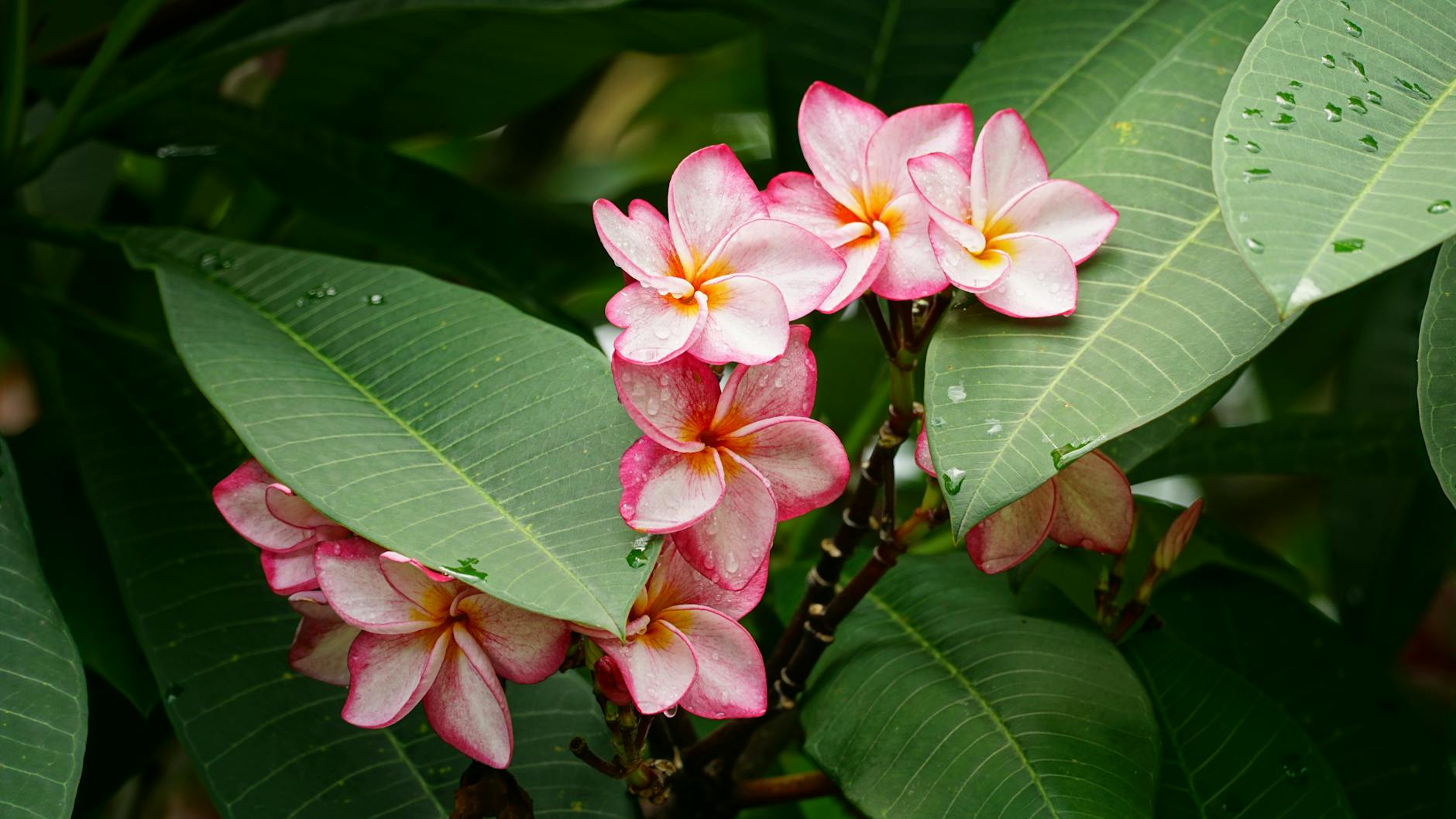
Picture of a row of pink edged plumeria with a yellow starburst in the center of the flower, growing on a plumeria tree with green leaves around and raindrops scattered. Photo by Duy Le Duc on Pexels.com

Earlier this week I attended the Alliance for Education’s Community Conversation fundraiser. It was great to settle in and listen to a very talented panel of colleagues talking about collective impact. Collective Impact is a way of working around five principles a shared agenda, using data, reinforcing activities, communications, and a backbone organization to keep the work moving forward.  

The panelist shared their thoughts on working in collective impact efforts within the education space. I got excited hearing the panel talk about network building. In my past work I did a lot of network gathering and building — I miss that work.

Network Weaving

My kids often get annoyed when I invite them to join me at events or to run errands. They groan and say “But you’re going to run into someone you know,” which then leads to talking, and a quick errand isn’t a quick outing. It is true and that is part of the power of network weaving.

Over the years I’ve met a lot of people. Through meeting these people we’ve worked together to build a network of people who can support each other. We’ve worked towards common goals, shared information and resources, and created mutually reinforcing and trusted relationships. My goal was clear the network is there to support students of color, and I expected the network to share this common goal. How you did your work was up to you, but you better not work against the goal.

Occasionally, someone with extra letters after their name, PhD, CEO, etc. would ask me what my “theory of change” was. Depending on how code-switch-y I had to be I would sometimes make up a theory of change or a theory of action – “we work to blah, blah, blah.” But really my only theory was if we built a strong diverse netowrk, focused on racial equity, where members and partners knew each other and respected each other, we would be all right. The network would take care of problems, and we could make things better in big and smaller ways. I still believe this.

Power Sharing

My latest iteration in thinking about network building is we need to expand the scope beyond just building networks. The networks need to talk about and intentionally recognize different forms of power. Working to leverage those power bases is important for the common goal. How different would our networks be if we leveraged the power of everyone involved?

In thinking about power sharing how would our networks operate differently if we acknowledged all of the different forms of power in the room? Here are some examples:

  • Funding – who has access to it and how can they share it or at the least acknowledge their funding wealth
  • Political power – including political power within communities of color and informal political power (not electeds, respected community leaders)
  • Community power
  • Language – there is power in how we use different forms of language
  • Mobilization power
  • Historical knowledge power
  • Youth power
  • Technology access
  • Resources – who has access to space/storage, materials, food/water, etc.

These different forms of power bases are worth talking about and acknowledging can be shared, hoarded, gatekept, or used in different ways. When we talk about it and work towards sharing power within the network, we can find different results quicker and more sustainably.

It is time to push our networks to think and behave differently. Networks are not clubs. By acknowledging and leveling power dynamics we can push them to work more equitably and model for the overall system new ways of working.


Thank you to our Patreon subscribers. At this time I don’t offer ‘extras’ or bonuses for Patreons. I blog after working a full-time job, volunteer and family commitments thus it is hard to find time to create more content. Whatever level you are comfortable giving pays for back-end costs, research costs, supporting other POC efforts, etc. If your financial situation changes please make this one of the first things you turn-off — you can still access the same content and when/if you can re-subscribe I’ll appreciate it.

Adrienne, Aimie, Alayna, Alessandra, Alexa, Aline, Alison FP, Alison P, Allison, Amanda, Amber, Amira, Amy, Amy K, Amy P, Amy R, Andie, Andrea J, Andrea JB, Andy, Angelica, Ashlie, Ashlie B., Barb, Barbara, Barrett, Beth, Betsy, Big Duck, Brad, Brenda, Bridget, Brooke B, Brooke DW, Cadence, Caitlin, Calandra, Callista, Cari, Carmen, Carolyn, Carrie B, Carrie C, Carrie S, Catherine, Cathy & David, Chelsea, Christina C, Clara, Clark, Clark G., Courtney, Dan, dana, Danielle, Danya, Debbie, Debbie S., Dede, DeEtta, Denyse, Dennis, Dennis F, Diane, Don, Ed, Edith, Eileen, Elizabeth, Emily, Erica J, Erin, Frances, Gene, Genita, Hannah, Hayden, Heidi and Laura, Heidi, Hilary, J Elizabeth, Jaime, Jake, James, Jane, Janet, Jelena, Jen C, Jen E, Jen H, Jena, Jenn, Jennet, Jennifer, Jess, Jessica F, Jessica G, Jillian, John, Jon, Julia, Juliet, June, Karen, Kate, Kathryn, Katie O, Kawai, Kelly, Kiki, Kimberly, Kyla, LA Progressive, Laura, Laura B, Lauren, Leslie, Linda M, Lisa C, Lisa P-W, Lisa S, Liz, Lola, Lori, Lyn, Maegan, Maggie, Maile, Maki, Marc, Mareeha, Marilee, Matthew, Maura, Melissa, Melody, Michael, Mickey, Migee, Mike, Mindy, Misha, Molly, Nat, Nicole, paola, Peggy, PMM, Porsche, Rachel, Raquel, Rebecca, Robin, Ryan, Sally, Sally P., Sandra, Sarah B, Sarah D, Sarah H, Sarah KB, Sarah R, Sarah S, Sarita, Selma, Sharon B, Sharon Y, Shaun, Shawna, Siobhan, Steph, Stephanie, Stephanie J-T, Steve, Su, Sue, Sue C D, T Wang, Tamara, Tania DSA, Tania TD, Tara, tash, Teddi, Tim, Tracy TG, Venu, virginia, Vivian, Wan-Lin, Ward, Wendy, and Zan

Thank you for subscribing. Please check fakequity.com for the most up-to-date version of the post. I often make grammatical and stylistic corrections after the first publishing which shows up in your inbox. To subscribe — on the right sidebar (desktop version) is a subscribe box. To see what I’m reading and recommended books check out the Fakequity Bookshop. I am an affiliate of Bookshop.org where your purchases support local bookstores. I earn a small commission if you click through and make a purchase. The commission goes into purchasing books by POC authors or about disabilities to donate to high-poverty public schools.

Fall Books

It’s time for another book list. I’m excited to share more books that I enjoyed this summer or books I’m excited about.

Summer reading

During the summer I read a wide variety of books. Many of them were audiobooks to take advantage of reading while walking the dog or driving solo. Some books I enjoy more on audio than eyeball reading. Fiction and narratives are especially enjoyable to me in audio format; something to do with my working memory.

I also took advantage of reading in different places. I attended my first silent reading party and loved it. There is something about collective reading and being in a space where the collective quiet forced/encouraged/pressured me to read. I got through a wonderful book of poetry at the event. I hope you find a group reading session of your own. It was also fun to catch up with friends and trade titles.

I hope you find some ways to grow your reading community, preferably with a lot of nods towards diversity and inclusion.

Poetry

I don’t read a lot of poetry, but chugged through several books of poetry this summer. I’m glad I did, they were SOOOO good. Åmot is the Chamoru word for “medicine.” This book of poetry explores what medicine means to the Guam community and how that relationship is changing as climate change and 21st century influences come to the Pacific Island.

I read How to Love a Country once before, but it wasn’t until this reading that I really absorbed it. I downloaded the book to fulfill a spot on my Seattle Arts & Lecture and Seattle Public Library book bingo and I’m glad I was ‘forced’ to read out of my comfort zone. I read this alongside On Tyranny, and the two books were opposites, but made me think about democracy and how we can participate in democracy differently. (On Tyranny is written by a white male. My including it is not a wholehearted recommendation since I use this space to promote authors or illustrators of color.)

After reading How to Love a Country, which is about how Richard Blanco wrote his inaugural poem, I went down a rabbit hole of exploring other presidential poets. Of course I re-read Amanda Gorman’s The Hill We Climb, and on the to read list is Elizabeth Alexander’s Trayvon Generation.

Memoirs

Summer belongs to the WNBA. If you’re not watching WNBA you should be. Brittney Griner’s memoir, Coming Home, about her life and time spent in a Russian prison camp was heartbreaking. It also shed light on the pay inequality between women and men athletes and hostages around the world.

I absolutely LOVED Susan Lieu’s audio version of her memoir The Manicurist Daughter. I’ve shared her book in previous blog posts, but sharing it again because I finally listened to the audiobook and it didn’t disappoint. Susan’s journey to understand her mother’s death, her body positive messages, and her narration brought out all the feels. I highly recommend her book.

Amy Tan’s The Backyard Bird Chronicles was the perfect lighthearted read while on vacation. I carried the paper copy of her book traipsing through airports because the Kindle version wouldn’t do. Tan’s illustrations of birds coupled with her diary like entries of the birds in her backyard makes this a fun and entertaining read.

Young Adult and Children’s

When Clouds Touch Us was a perfect summer book. At times sad, other times humorous the prose and poetry shares how a young Hà, a Vietnamese refugee, navigates Alabama. While this book is a sequel, it can stand on its own. I plan on reading Inside Out and Back Again soon, the first book in this two-part series.

I picked up this children’s picture book, Daughter of the Light-Footed People: The Story of Indigenous Marathon Champion Lorena Ramírez, from the library and was sucked into learning more. After reading the book I spent a good 30 min reading more about Lorena Ramírez online. I hope you do the same.

Too Much: My Great Big Native Family is real sweet talk about family life – the good, the complicated, and belonging to a big family.

What are you reading? Send me your recommendations.


Thank you to our Patreon subscribers. At this time I don’t offer ‘extras’ or bonuses for Patreons. I blog after working a full-time job, volunteer and family commitments thus it is hard to find time to create more content. Whatever level you are comfortable giving pays for back-end costs, research costs, supporting other POC efforts, etc. If your financial situation changes please make this one of the first things you turn-off — you can still access the same content and when/if you can re-subscribe I’ll appreciate it.

Adrienne, Aimie, Alayna, Alessandra, Alexa, Aline, Alison FP, Alison P, Allison, Amanda, Amber, Amira, Amy, Amy K, Amy P, Amy R, Andie, Andrea J, Andrea JB, Andy, Angelica, Ashlie, Ashlie B., Barb, Barbara, Barrett, Beth, Betsy, Big Duck, Brad, Brenda, Bridget, Brooke B, Brooke DW, Cadence, Caitlin, Calandra, Callista, Cari, Carmen, Carolyn, Carrie B, Carrie C, Carrie S, Catherine, Cathy & David, Chelsea, Christina C, Clara, Clark, Clark G., Courtney, Dan, dana, Danielle, Danya, Debbie, Debbie S., Dede, DeEtta, Denyse, Dennis, Dennis F, Diane, Don, Ed, Edith, Eileen, Elizabeth, Emily, Erica J, Erin, Frances, Gene, Genita, Hannah, Hayden, Heidi and Laura, Heidi, Hilary, J Elizabeth, Jaime, Jake, James, Jane, Janet, Jelena, Jen C, Jen E, Jen H, Jena, Jenn, Jennet, Jennifer, Jess, Jessica F, Jessica G, Jillian, John, Jon, Julia, Juliet, June, Karen, Kate, Kathryn, Katie O, Kawai, Kelly, Kiki, Kimberly, Kyla, LA Progressive, Laura, Lauren, Leslie, Linda M, Lisa C, Lisa P-W, Lisa S, Liz, Lola, Lori, Lyn, Maegan, Maggie, Maile, Maki, Marc, Mareeha, Marilee, Matthew, Maura, Melissa, Melody, Michael, Mickey, Migee, Mike, Mindy, Misha, Molly, Nat, Nicole, paola, Peggy, PMM, Porsche, Rachel, Raquel, Rebecca, Robin, Ryan, Sally, Sally P., Sandra, Sarah B, Sarah D, Sarah H, Sarah KB, Sarah R, Sarah S, Sarita, Selma, Sharon B, Sharon Y, Shaun, Shawna, Siobhan, Steph, Stephanie, Stephanie J-T, Steve, Su, Sue, Sue C D, T Wang, Tamara, Tania DSA, Tania TD, Tara, tash, Teddi, Tim, Tracy TG, Venu, virginia, Vivian, Wan-Lin, Ward, Wendy, and Zan

Thank you for subscribing. Please check fakequity.com for the most up-to-date version of the post. I often make grammatical and stylistic corrections after the first publishing which shows up in your inbox. To subscribe — on the right sidebar (desktop version) is a subscribe box. To see what I’m reading and recommended books check out the Fakequity Bookshop. I am an affiliate of Bookshop.org where your purchases support local bookstores. I earn a small commission if you click through and make a purchase. The commission goes into purchasing books by POC authors or about disabilities to donate to high-poverty public schools.

Democracy

Artwork from Amplifer art — Defend Truth, by Sheperd Farley

No blog post until August, September (ha, wrong month on the first writing). I’m taking a short end of summer break from writing.

I’m in full summer reading mode. It’s been glorious exploring a wide range of books – many chosen without a lot of thought. Several of the books and a few articles dealt with democracy, citizenship (not in the legal sense), and love for community. One of the unifying themes is America is imperfect, but even in that beautiful imperfection worth defending.  

“All of us as vital as the one light we move through”

That line comes from Richard Blanco’s inaugural poem One Today, which he wrote and read during President Obama’s inauguration. As a Cuban Latino, gay man, he wrote about everyday America and the people in it. In his book How to Love a Country, where he shares how he wrote the One Today poem, he wrote “I had come to think of the poem as a mirror… the mirror catching a reflection of his or her own life blurred with the poet’s life.” He hit on one of the central themes of how to make democracy alive. Democracy requires us to reflect on our own lives, but also to blur our lives with others. The blurring means we are in spaces with other people, preferably people who are different than us so we can grow our civic capacity and tolerance for differences.

Defend Institutions

In the book On Tyranny by Timothy Snyder (white male author – every once in a while I read white dude authors) he argues we need to defend our institutions. Defending institutions means defending them for the diversity in America. When we allow our institutions become the tools of the elite few and to serve just their purposes, we are allowing public institutions to practice a form of colonization.

Some may say that allowing institutions to practice ‘wokeism’ or to work to expand protection to protected classes (e.g. LGBTQ, veterans, etc.) is exclusionary. It isn’t. It is a way of saying these institutions belong to all of us, if we don’t name it and explicitly practice inclusion the institution will default to at a minimum othering behavior or outright exclusion. We need to push public institutions to do what they were created for – serve people, inclusive of the diversity of our communities.

It is easy to see how many of our institutions are losing this purpose of serving people first. Book bans at libraries, abortion bans mean medical institutions can no longer perform reproductive care for women, calling media fake news, and so on. These small erosions of what makes our institutions legitimate and ‘of the people’ leads to privatization, which leads to ess public accountability, stratification of services (the elites who can afford to buy their way in/out versus everyone else), and overall less trust in government and what it stands for.

Vote

The 2024 general election is coming up soon, 80-something days away. Defend your right to vote by voting. Help someone else vote, and if they can’t then encourage them to defend the democracy they partake in, in some way.

Here are a few practical ways to engage:

  • Read the news – read diverse print media about the election.
  • Defend an institution by asking questions and forcing people to answer – be polite and kind, but ask the questions.
  • Register to vote, and/or help someone register to vote
  • If you’re already registered, have a plan to vote – how will you get to the polling station, how will you deliver your ballot, etc.
  • Talk to someone else about democracy and how you’re participating in it. As an example earlier this week I was talking to a colleague about boards I had served on and mentioned the Washington State Budget & Policy Center. He hadn’t heard of it so I said, “They do tax policy, it’s the best!” he joked back “Got it. Erin – taxes!” We then talked about how fun it is to nerd out about tax policy.

Books and Articles to read


Thank you to our Patreon subscribers. At this time I don’t offer ‘extras’ or bonuses for Patreons. I blog after working a full-time job, volunteer and family commitments thus it is hard to find time to create more content. Whatever level you are comfortable giving pays for back-end costs, research costs, supporting other POC efforts, etc. If your financial situation changes please make this one of the first things you turn-off — you can still access the same content and when/if you can re-subscribe I’ll appreciate it.

Adrienne, Aimie, Alayna, Alessandra, Alexa, Aline, Alison FP, Alison P, Allison, Amanda, Amber, Amira, Amy, Amy K, Amy P, Amy R, Andie, Andrea J, Andrea JB, Andy, Angelica, Ashlie, Ashlie B., Barb, Barbara, Barrett, Beth, Betsy, Big Duck, Brad, Brenda, Bridget, Brooke B, Brooke DW, Cadence, Caitlin, Calandra, Callista, Cari, Carmen, Carolyn, Carrie B, Carrie C, Carrie S, Catherine, Cathy & David, Chelsea, Christina C, Clara, Clark, Clark G., Courtney, Dan, dana, Danielle, Danya, Debbie, Debbie S., Dede, DeEtta, Denyse, Dennis, Dennis F, Diane, Don, Ed, Edith, Eileen, Elizabeth, Emily, Erica J, Erin, Frances, Gene, Genita, Hannah, Hayden, Heidi and Laura, Heidi, Hilary, J Elizabeth, Jaime, Jake, James, Jane, Janet, Jelena, Jen C, Jen E, Jen H, Jena, Jenn, Jennet, Jennifer, Jess, Jessica F, Jessica G, Jillian, John, Jon, Julia, Juliet, June, Karen, Kate, Kathryn, Katie O, Kawai, Kelly, Kiki, Kimberly, Kyla, LA Progressive, Laura, Lauren, Leslie, Linda M, Lisa C, Lisa P-W, Lisa S, Liz, Lola, Lori, Lyn, Maegan, Maggie, Maile, Maki, Marc, Mareeha, Marilee, Matthew, Maura, Melissa, Melody, Michael, Mickey, Migee, Mike, Mindy, Misha, Molly, Nat, Nicole, paola, Peggy, PMM, Porsche, Rachel, Raquel, Rebecca, Robin, Ryan, Sally, Sally P., Sandra, Sarah B, Sarah D, Sarah H, Sarah KB, Sarah R, Sarah S, Sarita, Selma, Sharon B, Sharon Y, Shaun, Shawna, Siobhan, Steph, Stephanie, Stephanie J-T, Steve, Su, Sue, Sue C D, T Wang, Tamara, Tania DSA, Tania TD, Tara, tash, Teddi, Tim, Tracy TG, Venu, virginia, Vivian, Wan-Lin, Ward, Wendy, and Zan

Thank you for subscribing. Please check fakequity.com for the most up-to-date version of the post. I often make grammatical and stylistic corrections after the first publishing which shows up in your inbox. To subscribe — on the right sidebar (desktop version) is a subscribe box. To see what I’m reading and recommended books check out the Fakequity Bookshop. I am an affiliate of Bookshop.org where your purchases support local bookstores. I earn a small commission if you click through and make a purchase. The commission goes into purchasing books by POC authors or about disabilities to donate to high-poverty public schools.