Now is the Time to Start Planning for the Next Disaster – 33 Questions

Raise your hand if you’re exhausted from this disaster. My hand is raised high. We’re in the middle of something challenging and we don’t know when it will end. How y’all holding up? If you need to stop reading to go take care of yourself or someone else please take time to do that. We need to take care of ourselves.
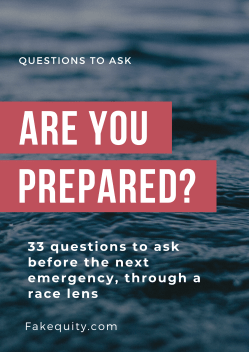
20200403_002531_0000

Image: Are You Prepared, 33 questions to ask before the next emergency through, a race lens. Water background w/ red banner text

In conversations with colleagues throughout the week, I’ve been trying to press upon others that we as nonprofits do a good job of responding to emergencies. It is our jam – we see a need and we’re the first ones to jump in to say, “We got this.” It is what we are doing with COVID19. When schools closed, nonprofit partners were on the front lines of asking “how do we get kids fed?” “how do we organize to help?”

While we are still in the middle of this current long extended crisis, I think we need to start planning for the next crisis. It might seem overwhelming to think about the next crisis and if you aren’t in a place to do that, don’t worry – stop reading and go watch Kim’s Convenience Store on Netflix. Save this post for when you’re ready.

The Next Emergency

We know there will be another crisis. An earthquake or hurricane will sweep through, wildfires will happen, a recession will happen (maybe sooner rather than later), a flu epidemic, etc. As a community, we will respond, but the question is can we respond smarter, more compassionately, and with stronger attention to racial equity. Now is the time to start shoring up our fraying systems to do better. Some of the questions directly address race, some don’t but I hope you’ll still consider the racial implications of all of them.

33 Questions to Prep for the Future, or now:

  1. Who do you trust at this moment? Why do you trust them?
  2. Who trust you right now? Why? (Think about race, class, language, disability, geography, etc.)
  3. Who do you need to build stronger more trusting relationships with for the future?
  4. Who’s basic needs are at risk of not being met because of an emergency, demographics of this group? Do they have your trust?
  5. What communication systems are in place to reach out to people who may need something from you?
  6. Have you invested in multiple forms of communication tools to be able to reach staff, clients, etc.?
  7. Where do you share information? Is it accessible to those who need to reach those most vulnerable?
  8. Does your team know how to reach each other in various forms of communication?
  9. Who has access to your social-media channels to share information? What languages do they speak?
  10. Do you know how families and clients like to receive communication (it may not be social media or technology-based).
  11. Can you reach your non-English speaking clients and staff easily?
  12. Can you communicate with your families who do not have technology access? Do you know who they are without them showing up at your school, center(s), or organization’s physical location?
  13. Should a family/client become displaced because of a natural disaster or economic circumstances, can you still find them and communicate with them during a recovery phase? Is there trust between you and the family where they would reach out to ask for help?
  14. Have you invested in translation services and captioning services?
  15. Who has access to technology? What are the demographics of this group?
  16. Who is paying for their tech access out of pocket versus company/organization sponsored?
  17. When have you last invested in technology update and upgrades? Is it evenly distributed across the organization?
  18. Who is working in public facing jobs? What is the plan for them when work stoppages during the next emergency – can they continue to be compensated? What are the demographics of this group?
  19. Where is sensitive client and staff information stored? Can you access it without physically going to the office?
  20. Who has access to sensitive client information? What barriers can be reduced to make sure people can reach those who need them in an emergency?
  21. Have you asked your funders how they plan on helping in emergencies? What are their plans?
  22. How can funders, including government contracts, be reworked to respond to emergencies?
  23. If you are a funder, what are you doing to invest in planning and response for future emergencies? How are community of color organizations included in this planning and funding response? Community of color organizations are often the first to respond to their own communities, and often the most underfunded to begin with.
  24. How are you practicing transparency before and during an emergency and recovery phase?
  25. If you are distributing resources, how are you being transparent with the process? Is it a community of color (including from recipients) informed process?
  26. Have you looked at your race and ethnicity client and staff data in choosing how to respond to COVID19 and other emergencies? It is easy to respond, it is harder to slow down and think through how to respond with race and ethnicity data but your response will be better.
  27. Stress test your processes, a.k.a. practice. Take a day to practice working remotely before an emergency (h/t James L. for this one). If you identify needs during the stress test, spend organizational resources (i.e. money) to remediate the problems, don’t put the burden on employees or clients.
  28. Do tabletop exercises asking what would happen if an emergency happens, what is the chain of communication to reach people. What are the lines of succession if one person can’t be reached?
  29. Multiple people within an organization should have relationships with communities of color, are those relationship in place?
  30. Invite partners, especially partners who work with communities of color, into these planning conversations.
  31. When was the last time your office practiced a fire, earthquake, storm drill? Do you know how to communicate with guest and clients who may be in the building but don’t speak English or may have a disability that makes it harder to understand instructions or physically navigate the office?
  32. How will you take care of the most vulnerable – kids, elders, disabled? What conversations are you having with them so their needs are known and to help them retain autonomy and self-determination during an emergency?
  33. How will you take care of yourself so you can take care of others?
  34. BONUS – Does your office have an ongoing adequate supply of toilet paper, cleaning supplies, and snacks? Always have good snacks, and remember you need to rotate the snacks so feed people during those prep meetings.

This is a starter list, I could go on, but I will stop here. If you have questions to add, please email fakequity@gmail.com so I can track them and possibly add them to a future list.

Be safe and stay home.


Thank you to our Patreon subscribers who help to keep the blog going and ad-free: Abby, Adrienne, Aimie, Alessandra, Ali, Aline, Alissa, Amber, Amy, Amy R., Andrea, Andrea J.B., Angie, Angelica, Anh-Chi, Annie, Annie G., Ashlie, Barb, Ben, Betsy, Brooke, Brooke B., Brian, C+C, Caitlin, Calandra, Cadence, Carmen, Carolyn C., Carolyn M., Carrie, Carrie S., Casey, Chandra, Chelsea, Chicxs Happy Brownies, Christine, Claudia, Cierra, Clara, Clark, Colleen, Colleen K-S, Colleen L., Crystal, Dan, Daniel, Danielle, Danya, Darcie, Dawnnesha, Dean, Debbie (x2), Denise, Denyse, Dick, Donald, Ed, Edith, Elena, Elizabeth, emily, Erica (2), Erica R.B., Erin, Evan, eve, Freedom, Greg, Hannah, Heather, Heidi, Heidi and Laura, Heidi S., Jake, Jaime, Janis, Jean, Jena, Jennet, Jennifer C., Jennifer M.x2, Jennifer T., Jessa, Jessica, Jessica F., Jessica G., Jessie, Jillian, Jody, John, Jon, Julia, Julie Anne, K.T., Kari, Karen, Katheryn, Kathi, Katie, Keisha, Kelli, Kellie, Kellie H., Keshia, Kimberly, Krista, Kristen, Kristen C., Kristen D., Kumar, Laura, Laurel, Lauren, Laurie, Laurie K., Leah, Lisa, Lisa C., Liz, Lori, Lynn, Lynn D., Maile, Maka, Makeba, Marc, Maria, Mary, Matthew, Maura, McKenzie, Megan, Melissa, Michael, Michelle, Mikaela, Mike, Milo, Minesh, Miranda, Miriam, Misha, Molly, Natasha, Nathan, Nathan H. (x2), Nicole, Norah, Norrie, Paola, Patrick, PMM, Priya, Rachel, Rebecca, Risa, Rise Up for Students, Robin, Ruby, Sarah, Sarah S., Seam, Sean, SEJE Consulting, Shannon, Shaun, Shawna, Shelby, Siobhan, Stephen, Stephanie, Stephanie O., Stephanie S., Susan, Tana, Tania, Tania T.-D,,Tara, Terri, Tracy, Vivian, and Yvette. If I missed anyone my apologies and thank you for your support. Support the blog by becoming a Patreon supporter.

If you subscribe to the blog, thank you. Please check fakequity.com for the most up to date version of the post. We often make grammatical and stylistic corrections after the first publishing which shows up in your inbox. Please subscribe, the sign-up box on the right sidebar (desktop version).
When Non-Disabled People Get Accommodations, Who Benefits? Things to Think About as We Work Remotely

By Carrie Basas and Erin Okuno

20200326_234650_0000

Laptop on white background with text: Disability Justice Things to Think About As We Work Remotely

Settle in folx, this is a long post, filled with a lot of important information. Read it, then file it so you can refer back to the tips in it as needed over the next few weeks of COVID19 stay-at-home mandates continue.


Many people across the country and globe are now working remotely. Organizations such as ours are working from home to limit the spread of COVID19. Carrie’s team has telecommuted for three years. Almost overnight, we’ve seen other organizations move to Zoom video meetings, conference calls, webinars, Facebook Live, and other tools to replace in-person meetings and to allow for social distancing (everyone stay at home).

What has been as an unreasonable accommodation for disabled people is now a reasonable accommodation for non-disabled people as stay at home orders are mandated and people juggle students out of school, wellness needs, and retaining their income. Are we all in this together now– disabled and non-disabled people thriving and embracing new flexibility for now and potentially after we’ve emerged from our COVID19 bunkers? With these changes, we must keep access justice centered for disabled people while also recognizing the mobile work is a privilege still for many disabled and nondisabled people, particularly those in underpaid roles.

Disabled people, now thirty years after the Americans with Disabilities Act, are largely unemployed and living at or below the poverty line. Less than 21% of disabled people are engaged in paid work compared to almost 70% of nondisabled people. This experience is compounded for multiply marginalized and oppressed disabled people, such as those who are BIPOC, LGBTQ, migrant, immigrant, or refugee. Stigma, social isolation, transportation inaccessibility, undereducation of disabled students, and other factors have prevented economic stability for disabled people. For many of them, workplace flexibility is a way to mitigate societal access barriers while preserving energy, attending to healthcare needs, and sharing their talents, yet employers have long feared diminished productivity and loss of control. For too long denying access to working remotely has been a gatekeeper to keep disabled people from being hired or retained. When the world returns to more “normality,” we have to ask ourselves what will we learn and what groundwork are we laying to include people with disabilities in the workforce, and how can we all be allies in working towards disability justice and equity.

In moving into this flexibility for nondisabled people, we need to recognize the ways in which our actions include or exclude disabled people. This list is not an exhaustive list; it is structured by disability categories, but many disabled people have multiple health and access needs. The considerations below aren’t just for COVID19 responses. They should become our new practices. We also note, many of these accommodations rely on technology and internet connectivity. The burdens of acquiring these tools should be on the employer, not the individual.

Deaf and Hard of Hearing (HOH) Access

Video calls, Facebook Live, and other online meeting spaces are often not accessible to Deaf and often HOH people. Deaf people who have American Sign Language (ASL) interpreters with them in their physical workspaces might not have the same support now while working from home, for example.

What can you do to hire ASL interpreters or provide remote real-time captioning (called remote CART)? Have you encouraged people to speak clearly and keep their faces visible so that others can see their expressions to increase understanding and access? Please also remember some HOH people, especially elders feeling the stigma of ageism, are not out (haven’t shared/disclosed) at work about their access needs. They might sit closer to the presenter when gathered in a physical space but now, that’s an impossible form of self-accommodation. For these online meetings, be sure to remove as many background sounds as possible by asking people to mute themselves. If a cute baby or puppy crosses the screen, take a break to acknowledge that moment of happiness but get the others typing during meetings to mute themselves. And remember that everyone should be using a mic. If people on your team need headphones to hear, offer to place an order and have it shipped to their house.

What about those amazing videos you are creating now? Make sure you are captioning them, too. Don’t rely on YouTube’s captions or PowerPoint’s new features. Both are often laughable at best. Captioning isn’t that expensive. It can be as cheap as $1/minute to hire a professional. Just Google away or ask us offline for folks we’ve used; we aren’t getting kickbacks from referrals. The same access goes for providing transcripts of your podcasts. While your desire to do captions or transcripts in-house comes from a good place, remember that it takes a lot of time if you’re not trained in it, which means that you might end up generating something with lots of mistakes or not doing it at all.

I’m [Erin] guilty of this. As my organization moved to online meetings, I’ve had to take a crash course on how to get our recordings online and captioned. Carrie and my (Erin) staff helped us figure it out. It wasn’t hard but it did take staff time. Mindy, on my team, took the time to figure it out. She authenticated our YouTube account and fixed the captioning. Next time we’ll use a remote CART service for captioning. Dedicate staff time and money to this, pay for what matters. As an example, since we’re not meeting in person right now our food budget will be unspent, I’ll be making the case to our funders to reallocate dollars toward this and other needs now.

Blind or Low Vision Access

People with vision impairments need access, too. As presentations are moving online please keep in mind sensory and vision access. Recently, Erin checked in with a colleague who is visually impaired. I (Erin) asked if there was anything we could do as we plan for an upcoming online presentation. She said, “Today’s slide deck [referencing a call we had been on] were great. I thought, did they know I was coming? LOL.” This was a good reminder to me to use big simple fonts, uncluttered backgrounds, contrasting colors for graphs and slides.

PowerPoint has accessible templates and an accessibility checker to help you improve your practices such as by providing alt text and image descriptions. Remember to share slides in advance. Some Blind or low vision folks prefer to receive a document that just has the slide text rather than the whole PowerPoint. As with any access need, ask and be open. Many people, especially people with communication, processing, or sensory needs, appreciate time to preview the material.

Make sure that you are audio-describing your slides. Rather than whizzing past the funny picture of a wall of canned goods in the background– to which everyone else on the team laughs– narrate what images look like with enough detail to give Blind or low vision people the same experience as people who can see it. The same goes for your pre-recorded videos. If you’d like to watch examples of videos with audio description and captioning, check out these student storytelling videos.

Physical Access

Disabled people with mobility impairments or other physical access needs due to pain, chronic conditions, autoimmune disorders, and other experiences might appreciate being able to set up their home workspace to be more comfortable, but they also might be missing vital software such as voice dictation (also valuable to other disabled people, such as Blind folks, and nondisabled people), ergonomic chairs and desks, personal care attendants, and office support for physical tasks that they are now trying to perform at home. They, like other disabled people, might be stuck inside and concerned about safe access to groceries, pharmacies, and transportation.

Remember, too, that this time is especially fatiguing. Rather than swinging toward a culture of enforced hyper-productivity, acknowledge that now more than ever, disabled and nondisabled people need breaks. Provide breathing room and see what equipment or other assistance you can move from the physical office space to home.

Mental Health Access

Individual and collective mental health are challenged more than ever yet most workplaces still stigmatize mental health. Employees who were unable to share their experiences before this crisis are not more likely to seek support now if others are talking about “how crazy” they are feeling or “worrying about going postal” without social contact. Open the windows and doors to employee assistance programs, low-cost community-based and culturally responsive mental health services (with more needed), flexible scheduling to accommodate teletherapy or other supports such as pharmacy visits, and welcoming conversations about how employees are seen and valued for all that they bring. What we can learn is that there is no “normal” right now and that it is not a productive concept before or after this crisis. Rather, our emotional well-being is just as important as our physical health.

Also, provide flextime to allow people to take care of their mental health. Employees may need to shift appointments (e.g. therapist, support groups, etc.) due to COVID19 and social distancing. Many have had to reschedule or reorganize to keep providing services but through social distancing.

Cognitive Access

For disabled people with developmental or intellectual disabilities, training programs, job coaches, and other supports might not be available at this time– making them even more financially precarious. Others working in lower-paid hourly jobs such as grocery stores, cleaning, hospitals, and hospitality are at the front lines of exposure to COVID19. As organizations, we have opportunities to ensure that our communications are clear and reach all members of our communities– from disabled people to linguistically diverse communities. How do your processes respect individual choice and decision-making when others process information differently?

Realize that disabled people welcome you to this wonderful world of accommodations but many of us are struggling with feeling vulnerable, especially as others hoard food and medical supplies and we read articles about how doctors are ranking the value of lives to give treatment to the most healthy and valued— which means non-disabled, working, and younger. The social isolation that we felt before is magnified as public transportation becomes risky, doctors cancel appointments, and friends stop visiting for good reasons. We are staying home not just for us but also because we know how intertwined and interdependent we all are. Now, nondisabled people have opportunities to learn new ways of supporting people at work. When we are all able to dust off our desks and refresh the office snacks, hold onto what it meant to have your needs met at work– and keep extending that grace toward others.

Resources:

Rooted in Rights’ Resources:


Guest blogger: Carrie Basas works in education advocacy and formerly in civil rights law, specializing in disabilities rights. Formerly she was a law professor impressing upon law students the importance of understanding race and its impact on people. Carrie has a MEd in Education Policy, Organizations and Leadership from the University of Washington. She earned a Juris Doctorate from Harvard Law School and an Honors B.A. in Psychology with a minor in Sociology/Anthropology from Swarthmore College. However, her biggest claim to fame is her fashion weekend wear while hanging with her family and dog.


Thank you to our Patreon subscribers who help to keep the blog going and ad-free: Abby, Adrienne, Aimie, Alessandra, Ali, Aline, Alissa, Amber, Amy, Amy R., Andrea, Andrea J.B., Angie, Angelica, Anh-Chi, Annie, Annie G., Ashlie, Barb, Ben, Betsy, Brooke, Brooke B., Brian, C+C, Caitlin, Calandra, Cadence, Carmen, Carolyn C., Carolyn M., Carrie, Carrie S., Casey, Chandra, Chelsea, Chicxs Happy Brownies, Christine, Claudia, Cierra, Clara, Clark, Colleen, Colleen K-S, Colleen L., Crystal, Dan, Daniel, Danielle, Danya, Darcie, Dawnnesha, Dean, Debbie (x2), Denise, Denyse, Dick, Donald, Ed, Edith, Elena, emily, Erica (2), Erica R.B., Erin, Evan, eve, Freedom, Greg, Hannah, Heather, Heidi, Heidi and Laura, Heidi S., Jake, Jaime, Janis, Jean, Jena, Jennet, Jennifer C., Jennifer M.x2, Jennifer T., Jessa, Jessica, Jessica G., Jessie, Jillian, Jody, John, Jon, Julia, Julie Anne, K.T., Kari, Karen, Katheryn, Kathi, Katie, Keisha, Kelli, Kellie, Kellie H., Keshia, Kimberly, Krista, Kristen, Kristen C., Kristen D., Kumar, Laura, Laurel, Lauren, Laurie, Laurie K., Leah, Lisa, Lisa C., Liz, Lori, Lynn, Lynn D., Maile, Maka, Makeba, Marc, Maria, Mary, Matthew, Maura, McKenzie, Megan, Melissa, Michael, Michelle, Mikaela, Mike, Milo, Minesh, Miranda, Miriam, Misha, Molly, Natasha, Nathan, Nathan H. (x2), Nicole, Norah, Norrie, Paola, Patrick, PMM, Priya, Rachel, Rebecca, Risa, Rise Up for Students, Robin, Ruby, Sarah, Sarah S., Seam, Sean, SEJE Consulting, Shannon, Shaun, Shawna, Shelby, Siobhan, Stephen, Stephanie, Stephanie O., Stephanie S., Susan, Tana, Tania, Tania T.-D,,Tara, Terri, Tracy, Vivian, and Yvette. If I missed anyone my apologies and thank you for your support. Support the blog by becoming a Patreon supporter.

If you subscribe to the blog, thank you. Please check fakequity.com for the most up to date version of the post. We often make grammatical and stylistic corrections after the first publishing which shows up in your inbox. Please subscribe, the sign-up box on the right sidebar (desktop version).

White People – We Need You to Get Yourselves Together

20180412_235337

Picture of a tree and a log at a serene lake. Photo credit Erin Okuno

Editor’s Note: Persian New Year, Nowruz, is on Friday, 20 March. A new day. Happy Nowruz.


We’re in a global pandemic – coronavirus, aka COVID19. We’ll survive this, but how we do is up to how we behave. White people, I need you to get yourselves together. In the past few days, I’ve seen people come together, and I’ve also experienced and heard from friends and colleagues of ugly behavior coming out. Now is not the time to check that white supremacy and figure out how to be better community members. We will need to think in the collective interest to get through this as unscathed as possible.

What we’re seeing isn’t new. It may feel new because many of us haven’t experienced the shut down of society on this level. Some of us remember 9/11, our grandparents or great grandparents may remember the Flu of 1918, and other country changing events. These disruptions bring out good, but they also show where white supremacy, bigotry, and hate come through.

White people, you don’t have all the answers

COVID19 is happening quickly and changes are coming rapidly. With every new development, people are quick to give an opinion or feel like they must comment. You don’t have to say something just because you can. It is ok to sit back and follow others at times.

You also don’t have to tell others what to do. Resist that urge, please do. The other day I took my kids to a lake to get a little fresh air. An older white lady yelled at my kids to stop throwing rocks into the lake because they were scaring the ducks. It wasn’t her place to do so – the ducks were fine. I told her to stop and mind her own business, to which she gave me a look of “really you’re telling me what to do?” This interaction ruined our outing. She might do this everyday, but because of COVID19 and social distancing, I think we’re all more sensitive and need to remember to behave accordingly. If she had minded her own business and held her opinion to herself and resisted the urge to show off her whiteness we could have had a nice afternoon.

We are all trying to be helpful and find our roles to play in the new reality. Right now isn’t the time to make it about you and being the center of attention. Communities of color are also organizing. Many community leaders are hearing directly from families about what they need – food, money for utilities, jobs, and rent. These emerging needs are hard to deal with and we will need white allies to step in and help – our leaders of color need to be the ones directing it. They have the trust of their communities and know how to lead. Also, don’t make busy work for us. If your organization is still running or has remote staff, let them lead – don’t make busy work thinking you are doing it on behalf of serving the public.

Round up your own people

Right now would be a great time for white people to call in their own people. A Taiwanese American friend told me about being in an elevator with an older white couple. The man kept patting his pocket and giving him a weird look. My friend stood on the side to give the couple space. The man muttered “Chinese virus,” the same phrase Trump used when talking about Coronavirus. The blatant racism needs to be called out by other white people. The person saying Chinese virus to my friend probably said it to others who didn’t call him out for his racism. My friend didn’t want to escalate the situation so he let the comment slide, who knows what was in the pocket he was patting.

Along with rounding up people, can we also encourage everyone, pocs as well, to stop gathering and visiting with people. Now is the time to hunker down and stay home. Today I took my kid for a walk, we avoided people on the walk, but still saw so many others who were gathering with friends. I know people who are hit by this virus and it is nasty, do your part by staying home. Read all of those books by authors of color you’ve been meaning to read, listen to this list of podcast by people of color, get into a Korean drama (Heidi has many recommendations), please stay home.

While I’m on the topic of staying home, please stay out of Hawaii. It annoys me so much to read how people are seeing this as a vacation and flying to Hawaii (or other places) because all of a sudden their kids are out of school, they can work remotely, and airfares are cheap. Really, do you want to be the asshole who takes this virus somewhere else? That is peak privilege to say because you can, you will do something. Stay home for the social good — think about the collective before yourselves.


Thank you to our Patreon subscribers who help to keep the blog going and ad-free: Abby, Adrienne, Aimie, Alessandra, Ali, Aline, Alissa, Amber, Amy, Amy R., Andrea, Andrea J.B., Angie, Angelica, Anh-Chi, Annie, Annie G., Ashlie, Barb, Ben, Betsy, Brooke, Brooke B., Brian, C+C, Caitlin, Calandra, Cadence, Carmen, Carolyn C., Carolyn M., Carrie, Carrie S., Casey, Chandra, Chelsea, Chicxs Happy Brownies, Christine, Claudia, Cierra, Clara, Clark, Colleen, Colleen K-S, Colleen L., Crystal, Dan, Daniel, Danielle, Danya, Darcie, Dawnnesha, Dean, Debbie (x2), Denise, Denyse, Dick, Donald, Ed, Edith, Elena, emily, Erica (2), Erica R.B., Erin, Evan, eve, Freedom, Greg, Hannah, Heather, Heidi, Heidi and Laura, Heidi S., Jake, Jaime, Janis, Jean, Jena, Jennet, Jennifer C., Jennifer M., Jennifer T., Jessa, Jessica, Jessica G., Jessie, Jillian, Jody, John, Jon, Julia, Julie Anne, K.T., Kari, Karen, Katheryn, Kathi, Katie, Keisha, Kelli, Kellie, Kellie H., Keshia, Kimberly, Krista, Kristen, Kristen C., Kristen D., Kumar, Laura, Laurel, Lauren, Laurie, Laurie K., Leah, Lisa, Lisa C., Liz, Lori, Lynn, Lynn D., Maile, Maka, Makeba, Marc, Maria, Mary, Matthew, Maura, McKenzie, Megan, Melissa, Michael, Michelle, Mikaela, Mike, Milo, Minesh, Miranda, Miriam, Misha, Molly, Natasha, Nathan, Nathan H. (x2), Nicole, Norah, Norrie, Paola, Patrick, PMM, Priya, Rachel, Rebecca, Risa, Rise Up for Students, Robin, Ruby, Sarah, Sarah S., Seam, Sean, SEJE Consulting, Shannon, Shaun, Shawna, Shelby, Siobhan, Stephen, Stephanie, Stephanie O., Stephanie S., Susan, Tana, Tania, Tania T.-D,,Tara, Terri, Tracy, Vivian, and Yvette. If I missed anyone my apologies and thank you for your support. Support the blog by becoming a Patreon supporter.

If you subscribe to the blog, thank you. Please check fakequity.com for the most up to date version of the post. We often make grammatical and stylistic corrections after the first publishing which shows up in your inbox. Please subscribe, the sign-up box on the right sidebar (desktop version).

Reading for Pride & Justice 2020

20200312_225231_0000Birthday Book Drive 2020

It has been a doozy of a week. COVID-19, aka coronavirus, has tested our humanity, resolve, and resources. Many of us are working remotely, school is out for six weeks in parts of Washington, and many are concerned for friends and family. I have no new words to offer about the present situation, except to say take care of each other and yourselves.

What I will share this week is the 2020 Birthday Book Drive, Reading for Pride & Justice. Last year my friend Carrie and I decided to celebrate our February birthdays by hosting a book drive. A third grader wrote in their thank you card to us we’re doing it all wrong — we’re supposed to get gifts on our birthday. The kid was thankful we birthday-ed wrong and loved the books. While it is traditional to get gifts for one’s birthday, we decided we didn’t need gifts for ourselves and instead asked our friends to share books by poc authors or about disabilities to donate to several public schools in our community. Our friends and family are wonderful and donated over 170 books, that went to two high schools and three elementary schools in South Seattle.

Why Reading for Pride & Justice – Why Books?

This year Carrie and I came up with a theme to help make this year’s book drive a little different and to focus the book selection a little differently than last year. We landed on a theme of Changemakers and looked for titles along these lines for our wishlist. The changemaker theme allowed us to focus some of the books and ensure we were digging deeper into finding new titles to share with schools.

Books by authors of color and books about disabilities are important “mirrors and windows” for children to learn about the world around them with compassion, empathy, and understanding. The books in my kid’s school library are well-loved and many of the popular titles, especially the graphic novels, are held together with tape and the spines so frayed the titles are impossible to read. There are also some poc authored books or books about disabilities, but it takes hunting to find them. By donating more quality books by pocs and about disabilities we want to increase the odds that students will find themselves in the books, or their teachers will have a new resource to teach with.

This year we worked to make sure many of the titles on our wishlist would be appealing to kids. We requested a lot of graphic novels by authors of color or about disabilities; these are often gateway books for many readers. We wanted to make sure we donated books kids would want to read, not academic books that would just sit on shelves unread. We aimed for diversity in race and ethnicity, disabilities, language, etc. For the books about disabilities, we prioritized first-person narratives, nothing that perpetuates inspiration porn, and we avoided books about death.

Image may contain: 5 people, text

A thank you tweet

A special thank you to our friends, colleagues, supporters, and family who donated to the book drive. We are so lucky to have you in our community and your generosity to this project makes it special. When we delivered the books to schools everyone we met ohhhed and ahhed over the books. Hands immediately went into the crates of books and people were pulling them out to see what was in there. Becca, a friend and second/third-grade teacher, said she didn’t even get a chance to shelve the books since her third-graders saw the books and started reading them.

We’re sharing the booklist so you can help to find new titles to read. Order these from your favorite POC bookseller, independent bookstore, request them from the library, and make library purchase suggestions if they don’t have it in the catalog. Most of all, share them with young people in your life.

2020 Reading For Pride & Justice Book List

Title Author Category (Notations are my best guess)
Lead From the Outside Abrams, Stacey POC – African American/Black
The Poet X Acevedo, Elizabeth POC – Latinx
One Person No Vote Anderson, Carol POC
We Are Not Yet Equal Anderson, Carol POC
Dear America Antonio Vargas, Jose POC – Latinx
She Came to Slay Armstrong Dunbar POC – African American
Never Caught the Story of Ona Judge, YA Edition Armstrong Dunbar, Erica and Kathleen van Celeve POC – African American/Black
Sosu’s Call Asare, Meshack POC / Disability
Brazen Bagieu, Penelope POC
El Deafo* Bell, Cece Disability
Super Sorda, El Deafo (Spanish) Bell, Cece Disability
Courage to Soar Biles, Simone POC – African American/Black
Emergent Strategy brown, adrienne marie POC
The Pretty One Brown, Keah Disability / POC – Black
A Splash of Red: The Life and Art of Horace Pippin Bryant, Jen Disability
Laughing at my Nightmare Burcaw, Shane Disability
I Am Enough* Byers, Grace POC – Black / African American
72 Hour Hold Campbell, Bebe Moore POC – Black/ African American, Disability
When the Beat was Born, DJ Kool Herc And the Creation of Hip Hop Carrick Hill, Laban POC – Black
Pashmina Chanani, Nidhi POC
We Gon’ Be Alright – Notes on Race and Resegregation* Chang, Jeff POC – Asian / Pacific Islander
Freedom Soup Charles, Tami POC
Major Taylor Cline-Ransome, Lesa POC – African American
The Water Dancer Coates, Ta-Nehisi POC – African American/Black
The Truth as told by Mason Buttle Connor, Leslie Disability
Eloquent Rage Cooper, Brittney POC – African American/Black
Firebird Copeland, Misty POC – African American/Black
Misty Copeland, Life in Motion – Young Readers Edition Copeland, Misty POC – Black / African American
Harriet Tubman, Demon Slayer I & II Crownson, David POC – African American/Black
Claire of the Sea Light Danticat, Edwidge POC
The Labyrinth’s Archivist: A Broken Cities Novella Day, Al-Mohamed Disability
The Day Abuelo Got Lost de Anda, Diane Disability
Mixed Me Diggs, Taye POC – African American
Never Caught the Story of Ona Judge, YA Edition Dunbar, Erica POC
An Indigenous Peoples’ History of the United States Dunbar-Ortiz, Roxanne POC – Native American
Geek Love Dunn, Katherine Disability
Milo’s Museum Elliott, Zetta POC – African American/Black
Freshwater Emezi, Akwaeke POC – Black
Jasmine Toguchi, Mochi Queen* Florence, Debbi Michiko POC – Asian
Jasmine Toguchi, Flamingo Keeper* Florence, Debbi Michiko POC – Asian
Like a Mother* Garbes, Angela POC – Filipinx
Rooted in the Earth Glave, Dianne POC – African American/Black
Macy McMillan and the Rainbow Goddess Green, Shari Disability
Real Friends Hale, Shaonnon Disability
Autobiography of Malcolm X Haley, Alex POC – African American/Black
The Truths We Hold Harris, Kamala POC
New Power Heimans, Jeremy and Henry Timms
Imagine Herrera, Juan Felipe POC – Latinx
The Reason I Jump Higashida, Naoki POC – Asian / Disability – Autism
Como Pez En El Arbol Hunt, Lynda Mullaly Disability
(Don’t) Call me Crazy, 33 Voices

start the conversation about mental health

Jensen, Kelly Disability
Remember Balloons Jessie Oliveros, Dana Wulfekotte Disability
The Magical Monkey King Mischief in Heaven Ji-Li Jiang POC – Asian
The Parker Inheritance Johnson, Varian POC – African American / Black
How to be an Antiracist Kendi, Ibram X. POC – African American/Black
Amina’s Voice Khan, Hena POC – Middle Eastern
Golden Domes and Silver Lanterns – A Muslim Book of Colors* Khan, Hena POC – Muslim
when they call you a terrorist – a black lives matter memoir Khan-Cullors, Patrisse and Asha Bandele POC – African American/Black
Amulet* Kibuishi, Kazu POC – Asian
Miracle Creek Kim, Angie POC
Braiding Sweetgrass* Kimmerer, Robin Wall POC – Native American
Go Show the World, a Celebration of Indigenous Heroes Kinew, Wab POC – Native American
Inside Out & Back Again Lai, Thanhha POC
Bridge of Flowers* Lakshimi Piepzna-Samarashinha, Leah POC – Disability (This is from a micro-press with tons of wonderful titles)
Green Lantern – Legacy* Lê, Minh POC -Asian (First ever Asian Green Lantern)
March 1, 2, 3* Lewis, John POC – African American
The Year of the Dog Lin, Grace POC – Asian
When Adrian Became a Brother* Lukoff POC illustrator / LGBTQ
Ten Ways not to Commit Suicide McDaniels, Darryl POC – African American/Black, Disability
Merci Suarez Changes Gears Medina, Meg POC – Latinx
Where Are You From Mendez, Ymile Saied POC – Latinx
Redefining Realness Mock, Janet POC – African American/Black
Sick Kids in Love Moskowitz, Hannah Disability
The Proudest Blue Muhammad, Ibtihaj POC – Muslim
Proud, Living my American Dream Muhammad, Ibtihaj POC – Muslim
Fish in a Tree Mullaly Hunt, Lynda Disability
A is for Activist Nagara, Innosanto POC
Counting on Community Nagara, Innosanto POC
We Should All Be Feminists Ngozi Adichie, Chimamanda POC – Black
Sulwe Nyong’o, Lupita POC – African American/Black
Becoming* Obama, Michelle POC – African American/Black
Shuri, Black Panther Okorafor, Nnedi POC – African American/Black
The Remembering Balloons* Oliveros, Jessie Disability
So You Want to Talk About Race Oluo, Ijeoma POC – African American/Black
There There Orange, Tommy POC – Native American
Anger is a Gift Oshiro, Mark Disability
The Witch Boy Ostertag, Molly Knox
Hawking Ottaviani, Jim Disability
Wonder & 365 Days of Wonder Palacio, Disability
The Astonishing Color of Afer Pan, Emily, X.R. POC – Asian
Nya’s Long Walk — A Step at a Time Park, Linda Sue POC — Asian / Black / Immigrant
A Single Shard Park, Linda Sue POC – Asian, Korean / Disability
Parachute Parker, Danny and Matt Ottley Disability – Anxiety
A Different Pond* Phi, Bao POC – Asian
Patina Reynolds, Jason POC – African American
As Brave as You Reynolds, Jason POC – African American/Black
Jake Makes a world, Jacob Lawrence, a Young Artist in Harlem* Rhodes-Pitt, Sharifa POC – African American/Black
Juliet Takes a Breath Rivera, Gabby POC – Latinx
M is for Melanin* Rose, Tiffany POC – Black / African American
Japanese Children’s Favorite Stories Sakade, Florence POC – Asian
Gang of Four* Santos, Bob and Gary Iwamoto POC – Cross racial
You Failed Us Savage, Azure POC
Tea with Milk Say, Allen POC – Asian
Silent Days, Silent Dreams Say, Allen Disability
American Journal Smith, Tracy K. POC – Black
Pasando páginas Sotomayor, Sonia POC – Latinx
My Beloved World Sotomayor, Sonia POC – Latinx
Just Mercy, YA edition Stevenson, Bryan POC – African American/Black
Chicken with Plums Strapi, Marjane POC – Middle East
Yayoi Kusama From Here to Eternity Suzuki, Sarah POC – Asian / Disability
They Called Us Enemy* Takei, George POC – Asian
The Opposite of Fate Tam, Amy POC – Asian
I Love My Hair Tarpley, Natasha Anastasia POC – African American/Black
Guts Telgemeier, Raina Disability – anxiety
Ghosts* Telgemier, Raina Disability
Baby Sitters Club – The Truth about Stacey Telgemier, Raina Disability – Diabetes
My First 50 Tigringna Words* Tesfamariam, Elinor K. POC – Black
The Hate You Give Thomas, Angie POC – African American
Down These Mean Streets Thomas, Piri POC – Latinx
How I Became a Ghost Tingle, Tim POC – Native American
Stone River Crossing* Tingle, Tim POC – Native American
Separate is Never Equal Tonatiuh, Duncan POC – Latinx
Ojichan’s Gift* Uegaki, Chieri and Genevieve Simms POC- Asian, Disability – memory loss, aging
Trickster* Various authors POC – Native American
My Fate According to the Butterfly Villanueva, Gail D. POC – Asian Filipinx
Magic Ramen, the story of Momofuku Ando* Wang, Andrea POC – Asian
Stargazing Wang, Jen POC – Asian, Disability
Other Words for Home Warga, Jasmine POC
We Speak for Ourselves Watkins, D. POC – African American/Black
Voice of Freedom, Fannie Lou Hamer (Note: It has the n-word and b-word in it) Weatherford, Carole Boston POC – African American/Black
Home for Chinese New Year: A Story Told in English and Chinese* Wei Jie, Xu Can POC – Asian, bilingual
The Collected Schizophrenias Weijun Wang, Esme Disability / POC
Red at the Bone Woodson, Jacqueline POC – African American/Black
Malala, My Story of Standing Up for Girls Rights Yousafzai, Malala POC – Muslim
I am Malala Yousafzai, Malala POC – Muslim
Malala’s Magic Pencil* Yousafzai, Malala POC – Muslim
Yasmin in Charge* Faruqi, Saadia POC – Muslim
Krip Hop Disability
Animals — Braille Disability / bilingual (Braille)

*Erin’s recommendation

Thank you to everyone who supported the project:

Thank you Erica, Elinor, Ubax, Stacy, Makeba, Kristina, Tracy, Sherri, Paola, LouAnn, Rebekah, Chandra, Brooke, Sarah B., Hassan, Fred, Debra, Rose, Stephanie, Selma, Equity Matters, Heidi, Tina, Maggie, Leslie, Dan B., Renee, Hannah, Jon, Stefanie, emily, CiKeithia, Ryan, Ivan, and Emi.


Thank you to our Patreon subscribers who help to keep the blog going and ad-free: Abby, Adrienne, Aimie, Alessandra, Ali, Aline, Alissa, Amber, Amy, Amy R., Andrea, Andrea J.B., Angie, Angelica, Anh-Chi, Annie, Annie G., Ashlie, Barb, Ben, Betsy, Brooke, Brooke B., Brian, C+C, Caitlin, Calandra, Cadence, Carmen, Carolyn C., Carolyn M., Carrie, Carrie S., Casey, Chandra, Chelsea, Chicxs Happy Brownies, Christine,Claudia, Cierra, Clara, Clark, Colleen, Colleen K-S, Colleen L., Crystal, Dan, Daniel, Danielle, Danya, Darcie, Dawnnesha, Dean, Debbie (x2), Denise, Denyse, Dick, Donald, Ed, Edith, Elena, emily, Erica (2), Erica R.B., Erin, Evan, eve, Freedom, Greg, Hannah, Heather, Heidi, Heidi and Laura, Heidi S., Jake, Jaime, Janis, Jean, Jena, Jennet, Jennifer C., Jennifer M., Jennifer T., Jessa, Jessica, Jessica G., Jessie, Jillian, Jody, John, Jon, Julia, Julie Anne, K.T., Kari, Karen, Katheryn, Kathi, Katie, Keisha, Kelli, Kellie, Kellie H., Keshia, Kimberly, Krista, Kristen, Kristen C., Kristen D., Kumar, Laura, Laurel, Lauren, Laurie, Laurie K., Leah, Lisa, Lisa C., Liz, Lori, Lynn, Lynn D., Maile, Maka, Makeba, Marc, Maria, Mary, Matthew, Maura, McKenzie, Megan, Melissa, Michael, Michelle, Mikaela, Mike, Milo, Minesh, Miranda, Miriam, Misha, Molly, Natasha, Nathan, Nathan H. (x2), Nicole, Norah, Norrie, Paola, Patrick, PMM, Priya, Rachel, Rebecca, Risa, Rise Up for Students, Robin, Ruby, Sarah, Sarah S., Seam, Sean, SEJE Consulting, Shannon, Shaun, Shawna, Shelby, Siobhan, Stephen, Stephanie, Stephanie O., Stephanie S., Susan, Tana, Tania, Tania T.-D.,Tara, Terri, Tracy, Vivian, and Yvette. If I missed anyone my apologies and thank you for your support. Support the blog by becoming a Patreon supporter.

If you subscribe to the blog, thank you. Please check fakequity.com for the most up to date version of the post. We often make grammatical and stylistic corrections after the first publishing which shows up in your inbox. Please subscribe, the sign-up box on the right sidebar (desktop version).

Love in a time of Coronavirus

20200305_223945_0000This week has been a test of the notion of holding multiple truths and various forms of love. The recent news of COVID-19/coronavirus has forced many people to think hard and to consider a lot of information. Message boards are filled with threads asking for opinions. Families are having to make choices about whether to send children to school or keep them home. Organizations are considering whether to keep or cancel events, shifting services or keep them as is. All of this is mind-boggling. We make choices based on what information we have, which often feels incomplete and inadequate.
I live in the epicenter of the US outbreak, Seattle WA. The 24-hr news cycle is full of unparalleled stories – another person confirmed ill, another death, events canceled, hospitals overwhelmed, and in many cases people trying to continue to go on with life.

Even with the uncertainty love is coming through. A friend posted how she’s checking in on her parents who live a state away and asking them to prioritize their health by staying home and if they do go out just to go out for walks around the block.

Another friend shared how her father was excited to see her when she got home, but then he told her “Wait!” and then wiped her down with a disinfectant before she came into the house – extreme, albeit wet, love. My friend rolled her eyes a bit at her dad.

In other places, community love is showing up by people saying “Wait, just because it is a crisis doesn’t mean you get to bypass community input.” People are standing up to ensure justice doesn’t get trampled on despite these unprecedented times.

Educators, medical professionals, and anyone who continues to serve their community in a community capacity are showing love. They are recognizing a need to keep going despite the unknown.

Multiple Truths

The week has made me think about how we can hold multiple truths at the same time. I can recognize the outbreak is in my area, but also recognize there are many ways to be cautious, concern, but move forward. The number of infected people continues to climb and will do so since there are better testing and surveillance, and while that is scary maybe it is also a good thing since people are receiving medical care.

It is true the Chinese and Asian communities are being hit harder with the outbreak. My colleagues in the Asian and Chinese communities have reported outright racism and discrimination their clients and friends have faced. A friend who lives in New Jersey and is Korean American told me a contractor who came over to her house and asked which Chinese restaurant she liked. My friend retorted “Oh, honey chill I don’t have coronavirus, but thanks for caring.” Would he have asked that of a non-Asian, probably not — racial profiling. It is also true we need people to visit Asian owned restaurants and stores.

Business is down as more and more companies are telling their employees to work remotely, and while this is prudent for many it also means hourly workers who rely upon others having full employment will be hurt harder (e.g. baristas, event staff, restaurant staff, etc.).

These multiple truths are causing cognitive dissonence for many of us. It is scary but we can also be ok with a little scared if we show each other some compassion and love.

Who Needs More Love

We also need to consider who needs more support right now. Advice coming from public health is to encourage people over the age of 60 to limit their exposure to groups. While this may be prudent for their physical health isolation and loneliness can be dangerous for seniors. Check-in on seniors in ways that keep them physically safe, but attend to their mental health needs.

Right now, a lot of the information coming out of government agencies is in English only. If you are multi-lingual help to get accurate information out to language-based communities so they understand what is happening and how to their families safe. At the same time use your advocacy power to encourage government to translate documents and provide interpretation services. My friend James also reminded me that the groups who can get translated materials are not the ones we need to worry about, we need to really make sure we’re reaching out to the groups that are so small translators and interpreters are very hard to find – they are the ones who are often the most isolated.

Love is possible.


Thank you to our Patreon subscribers who help to keep the blog going and ad-free: Abby, Adrienne, Aimie, Alessandra, Ali, Aline, Alissa, Amber, Amy, Amy R., Andrea, Andrea J.B., Angie, Angelica, Anh-Chi, Annie, Annie G., Ashlie, Barb, Ben, Betsy, Brooke, Brooke B., Brian, C+C, Caitlin, Calandra, Cadence, Carmen, Carolyn C., Carolyn M., Carrie, Carrie S., Casey, Chandra, Chelsea, Chicxs Happy Brownies, Christine,Claudia, Cierra, Clara, Clark, Colleen, Colleen K-S, Colleen L., Crystal, Dan, Daniel, Danielle, Danya, Darcie, Dawnnesha, Dean, Debbie (x2), Denise, Denyse, Dick, Donald, Ed, Edith, Elena, emily, Erica (2), Erica R.B., Erin, Evan, eve, Freedom, Greg, Hannah, Heather, Heidi, Heidi and Laura, Heidi S., Jake, Jaime, Janis, Jean, Jena, Jennet, Jennifer C., Jennifer M., Jennifer T., Jessa, Jessica, Jessica G., Jessie, Jillian, Jody, John, Jon, Julia, Julie Anne, K.T., Kari, Karen, Katheryn, Kathi, Katie, Keisha, Kelli, Kellie, Kellie H., Keshia, Kimberly, Krista, Kristen, Kristen C., Kristen D., Kumar, Laura, Laurel, Lauren, Laurie, Laurie K., Leah, Lisa, Lisa C., Liz, Lori, Lynn, Lynn D., Maile, Maka, Makeba, Marc, Maria, Mary, Matthew, Maura, McKenzie, Megan, Melissa, Michael, Michelle, Mikaela, Mike, Milo, Minesh, Miranda, Miriam, Misha, Molly, Natasha, Nathan, Nathan H. (x2), Nicole, Norah, Norrie, Paola, Patrick, PMM, Priya, Rachel, Rebecca, Risa, Rise Up for Students, Robin, Ruby, Sarah, Sarah S., Seam, Sean, SEJE Consulting, Shannon, Shaun, Shawna, Shelby, Siobhan, Stephen, Stephanie, Stephanie O., Stephanie S., Susan, Tana, Tania, Tania T.-D.,Tara, Terri, Tracy, Vivian, and Yvette. If I missed anyone my apologies and thank you for your support. Support the blog by becoming a Patreon supporter.

If you subscribe to the blog, thank you. Please check fakequity.com for the most up to date version of the post. We often make grammatical and stylistic corrections after the first publishing which shows up in your inbox. Please subscribe, the sign-up box on the right sidebar (desktop version).


Hey Orgs, It’s Time to Get Real About Racial Equity

By CiKeithia Pugh

For Erin’s birthday I’m giving the gift of a blog post this week. Put your feet up and eat some cake, you deserve it my friend!

“Where’s the Prank?” meme

Let’s cut to the chase, lately I’ve had some moments where I think I must be on a soon to be canceled tv prank show. You know the ones where something wild is happening and everyone is in on the joke but you? The camera zooms in close to show the confusion on your face. Everyone is acting as if this is normal behavior and your brain is trying to process what is really happening. Finally, people break character and the hidden cameras come out. Surprise!

Well, that is how I would describe some recent experiences. The difference is I keep looking around for the cameras and someone to tell me this is all a joke, but it never happens. Orgs it’s time to get real about racial equity. At this point, you’ve read blogs, participated in workshops, and even purchased books to deepen your understanding so you are officially out of excuses… it is time to do the work.

Show me the money– Allocate dollars to put your commitments into action. As a reminder, if organizationally you are pointing to line items that cover translation, focus groups, and interpretation that’s access. Your money also needs to be spent in ways that address and undo systemic and historical racism in your organizations. Access is not Equity.

Be explicit and name racial equity- Be honest and say what you are doing and what you are not. I’ve seen my fair share of glossy posters, websites and position papers with race neutral language. If you are leading for racial equity, then name it. Not ready? Then wait for the community to call you out on it and you can explain your actions or lack thereof once confronted. Keep racial equity out of your mouth if it’s not happening.

Stop defaulting to BIPOC staff to be your unpaid racial equity consultants- BIPOC staff are not your consultants. Disproportionately we carry the weight of racial equity in organizations. We are expected to not only do the work and show results, but also teach our white colleagues at the same time. Racial equity is ALL our jobs.

Kill the Token Marketing Campaign- Stop putting BIPOC staff on your flyers, websites and parading us in front of crowds as evidence that racial equity is a value. Community knows we are underrepresented in the organization and most often hold no institutional/positional power to really make change. These are self-serving activities that are drain BIPOC staff and in some cases even cause harm. Remember we own our images not you.

No Superheroes Allowed– I hate to be the bearer of bad news, but if you view your work as “saving” BIPOC communities you have it all wrong. Save the cape for a future costume party. BIPOC communities will continue to do what we have always done in order to dismantle systemic racism. BIPOC communities are resilient.

What to do – It is time to put all of the training, reading, and learning into work. This isn’t a tv show with a script or even editing to find the best moments, it is real life and it is now. Get into the game and stop with the tv show pranks – you’ve got what it takes now do the real work.


Thank you to our Patreon subscribers who help to keep the blog going and ad-free: Abby, Adrienne, Aimie, Alessandra, Ali, Aline, Alissa, Amber, Amy, Amy R., Andrea, Andrea J.B., Angie, Angelica, Anh-Chi, Annie, Annie G., Ashlie, Barb, Ben, Betsy, Brooke, Brooke B., Brian, C+C, Caitlin, Calandra, Cadence, Carmen, Carolyn C., Carolyn M., Carrie, Carrie S., Casey, Chandra, Chelsea, Chicxs Happy Brownies, Christine,Claudia, Cierra, Clara, Clark, Colleen, Colleen K-S, Colleen L., Crystal, Dan, Daniel, Danielle, Danya, Darcie, Dawnnesha, Dean, Debbie (x2), Denise, Denyse, Dick, Donald, Edith, Elena, emily, Erica (2), Erica R.B., Erin, Evan, eve, Freedom, Greg, Hannah, Heather, Heidi, Heidi and Laura, Heidi S., Jake, Jaime, Janis, Jean, Jena, Jennet, Jennifer C., Jennifer M., Jennifer T., Jessa, Jessica, Jessica G., Jessie, Jillian, Jody, John, Jon, Julia, Julie Anne, K.T., Kari, Karen, Katheryn, Kathi, Katie, Keisha, Kelli, Kellie, Keshia, Kimberly, Krista, Kristen, Kristen C., Kristen D., Kumar, Laura, Laurel, Lauren, Laurie, Laurie K., Leah, Lisa, Lisa C., Liz, Lori, Lynn, Lynn D., Maile, Maka, Makeba, Marc, Maria, Mary, Matthew, Maura, McKenzie, Megan, Melissa, Michael, Michelle, Mikaela, Mike, Milo, Minesh, Miranda, Miriam, Misha, Molly, Natasha, Nathan, Nathan H. (x2), Nicole, Norah, Norrie, Paola, Patrick, PMM, Priya, Rachel, Rebecca, Risa, Rise Up for Students, Robin, Ruby, Sarah, Sarah S., Seam, Sean, SEJE Consulting, Shannon, Shaun, Shawna, Shelby, Siobhan, Stephen, Stephanie, Stephanie O., Stephanie S., Susan, Tana, Tania, Tania T.-D.,Tara, Terri, Tracy, Vivian, and Yvette. If I missed anyone my apologies and thank you for your support. Support the blog by becoming a Patreon supporter.

If you subscribe to the blog, thank you. Please check fakequity.com for the most up to date version of the post. We often make grammatical and stylistic corrections after the first publishing which shows up in your inbox. Please subscribe, the sign-up box on the right sidebar (desktop version).

White People as Individuals

Note: No blog post next week for mid-winter/mid-Feb break. Feel free to check the archives and catch up on old posts during the break. You can also visit our friends at Nonprofit AF if you want to read some other fun posts.


20180505_122617

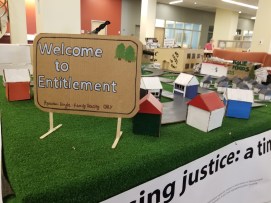
Artwork display: Welcome to Entitlement, seen at Seattle Univ, May 2018

I’ve been sitting on this topic for a few weeks. Heidi suggested it as a topic and I’ve been marinating on it. As a person of color, and especially as an Asian I’ve been socialized to think about the group and the collective. As a child in classrooms and at home the messages were: “how will this affect others?,” “what does the group want to do?”. All of these messages shaped me into the person I am today. These messages were engrained in being Asian, think about others – group needs. Don’t get me wrong, my individual needs were met and I don’t feel I sacrificed from having to think about others.

It wasn’t until I was older and moved to Seattle that I understood where individualism shows up. I currently work in education advocacy. In so many of the hot button education topics individualism shows up. People show up and say: “My kid isn’t being served because they are super smart and get bored in a regular classroom,” “My child can’t excel because of this ‘inequity’,” “I really need this…” In the advocacy world we coach and encourage people to use personal stories, stories make abstract concepts stick. Yet there is a point where this individualism isn’t good for advancing racial equity – we forget that there are many others who need more and our individual needs aren’t always the greatest inequities. Those often needing more are silent.

“The white women are very comfortable”

A few years ago, I was in sitting with CiKeithia. She leaned over to me and whispered, “The white women are very comfortable here.” A white women had just noticed a buzzing sound and interrupted the flow of the presentation mentioned it to everyone. She wasn’t obnoxious or loud about mentioning it, but she felt comfortable pointing it out to the entire meeting. The room went with it because we have been socialized to allow white people comfortable and for their needs to be prioritized. Many of the POCs noticed it as well, but we didn’t interrupt or call attention to it since it was in the background and there was a meeting going on.

A friend, who is a racial equity trainer, mentioned in her training sessions how a white person will interrupt her to ask to have the activity changed because they don’t like a piece of it. Another friend is a high school teacher and told me how one of her students informed her that he changed the assignment because he didn’t want to do it the way she assigned it. He threw a high school version of a tantrum when she said he couldn’t just make changes without checking with her first. Never mind that both of my friends, as educators carefully thought through their lesson designs and thought about how to reach the largest number of people and supporting the group. As my other friend Carrie says: “When we design for everyone, we design for no one.” These stories illustrate how people think about themselves as individuals and not seeing themselves as part of a collective with greater needs over themselves.

White culture is built upon individual accomplishments and praising the individual, and at the same time denial or separation when convenient. Recently listening to NPR I heard an interview with a voter from Iowa. Towards the end of the interview Anita, the interviewee, said “Well, I don’t think I’m racist, but, sometimes, I say the wrong thing. … But no, I don’t think I’m racist because I know too many people of different backgrounds.” What I heard was “me” and seeing herself as an individual versus associating with others who have similar beliefs – a lot of proving her individualism is important.

White people it is ok for you to be uncomfortable for a while. You don’t need everything tailored to your individual needs. You don’t need to speak in every meeting or to speak to fill silence. It is ok to be part of the collective and not fight to be seen.

As an exercise to help you notice this dynamic, the next time you listen or watch the news gauge how many stories about white people as individuals, then look at the stories about people of color and how they are portrayed. The recent news around the coronavirus is an example – the collective of Chinese people vs. the individual European or Americans (often white) who are being interviewed.

In meetings how often do white people ask for changes and what are the changes? Are POCs as comfortable speaking up and asking and suggesting changes?

At another time I’ll explore how POCs can and should be seen as individuals and not always as a group. Before I write that one though I need to practice naming my own needs as an individual – Heidi another get together soon? I need some help figuring it out. You can practice naming your needs too and then we’ll group accomodate.


Thank you to our Patreon subscribers who help to keep the blog going and ad-free: Abby, Adrienne, Aimie, Alessandra, Ali, Aline, Alissa, Amber, Amy, Amy R., Andrea, Angie, Angelica, Anh-Chi, Annie, Annie G., Ashlie, Barb, Ben, Betsy, Brooke, Brooke B., Brian, C+C, Caitlin, Calandra, Cadence, Carmen, Carolyn C., Carolyn M., Carrie, Carrie S., Casey, Chandra, Chelsea, Chicxs Happy Brownies, Claudia, Cierra, Clara, Clark, Colleen, Colleen K-S, Colleen L., Crystal, Dan, Daniel, Danielle, Danya, Darcie, Dawnnesha, Dean, Debbie (x2), Denise, Denyse, Dick, Donald, Edith, Elena, emily, Erica (2), Erica R.B., Erin, Evan, eve, Freedom, Greg, Hannah, Heather, Heidi, Heidi and Laura, Heidi S., Jake, Jaime, Janis, Jean, Jena, Jennet, Jennifer C., Jennifer M., Jennifer T., Jessa, Jessica, Jessica G., Jessie, Jillian, Jody, John, Jon, Julia, Julie Anne, K.T., Kari, Karen, Katheryn, Kathi, Katie, Keisha, Kelli, Keshia, Kimberly, Krista, Kristen, Kristen C., Kristen D., Kumar, Laura, Laurel, Lauren, Laurie, Laurie K., Leah, Lisa, Lisa C., Liz, Lori, Lynn, Lynn D., Maile, Maka, Makeba, Marc, Maria, Mary, Matthew, Maura, McKenzie, Megan, Melissa, Michael, Michelle, Mikaela, Mike, Milo, Minesh, Miranda, Miriam, Misha, Molly, Natasha, Nathan, Nathan H. (x2), Nicole, Norah, Norrie, Paola, Patrick, PMM, Priya, Rachel, Rebecca, Risa, Rise Up for Students, Robin, Ruby, Sarah, Sarah S., Seam, Sean, SEJE Consulting, Shannon, Shaun, Shawna, Shelby, Stephanie, Stephanie O., Stephanie S., Susan, Tana, Tania, Tania T.-D.,Tara, Terri, Tracy, Vivian, and Yvette. If I missed anyone my apologies and thank you for your support. Support the blog by becoming a Patreon supporter.

If you subscribe to the blog, thank you. Please check fakequity.com for the most up to date version of the post. We often make grammatical and stylistic corrections after the first publishing which shows up in your inbox. Please subscribe, the sign-up box on the right sidebar (desktop version).

Perfectionism — We Can’t Wait for Perfect

IMG_20180815_153648

Student artwork at Rainier Beach High School, 2018-2019

I was planning to write about another topic tonight, but decided to pivot after spending an evening with students at Seattle University’s Masters for Not-for-Profit Leadership program – Redhawks! My colleague and friend Jon is teaching a class on public policy. In his opening, he talked about how public policy is never race-neutral and how we need to operationalize racial equity principles and values. Through our time tonight, I threw a lot of new information at the students. I watched as they processed the new information trying to make sense of a lot of new content very quickly and reflect on what it means to them personally and professionally (apologies for overwhelming you).

As we closed Jon talked about how important it is to not let perfectionism stop us. Jon explained the aim for perfectionism, is built on racist notions of white supremacy. I’ll elaborate: white people know best, white people have the answers, white people are in charge, therefore, their answers are perfect and all-knowing, white people can solve poc problems. I also told the students this shows up as internalized oppression for pocs – we feel the pressure of having to get things perfect because we only get one chance to be heard, we have to be perfect because we represent all pocs, we have to be perfect because our elders and ancestors never got the chances we have, we have to be perfect for other pocs (group over self), etc. All of this is false, white people aren’t perfect nor should they put that on themselves, and pocs we don’t have to be perfect all the time, that is too much pressure and unachievable.

Perfectionism is a Myth

What I forgot to tell the students is perfectionism in racial equity work is a myth. There is never a perfect time, a perfect way, perfect circumstance. Racism keeps conditions chaotic as to have the upper hand. This is what racism and chaos look like:

  • Fractured communities so we don’t have the perfect coalition and conditions to work together.
  • Using one community of color or a subset of people of color to create a wedge issue and point to that group as the ‘model-minority.’
  • Saying there isn’t enough time to do something to work towards an equitable outcome.
  • Rushing a process to keep the project on-time, thus leaving out people of color who aren’t already in the know.

We can use all of these and millions of other excuses to say we shouldn’t start something, but they are just the types of excuses allowing institutional and systemic racism to prevail.

The second myth I forgot to bust is perfectionism exists in racial equity work. We ALL mess up when doing racial equity work. It is impossible to be right all the time. If you’re doing equity and justice-based work you will screw up, and that is a good thing (sort of) – it means you are engaged, learning, trying, testing boundaries, and pushing boundaries. Race is an ever-changing construct. What was ‘right’ even five years ago is now outdated thinking and terminology. There is no perfection, instead, it is important to be a learner and to learn from mistakes.

The myth of perfectionism shouldn’t stop you from trying. I’ve seen and heard many people, especially white people, refuse to engage in conversations around race because they are afraid to say the wrong thing and called out. I’ve had to sit through many awkward and frustrating conversations because the presenter felt the weight of perfectionism and therefore kept the presentation too safe, refusing to name the problems we were supposed to be talking about. Instead, they use coded language, rather than saying words such as race, Black people, white supremacy, Asian, Latinx, Native American, disabled, etc. You may say the wrong thing, but if you are open to learning and not a total jerk many people will allow you grace, if they do practice humility and acknowledge your mistake.

Normalizing imperfection

A lot of racial equity work, coalition building, and community engagement work is iterative – building from itself and correcting errors and omissions along the way. Imperfections, and correcting the imperfections as we move forward is better than not having any work done.

This isn’t an excuse for mainstream organizations and white people to plow ahead with work saying, “I have to do something and I’ll ask for forgiveness later.” As an example, I once saw a white presenter do a Native land acknowledgment that went bad. The presenter hadn’t done their homework and was reading off a pre-written script. The presenter stumbled on the Tribal Nation’s names, didn’t acknowledge several non-Federally recognized Tribes from the area, and it was clear they were making the acknowledgment for woke-points. In this case, a little more time to get the acknowledgment perfect would have been well-spent.

At the end of Jon’s class tonight, I asked everyone to pause and write down one action they can take to act on their new knowledge. One student said he would make a donation to an organization he feels advocates effectively for causes he cares about, another person said he was reaching out and checking in on colleagues who are apprehensive about a work situation, and another person said she would use her position to influence whose voices are heard in an upcoming video her organization is producing with the hopes of including more Latinx and Spanish speaking voices. These small acts are important to creating a larger change. These doing somethings may not be perfect, but they are better than doing nothing. People of color can’t wait for perfection, we need justice now.

IMG_20200206_193601

Seattle U, Pigott

Special thanks to Jon and his class for welcoming me and sparking this post. Light the nonprofit world on fire — be the change we need in the sector. Go Redhawks!


Thank you to our Patreon subscribers who help to keep the blog going and ad-free: Abby, Adrienne, Aimie, Alessandra, Ali, Aline, Alissa, Amber, Amy, Amy R., Andrea, Angie, Angelica, Anh-Chi, Annie, Annie G., Ashlie, Barb, Ben, Betsy, Brooke, Brooke B., Brian, C+C, Caitlin, Calandra, Cadence, Carmen, Carolyn C., Carolyn M., Carrie, Carrie S., Casey, Chandra, Chelsea, Chicxs Happy Brownies, Claudia, Cierra, Clark, Colleen, Colleen K-S, Colleen L., Crystal, Dan, Daniel, Danya, Darcie, Dawnnesha, Dean, Debbie (x2), Denise, Denyse, Dick, Donald, Edith, Elena, emily, Erica (2), Erica R.B., Erin, Evan, eve, Freedom, Greg, Hannah, Heather, Heidi, Heidi and Laura, Heidi S., Jake, Jaime, Janis, Jean, Jena, Jennet, Jennifer C., Jennifer M., Jennifer T., Jessa, Jessica, Jessica G., Jessie, Jillian, Jody, John, Jon, Julia, Julie Anne, K.T., Kari, Karen, Katheryn, Kathi, Katie, Keisha, Kelli, Kimberly, Krista, Kristen, Kristen C., Kristen D., Kumar, Laura, Laurel, Laurie, Leah, Lisa, Lisa C., Liz, Lori, Lynn, Lynn D., Maile, Maka, Makeba, Marc, Maria, Mary, Matthew, Maura, McKenzie, Megan, Melissa, Michael, Michelle, Mikaela, Mike, Milo, Minesh, Miranda, Miriam, Misha, Molly, Natasha, Nathan, Nathan H. (x2), Nicole, Norah, Norrie, Paola, Patrick, PMM, Priya, Rachel, Rebecca, Risa, Rise Up for Students, Robin, Ruby, Sarah, Sarah S., Seam, Sean, SEJE Consulting, Shannon, Shaun, Shawna, Shelby, Stephanie, Stephanie O., Stephanie S., Susan, Tana, Tania, Tania T.-D.,Tara, Terri, Tracy, and Vivian. If I missed anyone my apologies and thank you for your support. Support the blog by becoming a Patreon supporter.

If you subscribe to the blog, thank you. Please check fakequity.com for the most up to date version of the post. We often make grammatical and stylistic corrections after the first publishing which shows up in your inbox. Please subscribe, the sign-up box on the right sidebar (desktop version).


Advocacy Matters, But so does How We’re Treated

Editor’s note: February is Black and African American History Month. Take a moment to read and learn more about Black and African American history and voices. Here is one website: Black Youth Project. h/t Kaleb G. for sharing this website.


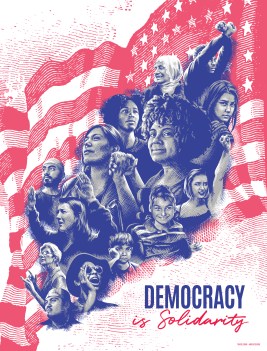
Tracie Ching_Democracy is Solidarity_19x25

Tracie Ching – Democracy is Solidarity, artwork from Amplifer Art

In my job, I spend a lot of time advocating. My advocacy doesn’t always look like traditional advocacy of being in legislative bodies, testifying, or rubbing elbows in the grand halls of the state capitol or city hall. I do this sometimes, admittedly not as much as I sometimes feel I should, but I don’t think we all need to prescribe to the same methods of advocacy that works for white people or white communities.

In our current system of advocacy loud voices that show up and repeatedly show up gain attention. This is a time-proven model in our US government. Persistence and numbers pays off. We currently know which communities benefits – privileged (I use this term loosely) communities who can afford time, resources, and voice to their causes. Who is left behind are communities furthest from justice – People of Color (POCs), people with disabilities, non-English literate/speaking, etc. The traditional systems of advocacy are not built for, designed for, nor even remotely tries to accommodate people of color.

Many POCs know how to navigate the system or we can easily learn the rules of the game. With a little reading, asking around, or watching others we can figure out how to sign up to testify, how to read bill summaries, how to reach our legislators. There are training programs that teach people how to do this, my organization even runs a successful train-the-advocate like program. But this doesn’t mean we are treated well or even heard.

Recently several friends, who are parents and seasoned advocates at the local level, decided to advocate against a Washington State bill that would privilege mostly white upper-class students. To prep for their day in Olympia (Washington’s state capitol) they did their research, I reached out to a friend who is a policy analyst and knows Olympia processes better than I do to find out how to sign in to testify, where to find the committee hearing room, and other tidbits of info. My friend even shared her cellphone number so they could text if they needed help navigating the capitol. They were set and eager to advocate.

They made the trek from Seattle to Olympia, about an hour to two hour drive, depending on traffic. The group found the room, signed in to testify, even found my friend who helped us prep. The legislators didn’t allow the public to testify, they said they ran out of time. They spent a lot of the committee meeting time hearing from other policymakers and professionals – all valid, but it was deeply disappointing for this set of parents who invested time and energy to show up. Their lived experiences and beliefs weren’t heard, they were told they could email in their testimony. They played the game and the game shut them out. Will they want to show up again in Olympia, I don’t know.

Policymakers of all sorts (this includes principals, administrators, executives, etc.) preach “come we need to hear from you,” “we want to know what you’re thinking,” those who show up get what they need, etc. Yes, AND when the game doesn’t love you back or hear you, how willing would you be to show up again and again and again if you’re constantly shut out.

Why I don’t play the advocacy game

Today over breakfast, I was telling a colleague, there are many times I refuse to ‘advocate’ or send people into advocacy situations where I know they won’t be centered, cared for, or will generally be uncomfortable. My street cred and reputation won’t last forever. There are many times I know we must be uncomfortable to create the changes. But at the same time, it is difficult for me to ask others to voluntarily put themselves into positions where they could be dismissed, have to fight to be heard, or tokenized. We need to change the way systems work to allow advocates, especially advocates of color, to be heard.

A while ago I told a friend I often decline to sit on task forces, nor will I ask people in my network to sit on most task forces. There is a predictable formula for task forces – they are over stacked with special interest (who fought to get a task force and issue raised), racial equity practices are not infused nor operationalized, and privilege takes over. I also tell people to take their expectations and lower it by 2/3, that will realistically be about what will be accomplished by the task force.

For POCs serving on mainstream task forces the burdens are even greater. We are often expected to serve as representatives of our communities and we are the token or ‘twoken’ voice of pocs. While serving on task forces is a great way to advocate for specific changes I’m not convinced it is the most effective way for pocs to make change. The current structures are not designed to support poc voices.

How to be advocates

In order to be more effective advocates, we need to change the structures and rules of engagement and bend them towards being poc friendly. A few months ago, I told a colleague-friend about my past task force experience and how I am very careful with who I suggest serve on task forces. I forgot about this conversation, but my friend was listening. When we caught up recently over a Korean deli lunch, she told me she recently put together a task force and purposefully reworked the recruitment mechanism to more fairly balance voices. She wanted to ensure poc voices would be included and to keep loud special interest groups from taking over; to achieve this she didn’t use traditional recruitment mechanisms and is testing having people apply in mix-cohort teams. By changing the system she’s creating new ways for advocates to enter the system. My advocacy without being an ‘advocate’ created a structural change – relational advocacy is important to create long term changes.

We also need our allies to realize the mainstream systems suck. Showing up and testifying for two-minutes at a board, committee, council meeting isn’t comfortable for many – nor is it a meaningful way to build dialogue and relationships. Being in relationships with communities is important. Advocacy doesn’t always have to be testifying, lobbying, or showing up at legislative bodies – these are important, but they are just one aspect of the overall advocacy arena.

Changing structures to hear more from people furthest from justice isn’t hard when you stop to think about it. It often means shifting prioritizes and saying no to certain things and yes to others.


Thank you to our Patreon subscribers who help to keep the blog going: Abby, Adrienne, Aimie, Alessandra, Ali, Aline, Alissa, Allison, Amber, Amy, Amy R., Andrea, Angie, Angelica, Anh-Chi, Annie, Annie G., Ashlie, Barb, Ben, Betsy, Brooke, Brooke B., Brian, C+C, Caitlin, Calandra, Cadence, Cari, Carmen, Carolyn C., Carolyn M., Carrie, Carrie S., Casey, Chandra, Chelsea, Chicxs Happy Brownies, Claudia, Cierra, Clark, Colleen, Colleen K-S, Colleen L., Crystal, Dan, Daniel, Danya, Darcie, Dawnnesha, Dean, Debbie (x2), Denise, Denyse, Dick, Donald, Edith, Elena, emily, Erica (2), Erica R.B., Erin, Evan, eve, Freedom, Greg, Hannah, Heather, Heidi, Heidi and Laura, Heidi S., Jake, Jaime, Janis, Jean, Jena, Jennet, Jennifer C., Jennifer M., Jennifer T., Jessa, Jessica, Jessica G., Jessie, Jillian, Jody, John, Jon, Julia, Julie Anne, K.T., Kari, Karen, Katheryn, Kathi, Katie, Keisha, Kelli, Kimberly, Krista, Kristen, Kristen C., Kristen D., Kumar, Kyla, Laura, Laurel, Laurie, Leah, Lisa, Lisa C., Liz, Lori, Lynn, Lynn D., Maile, Maka, Makeba, Marc, Maria, Mary, Matthew, Maura, McKenzie, Megan, Melissa, Michael, Michelle, Mikaela, Mike, Milo, Minesh, Miranda, Miriam, Misha, Molly, Natasha, Nathan, Nathan H. (x2), Nicole, Norah, Norrie, Paola, Patrick, PMM, Priya, Rachel, Rebecca, Reyda, Risa, Rise Up for Students, Robin, Ruby, Sarah, Sarah L., Sarah S., Sean, SEJE Consulting, Shannon, Shaun, Shawna, Shelby, Sierra, Stephanie, Stephanie O., Stephanie S., Susan, Tana, Tania, Tania T.-D.,Tara, Terri, Tracy, and Vivian. If I missed anyone my apologies and thank you for your support. Support the blog by becoming a Patreon supporter.

 If you subscribe to the blog, thank you. Please check fakequity.com for the most up to date version of the post. We often make grammatical and stylistic corrections after the first publishing which shows up in your inbox. Please subscribe, the sign-up box on the right sidebar (desktop version).

Lunar New Year – Your Fortune (un)Told

carnival-4782222_1920

Image by Vlad Vasnetsov from Pixabay

This weekend is Lunar New Year’s. Also known as Tết Nguyên Đán or shorten to Tết in Viet Nam (which I recently learned is the more correct spelling is in two words), Seollal (Korean), or Chinese New Years.

Over happy hour earlier this week Heidi said we need a funny post, or rather our friend Vu who blogs over at Nonprofit AF keeps telling us we’re too serious and need to be funnier. This week we will not be funny-funny like Vu, but we will give you your Lunar New Year’s fortunes, which are totally fake since I’m not an astrologer. The bigger point is sometimes we need friendly reminders to not take all of work seriously, culture influences the way we think, and for the Asian community Lunar New Year is a HUGE thing so enjoy it with us.

If you like this post thank Heidi for the idea, it was conceived over beer brewed by Metier, a Black-owned company. Check them out and ask for their beer at your local taphouse.

How the Zodiac kinda-sorta works

zodiac-signs-250718_1920

Image by D. Aida from Pixabay

Since it is Lunar New Year season and it is the ONE Asian-y holiday on western calendars I make sure we capitalize on it. In my house, there’s been a steady stream of Chinese New Years and Lunar New Year picture books. Colleagues have talked about where to buy red envelopes, and the superstitions we need to uphold (no haircuts, eat and be merry, go to the Temple, etc.). To learn more about Lunar New Year, check out last year’s post.

The Chinese Zodiac has 12 animals assigned to it with each animal having a year. My kid loves books talking about how the animals raced and cajoled to get their assigned order. Each animal embodies certain characteristics which are passed down to people born in those years. I’m born in the year of the horse. If you ask my parents, they say I stomp my feet when I’m mad, like a horse does. To find out what Zodiac animal you are visit here.

Rat — This is the Year of the Rat. Rats are known to be clever and funny. During this year, use your cleverness to root out inequities. Your fortune, at least according to one website says: great opportunities will come your way in 2020! However, it is entirely up to you on whether or not you take them. The best time to make a change in your life is within the first three months of the year.” Remember to use your great ‘opportunities’ to examine your privileges and use your cleverness and humor to support communities of color.

Ox — Those born in the year of the Ox attain their fortune through hard work and persistence. They are known as steadying forces when the world is in chaos, or as some would say they are stubborn and can be a killjoy. In 2020, your luck should take a turn for the better – including in love and work. Why not use this goodness to get unstuck in your thinking about race, racial equity, and other social constructs. Take your good-lovin’ and share it with your POC communities. Push your luck and call in colleagues and friends to learn more about race.

Tiger — Prowling tiger waiting to pounce. The Year of the Rat, 2020, will be a year to coast – your luck will be stable (according to the internet). Since you’ll be coasting, why not ride that wave into a new volunteer endeavor where you can build a new relationship with a community of color. Tigers are known for their humanitarian instincts. If picking up a new volunteer job is too much of a commitment, then do one kind act for another cause related to a community of color. Your luck will change by sharing your fortune with others.

Rabbit — You adorable, gracious, and good-mannered bunnies will not do well in the year of the rat. But take heart this means it is a year for you to hunker down and concentrate on you. While you are at times moody, take this moodiness and realize the world isn’t about you and learn to share with others in your community. This sharing isn’t just about material goods, which you have a natural affinity for making money, but really it is about being in a cross-racial community.

Dragon — Dragon people are as mythical and magnanimous as they sound. They are often eager and full of energy that is rarely contained. In this year of luck and fortune and being a doer by nature, fight the urge to speak for others, instead pause and listen. In your career pursuits, your instincts and feelings are often right, use this energy and no not become complacent in allowing racism to slide by. Also take some of your boundless energy and clean up your desk and room.

Snake — People born under the sign of the snake are often skeptical and a bit secretive, and ambitious. The Year of the Rat will be a good one for wealth making for snakes. If this is true for you, reinvest your wealth in communities of color – this can mean making donations to POC led and embedded organizations, shopping at POC businesses, etc. If you have decision making control within your wealth making enterprises, work to change your hiring and promotion practices to ensure POCs have a fair chance at the same wealth as prosperity as you snake people.

Horse — Ok, horse people it is time for us to buckle down and play nice. 2020 and the Year of the Rat is opposite of the horse on the zodiac. This year we need to be nice, help others, and be disciplined. As high-spirited horses, this is the year to give up all of our negative thoughts and bad habits – embrace the racial equity light and admit you don’t know everything. Learn humility in the Year of the Rat.

Sheep — This is a year of transformation. Since you are often called the good Samaritans of the zodiac and are often sincere and righteous with a bleeding heart, transform yourselves into being champions for anti-racist behaviors. Be positive and others will follow your lead, if they don’t take your rams head horns and headbutt them.

Monkey — Monkeys are known as the inventors and motivators of the Chinese zodiac. This year you will be eager to pursue change. Make sure this change is inline and motivated by a desire to work for social good and in line with your racial equity values. Use some of your energetic ways and social calendaring to support poc causes. If you are out entertaining stop by a poc owned restaurant or taphouse, don’t just swing aimlessly around hoping the right thing will find you, be thoughtful and a little playful in line with your monkey spirit.

Rooster — This will be an emotional year for you. Feelings are good when you can understand them. If you are feeling a little fragile and tender around race and social identities, take a moment to acknowledge it and find a friend to explore those feelings. Don’t let those feelings explode on a poc. Don’t puff your chest and crow like you self-assuredly know everything, be part of the flock and say “ok, it is my turn to let someone else lead while I learn.”

Dog — Likeable dog will have a good year if you are open-minded and flexible. Use your innate intelligence and honesty to learn more about others and the communities around you. Your natural tendency to guard and protect those you like is an important quality in community building. Use this to help others who may be further from justice.

Pig — Pigs will have more freedom this year and feel more productive. Take some of that productivity and freedom and channel it into feeling just a little uncomfortable, by this we mean challenge yourself to try to understand a social problem from a new angle.

Have a happy and safe lunar new year. Eat some nian gao, go to Chinatown and pick up some delicious food and watch all the dragon and lion dances. To my Asian relations – Gung he fat choy, happy Tet, and Selloal.

Thank you to our Patreon subscribers who help to keep the blog going: Abby, Adrienne, Aimie, Alessandra, Ali, Aline, Alissa, Allison, Amber, Amy, Amy R., Andrea, Angie, Angelica, Anh-Chi, Annie, Annie G., Ashlie, Barb, Ben, Betsy, Brooke, Brooke B., Brian, C+C, Caitlin, Calandra, Cadence, Cari, Carmen, Carolyn C., Carolyn M., Carrie, Carrie S., Casey, Chandra, Chelsea, Chicxs Happy Brownies, Claudia, Cierra, Clark, Colleen, Colleen K-S, Colleen L., Crystal, Dan, Daniel, Danya, Darcie, Dawnnesha, Dean, Debbie (x2), Denise, Denyse, Dick, Donald, Edith, Elena, emily, Erica (2), Erica R.B., Erin, Evan, eve, Freedom, Greg, Hannah, Heather, Heidi, Heidi and Laura, Heidi S., Jake, Jaime, Janis, Jean, Jena, Jennet, Jennifer C., Jennifer M., Jennifer T., Jessa, Jessica, Jessica G., Jessie, Jillian, Jody, John, Jon, Julia, Julie Anne, K.T., Kari, Karen, Katheryn, Kathi, Katie, Keisha, Kelli, Kimberly, Krista, Kristen, Kristen C., Kristen D., Kumar, Kyla, Laura, Laurel, Laurie, Leah, Lisa, Lisa C., Liz, Lori, Lynn, Lynn D., Maile, Maka, Makeba, Marc, Maria, Mary, Matthew, Maura, McKenzie, Megan, Melissa, Michael, Michelle, Mikaela, Mike, Milo, Minesh, Miranda, Miriam, Misha, Molly, Natasha, Nathan, Nathan H. (x2), Nicole, Norah, Norrie, Paola, Patrick, PMM, Priya, Rachel, Rebecca, Reyda, Risa, Rise Up for Students, Robin, Ruby, Sarah, Sarah L., Sarah S., Sean, SEJE Consulting, Shannon, Shaun, Shawna, Shelby, Sierra, Stephanie, Stephanie O., Stephanie S., Susan, Tana, Tania, Tania T.-D.,Tara, Terri, Tracy, and Vivian. If I missed anyone my apologies and thank you for your support. Support the blog by becoming a Patreon supporter.

 If you subscribe to the blog, thank you. Please check fakequity.com for the most up to date version of the post. We often make grammatical and stylistic corrections after the first publishing which shows up in your inbox. Please subscribe, the sign-up box on the right sidebar (desktop version).