Entitlement BINGO 2

It is time for another BINGO board. Fakequity brings you Entitlement BINGO 2. Like the original Entitlement BINGO board, this is a bit in jest and tongue-in-cheek. It is a way to poke fun at annoying things people say and do so we can recognize privilege and call it out gently, kindly, or silence it when needed.

Since the image above isn’t screen reader friendly, here is the text of what is in the boxes. If you’re confused about why the phrases are showing up on the bingo board, reflect on why it might be there and then watch to see how it shows up in groups. Self-reflection is a great way to learn and to be a better ally. For this BINGO board, I’m not going to write out why I added the terms– you all are smart enough to figure it out.

ENTITLEMENT BINGO:

Says “I’m confused…” “I don’t understand…” as a way to gain attention

Keeps their camera off during Zoom meetings so they can multitask, aka not pay attention

“[Insert group] had enough attention, what about XXX”

Continually misgenders other people

Makes the group reschedule a meeting because of their FOMO

Continually mentions their travel plans

Forwards emails with no context and expects you to understand them

Insists their idea is the only right idea

Confuses Black people for each other

Talks about how ‘diverse’ their neighborhood or workplace is

After someone tells a story, they tell their own story to bring the focus back to them

Mentions the college/club/workplace within five minutes of meeting them

If you enjoyed this BINGO board, hit that search box and type BINGO. There are other bingo boards on the blog. Enjoy.


Thank you to our Patreon subscribers. At this time I don’t offer ‘extras’ or bonuses for Patreons. I blog after working a full-time job, volunteer and family commitments thus it is hard to find time to create more content. Whatever level you are comfortable giving pays for back-end costs, research costs, supporting other POC efforts, etc. If your financial situation changes please make this one of the first things you turn-off — you can still access the same content and when/if you are able to re-subscribe I’ll appreciate it.

Adrienne, Agent001, Aimie, Alayna, Alessandra, Alessandra, Alex E, Alexa, Aline, Alison FP, Alison P, Allison, Amanda, Amber, Amira, Amy, Amy K, Amy P, Amy R, Andie, Andrea J, Andrea JB, Andy, Angelica, Angelina, Ashlie, Aya, Barb, Barbara, Barrett, Betsy, Big Duck, Brad, Brenda, Bridget, Brooke B, Brooke DW, Cadence, Caitlin, Calandra, Callista, Cari, Carmen, Carolyn, Carrie B, Carrie C, Carrie S, Catherine, Chelsea, Christa, Christina C, Christina S, Clara, Clark, Courtney, Dan, dana, Danielle, Danya, Debbie, DeEtta, Denyse, Dennis, Dennis F, Diane, Don, Ed, Edith, Edith B, Eileen, Elizabeth, Emily, Erica J, Erica RB, Erin, Gene, Genita, Hannah, Hayden, Heather H, Heather M, Heidi and Laura, Heidi, Hilary, J Elizabeth, Jaime, Jake, James, Jane, Janet, Jelena, Jen C, Jen E,  Jen H, Jena, Jenn, Jennet, Jennifer, Jess, Jessica F, Jessica G, Jillian, Jody, John, Jon, Jordan L, Jordan S, Josie, Julia, Juliet, June, Karen, Kate, Katharine, Kathryn, Katie O, Kawai, Keisha, Kelly, Kiki, Kim, Kimberly, Kyla, LA Progressive, Laura, Lauren, Leah, Leslie, Lily, Liora, Lisa C, Lisa P-W, Lisa S, Liz, Lola, Lori, Lyn, Maegan, Maggie, Maile, Maka, Maki, Marc, Mareeha, Marilee, Mark, Matthew, Maura, McKenzie, Melissa, Melody, Meredith, Michael, Mickey, Migee, Mike, Milo, Mindy, Misha, Molly, Nat, Natasha, Nicole, paola, Peggy, PMM, Porsche, Rachel, Raquel, Rebecca, Robin, Sally, Sandra, Sarah B, Sarah D, Sarah H, Sarah KB, Sarah R, Sarah S, Sarita, Selma, Sharon B, Sharon Y, Shaun, Shawna, Siobhan, Steph, Stephanie, Su, Sue, Sue C D, Susan, T Wang, Tania DSA, Tania TD, Tara, tash, Tim, Titilayo, Tracy G, Tracy TG, virginia, Vivian, Ward, Wendy, Willow, and Zan

If you subscribe to the blog, thank you. Please check fakequity.com for the most up-to-date version of the post. We often make grammatical and stylistic corrections after the first publishing which shows up in your inbox. Please subscribe, the sign-up box on the right sidebar (desktop version). To see what Erin is reading and recommended books check out the Fakequity Bookshop.

Say What You Mean – Linguistic Care

Neon letters in a pile, some letters backwards, on a concrete floor. Photo by Meta Dizayn on Pexels.com

Earlier today I was flipping through my notebook to look for a topic for today’s blog post. I found a cryptic shorthand note in a bubble from a presentation my former intern gave for his doctoral thesis. The note said something like ‘linguistic care’ in one bubble, with a line to another bubble that said ‘anti-ableist language’ in another, circled by place as a big bubble. It was a brilliant presentation that I won’t rehash because it was too brilliant for me to share correctly. What I will share are ways we should consider being more thoughtful with our language – a way of taking linguistic care.

Say What You Mean

The English language is filled with a lot of euphemisms, as I’m guessing many other languages are too. It is important for us with the privilege and power of being in the language majority to take care with our language and use it to create belonging, not use it to exclude people from understanding. Creating a culture of linguistic care means thinking about who is on the receiving end and how they understand language.

Over the years I’ve worked with interpreters and appreciate how hard a job it is. Interpreters have to take in what someone says, quickly make sense of it, then flip that information into another language. It takes a lot of quick thinking and skill to accurately interpret. A friend was telling me as a training exercise around spoken language she has people form a group of three, then asks one person to tell a story or answer a question to the second person, the third person has to listen and after the first person spoke for 30-seconds repeat the story back. Even doing this just in English without another language component is very hard.

In working with interpreters, I’ve learned how important it is to use care when speaking. Speak slowly and with breaks to give them time to catch up. Avoid idioms and euphemisms, or more plainly – say what I mean. The same goes for working with translators – say what you mean I remember a native Chinese speaker with good English skills, asked for help translating the term ‘light dinner’ for a school flier. I tried to help to untangle the very English term but failed miserably. Small dinner didn’t feel right, she wasn’t familiar with the term appetizers (another hard English word to figure out), and in the moment I didn’t think of saying something like small portions of dinner foods – literal but accurate.  

Some of this also applies to people with disabilities. A colleague was telling me how she worked with a client who mentioned needing language accommodations. He had a traumatic brain injury which resulted in his having an audio-processing disability. To make it easier for the client my colleague met with him over Zoom, turned on the audio-captioning, and recorded the conversation. After the meeting, she sent the recording to the client so he could review it. She also followed up with written next steps, making sure to bullet point the action items so the client could easily reference it. These steps didn’t cost any more money or much more time, but they were important steps to ensure the client could understand the language used in the meeting.

Inclusive Language

Other ways we to create inclusive language can include:

  • Avoiding genderized terms – instead of boys and girls, use terms like friends; instead of brothers and sisters, try fellow XXX, instead of pregnant women – pregnant person
  • Pronouns – Sharing your own pronouns, and being mindful of other people’s pronouns.
  • Stop saying mental, crazy, dumb, special needs, OCD, derp – learn about disability justice
  • Use first person language – instead of saying homeless, say the person without a house; instead of saying victim or survivor, say the person who was impacted by. For this point, please check with the person you are referring to. Some people and some communities do not like person first language and prefer being explicit with naming or sometimes reclaiming terminology.

There is so much more to explore around language. It is a topic we can continually refine, change, and adapt to. Please share with me or someone else how inclusive or exclusive language has shaped you and your relations. We can practice more linguistic care with each other, an important step to working for racial equity.


Thank you to our Patreon subscribers. At this time I don’t offer ‘extras’ or bonuses for Patreons. I blog after working a full-time job, volunteer and family commitments thus it is hard to find time to create more content. Whatever level you are comfortable giving pays for back-end costs, research costs, supporting other POC efforts, etc. If your financial situation changes please make this one of the first things you turn-off — you can still access the same content and when/if you are able to re-subscribe I’ll appreciate it.

Adrienne, Agent001, Aimie, Alayna, Alessandra, Alessandra, Alex E, Alexa, Aline, Alison FP, Alison P, Allison, Amanda, Amber, Amira, Amy, Amy K, Amy P, Amy R, Andie, Andrea J, Andrea JB, Andy, Angelica, Angelina, Ashlie, Aya, Barb, Barbara, Barrett, Betsy, Big Duck, Brad, Brenda, Bridget, Brooke B, Brooke DW, Cadence, Caitlin, Calandra, Callista, Cari, Carmen, Carolyn, Carrie B, Carrie C, Carrie S, Catherine, Chelsea, Christa, Christina C, Christina S, Clara, Clark, Courtney, Dan, dana, Danielle, Danya, Debbie, DeEtta, Denyse, Dennis, Dennis F, Diane, Don, Ed, Edith, Edith B, Eileen, Elizabeth, Emily, Erica J, Erica RB, Erin, Gene, Genita, Hannah, Hayden, Heather H, Heather M, Heidi and Laura, Heidi, Hilary, J Elizabeth, Jaime, Jake, James, Jane, Janet, Jelena, Jen C, Jen E,  Jen H, Jena, Jenn, Jennet, Jennifer, Jess, Jessica F, Jessica G, Jillian, Jody, John, Jon, Jordan L, Jordan S, Josie, Julia, Juliet, June, Karen, Kate, Katharine, Kathryn, Katie O, Kawai, Keisha, Kelly, Kiki, Kim, Kimberly, Kyla, LA Progressive, Laura, Lauren, Leah, Leslie, Lily, Liora, Lisa C, Lisa P-W, Lisa S, Liz, Lola, Lori, Lyn, Maegan, Maggie, Maile, Maka, Maki, Marc, Mareeha, Marilee, Mark, Matthew, Maura, McKenzie, Melissa, Melody, Meredith, Michael, Mickey, Migee, Mike, Milo, Mindy, Misha, Molly, Nat, Natasha, Nicole, paola, Peggy, PMM, Porsche, Rachel, Raquel, Rebecca, Robin, Sally, Sarah B, Sarah D, Sarah H, Sarah KB, Sarah R, Sarah S, Sarita, Selma, Sharon B, Sharon Y, Shaun, Shawna, Siobhan, Steph, Stephanie, Su, Sue, Sue C D, Susan, T Wang, Tania DSA, Tania TD, Tara, tash, Tim, Titilayo, Tracy G, Tracy TG, virginia, Vivian, Ward, Wendy, Willow, and Zan

If you subscribe to the blog, thank you. Please check fakequity.com for the most up-to-date version of the post. We often make grammatical and stylistic corrections after the first publishing which shows up in your inbox. Please subscribe, the sign-up box on the right sidebar (desktop version). To see what Erin is reading and recommended books check out the Fakequity Bookshop.
Never Start a Meeting with Work

For the East Coast readers, I’m so sorry you are dealing with wildfire smoke. We on the West Coast have lived through a few recent smoke storms and understand how horrible they are. Take care of yourselves. Today is also Ocean Day, so for the sake of the sky and the ocean let’s figure out how to make meaningful changes to address climate change.

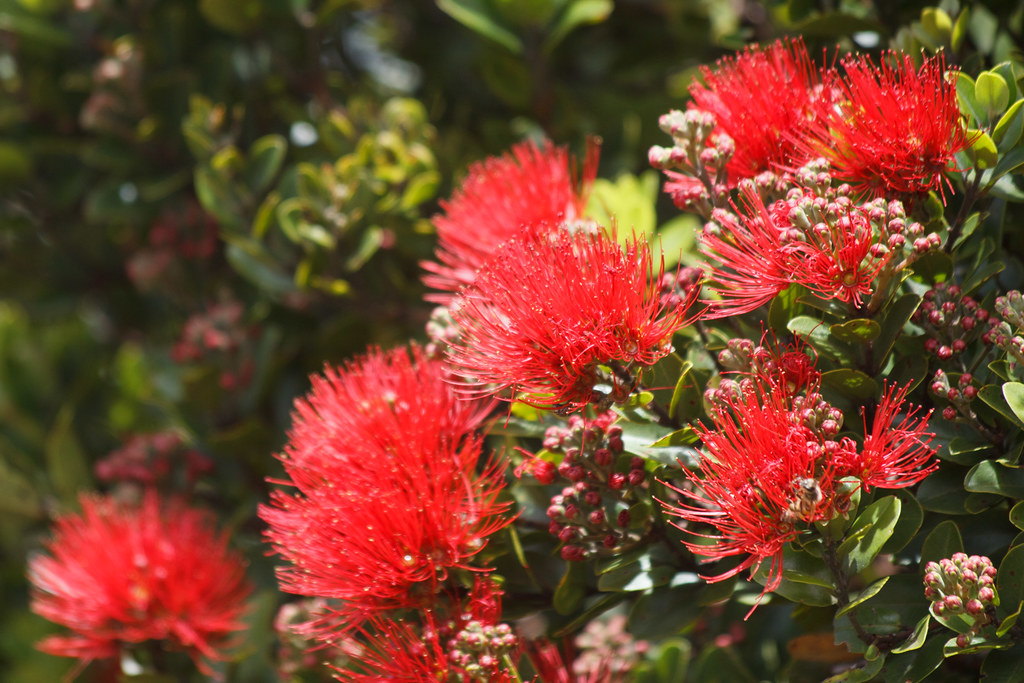
Lehua ohia red flowers – Flickr Emily Jung Miller

Never Start a Meeting with Work

A few months ago I attended the Collective Impact Conference online. It is a conference I enjoy and made a point of signing up again this year, especially when I saw the lineup of keynote speakers. Krista Tippett, the host of the podcast OnBeing was one of the speakers. While watching the conversation with Tippett she talked about how rituals in gatherings are important. When I heard this, it made me realize how much I miss the ritual and format of meetings that I used to host.

Process versus Ritual

A former boss pointed out how I despise process. She was wrong about many things, but right about that one. I don’t have the patience for processes. I often want to tackle problems and understand them, not deal with security design reviews, trainings to be in compliance with mandates, or absentminded protocols. But over time, I realize I do enjoy intentional steps to relate and understand problems. Rituals can help lead us to relationships, versus processes that are transactional.

At my former job, we collectively developed rituals and a cadence to our meetings – much of it centered on POC comfort and well-being (sounds frou-frou, but it really wasn’t). Everyone would arrive and settle in. I’d mingle and say hello, welcome new people, then we would start. I’d give everyone a “relationship building” prompt/question and actively encourage people to find someone new to talk to. For the introverts I told them don’t fear it would be a short conversation so if they got squirrely there was an out. After the relationship building question, we’d come back together and have more rituals, than the main part of the meeting. People knew the format and settled in quickly because they knew what to expect. The rituals and practices helped us to have a heartbeat to the meeting. It also gave us a collective center to come back to when we needed to recenter and come back to our group values of being anti-racist, centering POC voices, and valuing relationships versus practices. People said our meetings felt different and that is why they came.

Rituals in New Spaces

I’m now in a different organization and getting my sea legs. As I settle in, I realize I miss some of my former meeting rituals to fall back on with my new peeps. As the noob, I know I can’t just go in and disrupt the known patterns. I’m starting to find ways to bring in some of the rituals from my past work life into the new space – not all but some of the ones that work. Slowly as a new group we’re finding new rituals and finding ways to build relationships that center anti-racism and anti-ableism.

I’m also experimenting with how to create rituals that stick and work in online spaces. I remember when we first pivoted to online, it was neat, even comforting to keep gathering even remotely. At a certain point though the efficiencies of online also meant being ultra-efficient and not taking time to practice the rituals of the past. We had to rethink why we’re gathering and use the practices and rituals that support that why. Online spaces are here to stay, so we need to make them better and more relational.

Rituals that Stick

For me here are a few of the rituals I think will stick:

  • Opening with a purpose and invite people to participate in the opening – invite everyone to share in some way. In person it can be introduce themselves to someone new. Online – have everyone briefly introduce themselves or use the comment function.
  • Talk about why we’re gathering or meeting – what is the purpose and why the people invited are there – acknowledging their wisdom and knowledge, especially the wisdom of people traditionally overlooked – Black and Indigenous partners, elders, the wisdom of the place (e.g. the land or building).
  • Closing. Priya Parker, author and facilitator, wrote “Never end a funeral with logistics.” I am trying to create more rituals around closing meetings with gratitude and acknowledgment. Acknowledging we did something important together, gratitude to the POCs who shared or the allies who adjusted their thinking, and thank people for levity and fun.
  • Rinse and repeat – doing these same practices over and over again so they stick and become rituals. Adapt them as needed to fit the group and changing times, but also hold to core elements.

What rituals are sticking with you?


Thank you to our Patreon subscribers. At this time I don’t offer ‘extras’ or bonuses for Patreons. I blog after working a full-time job, volunteer and family commitments thus it is hard to find time to create more content. Whatever level you are comfortable giving pays for back-end costs, research costs, supporting other POC efforts, etc. If your financial situation changes please make this one of the first things you turn-off — you can still access the same content and when/if you are able to re-subscribe I’ll appreciate it.

Adrienne, Agent001, Aimie, Alayna, Alessandra, Alessandra, Alex E, Alexa, Aline, Alison FP, Alison P, Allison, Amanda, Amber, Amira, Amy, Amy K, Amy P, Amy R, Andie, Andrea J, Andrea JB, Andy, Angelica, Angelina, Ashlie, Aya, Barb, Barbara, Barrett, Betsy, Big Duck, Brad, Brenda, Bridget, Brooke B, Brooke DW, Cadence, Caitlin, Calandra, Callista, Cari, Carmen, Carolyn, Carrie B, Carrie C, Carrie S, Catherine, Chelsea, Christa, Christina C, Christina S, Clara, Clark, Courtney, Dan, dana, Danielle, Danya, Debbie, DeEtta, Denyse, Dennis, Dennis F, Diane, Don, Ed, Edith, Edith B, Eileen, Elizabeth, Emily, Erica J, Erica RB, Erin, Gene, Genita, Hannah, Hayden, Heather H, Heather M, Heidi and Laura, Heidi, Hilary, J Elizabeth, Jaime, Jake, James, Jane, Janet, Jelena, Jen C, Jen E,  Jen H, Jena, Jenn, Jennet, Jennifer, Jess, Jessica F, Jessica G, Jillian, Jody, John, Jon, Jordan L, Jordan S, Josie, Julia, Juliet, June, Karen, Kate, Katharine, Kathryn, Katie O, Kawai, Keisha, Kelly, Kiki, Kim, Kimberly, Kyla, LA Progressive, Laura, Lauren, Leah, Leslie, Lily, Liora, Lisa C, Lisa P-W, Lisa S, Liz, Lola, Lori, Lyn, Maegan, Maggie, Maile, Maka, Maki, Marc, Mareeha, Marilee, Mark, Matthew, Maura, McKenzie, Melissa, Melody, Meredith, Michael, Mickey, Migee, Mike, Milo, Mindy, Misha, Molly, Nat, Natasha, Nicole, paola, Peggy, PMM, Porsche, Rachel, Raquel, Rebecca, Robin, Sally, Sarah B, Sarah D, Sarah H, Sarah KB, Sarah R, Sarah S, Sarita, Selma, Sharon B, Sharon Y, Shaun, Shawna, Siobhan, Steph, Stephanie, Su, Sue, Sue C D, Susan, T Wang, Tania DSA, Tania TD, Tara, tash, Tim, Titilayo, Tracy G, Tracy TG, virginia, Vivian, Ward, Wendy, Willow, and Zan

If you subscribe to the blog, thank you. Please check fakequity.com for the most up-to-date version of the post. We often make grammatical and stylistic corrections after the first publishing which shows up in your inbox. Please subscribe, the sign-up box on the right sidebar (desktop version). To see what Erin is reading and recommended books check out the Fakequity Bookshop.

I am writing from the lands of the 29 federally recognized and non-federally recognized tribes in now Washington State, including the Coast Salish people — Duwamish, Muckleshoot, Suquamish, Snoqualmie, Snohomish, and Native American organizations that have treaty rights and have been here since time immemorial. I give my thanks to the elders, Native and Indigenous colleagues and relations, and the land itself. Fakequity pays “rent” to Native organizations in Washington and Hawai’i; a small act to repair and work to be in more justice-based relations.

Can AI teach about race?

Cute Wall-E robot, yellow body, triangle wheels, binocular eyes, behind a fuzzy background with a green plant. Photo by Lenin Estrada on Pexels.com

I’ve been playing around with a few different AI (artificial intelligence) websites for fun. One of them will take a picture and alter it however you choose. I took my headshot and told the AI to add a circus lion. I’m not showing the picture, it was a bit risqué. Another time I directed the AI to add sushi or put a Star Trek theme around me. It was funny to see what came up and a great way to burn 20-minutes. AI has a lot of potential, but it isn’t foolproof. In today’s NY Times there is an article with a dire headline: “A.I. Poses ‘Risk of Extinction,’ Industry Leaders Warn.” Since I’m not extinct yet, I didn’t ask ChatGPT to write this blog post.

Presently, AI can help to educate about race, but for the near future we need to invest in our own learning with time and personal experience.

Paul Simon – What’s a white dude has to do with it?

On my daily dog walks, I’m listening to Malcolm Gladwell’s book Miracle and Wonder, Conversations with Paul Simon. When the book popped up on my library queue, I paused and thought “Why’d I put a book about a white dude on hold?” but since it is a Malcolm Gladwell book I decided to give it a try. I’m glad I did. The audiobook is excellent. Both Gladwell and Simon’s voices are narrating the book and they interweave Simon’s singing.

While listening to the book I also thought about a podcast I had just listened to about AI technology. I realized AI can’t teach about race deeply (yet) because it doesn’t know how to draw upon different life experiences and weave them into a cohesive narrative. AIs can give you academic and basic answers about race. I tested the theory by asking ChatGPT to write a few paragraphs about race. It spit out some decent answers. But some of the best race work can’t be done by an AI because it doesn’t know how to take abstract concepts and blend them to push thinking or experiment with its writing to find the right tone, mix of thoughts, or interesting ways of forcing new thinking.

Gladwell talked about cultural immersions and experimentation as being part of Paul Simon’s musical genius. Simon’s music is influenced by many different sources and he experimented all the time. He wasn’t afraid to try something and deem it not usable or up to his musical standards. Gladwell talks about how different great musicians of that era were influenced by different radio channels they could pickup which introduced different types of music – such as Gospel, jazz, Mexican music, etc. Simon also talks about how he can’t imitate other sounds, he found it necessary to hop on a plane and record in different locales to ensure he was hiring musicians with those authentic sounds to get his music right. The riffing off different musicians led to some of his best music. His music is known for its South African, gospel, and playing with sounds (non-words la, la, laaa, sound).

Respectfully immersing ourselves into different cultures is important to learning about race. Being uncomfortable and around situations that are different helps us learn, build empathy and tolerance, and forces new thinking. It helps to break the known neural pathways that lead to our biases. It also gives us a bigger reservoir of experiences to draw upon when we encounter a new situation.

Gladwell included an audio clip of an NBA player (I can’t remember which one, and I can’t find it in the audio book at the moment) who recounted in detail how a game went. The player was re-living the game in his head for the interview. Gladwell talked about how having these detailed memories and deep mental bench of experiences allowed the basketball star to play at a peak level. He could quickly draw on his memory to adjust his game versus being like me on the basketball court – looking like a stunned deer. For us non-NBA players having deep diverse experiences allows us to bring richness and nuances to understand race and adjust our work to be deeper and better and more quickly responsive to POC community needs.

Currently, I doubt an AI can make these quick pivots and draw on diverse experiences to get race work right. If we think about where AI’s are drawing their information from it is from published material. Who currently has access to being published favors privileged people – white, formally educated, English literate (for English generating AIs), access to publishing privilege, tech literate, etc. Some will say the internet breaks down barriers to being published, that is true (this blog is proof of that since it is self-published – mistakes and all), there isn’t equal access to the internet.

No AI generated posts yet

I joked with a friend that I should take a week off and allow ChatGPT to write a few posts. But nah, the AI wouldn’t have the same personal nuances. Maybe I’ll test it out by asking ChatGPT to write about race combining Malcolm Gladwell, Paul Simon, and an unknown NBA player to see what it gives me.


Thank you to our Patreon subscribers. At this time I don’t offer ‘extras’ or bonuses for Patreons. I blog after working a full-time job, volunteer and family commitments thus it is hard to find time to create more content. Whatever level you are comfortable giving pays for back-end costs, research costs, supporting other POC efforts, etc. If your financial situation changes please make this one of the first things you turn-off — you can still access the same content and when/if you are able to re-subscribe I’ll appreciate it.

Adrienne, Agent001, Aimie, Alayna, Alessandra, Alessandra, Alex E, Alexa, Aline, Alison FP, Alison P, Allison, Amanda, Amber, Amira, Amy, Amy K, Amy P, Amy R, Andie, Andrea J, Andrea JB, Andy, Angelica, Angelina, Ashlie, Aya, Barb, Barbara, Barrett, Betsy, Big Duck, Brad, Brenda, Bridget, Brooke B, Brooke DW, Cadence, Caitlin, Calandra, Callista, Cari, Carmen, Carolyn, Carrie B, Carrie C, Carrie S, Catherine, Chelsea, Christa, Christina C, Christina S, Clara, Clark, Courtney, Dan, dana, Danielle, Danya, Debbie, DeEtta, Denyse, Dennis, Dennis F, Diane, Don, Ed, Edith, Edith B, Eileen, Elizabeth, Emily, Erica J, Erica RB, Erin, Gene, Genita, Hannah, Hayden, Heather H, Heather M, Heidi and Laura, Heidi, Hilary, J Elizabeth, Jaime, Jake, James, Jane, Janet, Jelena, Jen C, Jen E,  Jen H, Jena, Jenn, Jennet, Jennifer, Jess, Jessica F, Jessica G, Jillian, Jody, John, Jon, Jordan L, Jordan S, Josie, Julia, Juliet, June, Karen, Kate, Katharine, Kathryn, Katie O, Kawai, Keisha, Kelly, Kiki, Kim, Kimberly, Kyla, LA Progressive, Laura, Lauren, Leah, Leslie, Lily, Liora, Lisa C, Lisa P-W, Lisa S, Liz, Lola, Lori, Lyn, Maegan, Maggie, Maile, Maka, Maki, Marc, Mareeha, Marilee, Mark, Matthew, Maura, McKenzie, Melissa, Melody, Meredith, Michael, Mickey, Migee, Mike, Milo, Mindy, Misha, Molly, Nat, Natasha, Nicole, paola, Peggy, PMM, Porsche, Rachel, Raquel, Rebecca, Robin, Sally, Sarah B, Sarah D, Sarah H, Sarah KB, Sarah R, Sarah S, Sarita, Selma, Sharon B, Sharon Y, Shaun, Shawna, Siobhan, Steph, Stephanie, Su, Sue, Sue C D, Susan, T Wang, Tania DSA, Tania TD, Tara, tash, Tim, Titilayo, Tracy G, Tracy TG, virginia, Vivian, Ward, Wendy, Willow, and Zan

If you subscribe to the blog, thank you. Please check fakequity.com for the most up-to-date version of the post. We often make grammatical and stylistic corrections after the first publishing which shows up in your inbox. Please subscribe, the sign-up box on the right sidebar (desktop version). To see what Erin is reading and recommended books check out the Fakequity Bookshop.

I am writing from the lands of the 29 federally recognized and non-federally recognized tribes in now Washington State, including the Coast Salish people — Duwamish, Muckleshoot, Suquamish, Snoqualmie, Snohomish, and Native American organizations that have treaty rights and have been here since time immemorial. I give my thanks to the elders, Native and Indigenous colleagues and relations, and the land itself. Fakequity pays “rent” to Native organizations in Washington and Hawai’i; a small act to repair and work to be in more justice-based relations.

Attending to Relationship Repairs

Picture of hardware tools. Photo by energepic.com on Pexels.com

I just finished listening to the audiobook What My Bones Know by Stephanie Foo. I’ve put off reading it since it is a heavy topic, but the audiobook popped up in my library queue right when I had finished listening to another book so I decided to give it a try. I’m glad I did. In the book, Foo delves into her childhood abuse and subsequent complex PTSD. In the later part of the book, she writes about her present-day work to heal and move forward with her life and mental health diagnosis. I won’t give away the details of the book, but one of the themes in the book is healing, which lead her to a therapist who worked with her on the importance of repairing relationships.

Working on racialized problems and working to undo racism is messy, tangled, and hard. All of us, regardless of race, will mess up at times and cause harm to someone we’re in a relationship with in some way. (Relationships include work relationships, friendships, and family relationships — not just intimate or romantic relationships.) When these ruptures in our relationships happen an apology is often a first step, but moving it beyond an apology to include work at repairing a relationship will go further.

A basic apology is often a one-way transactional interaction. This is why now formulaic statements, in the vein of ‘thoughts and praryers,’ after a tragedy do little and are not sufficient. It says I’m sorry something happened, but there is no attunement to relationship and repair work that needs to take place. There is no love or an investment into a relationship with thoughts and prayers statements.

Repair work is deeper than an apology. It asks both sides to come together to acknowledge what happened. This takes self-awareness and empathy. Self-awareness, when emotions are high, is taxing. I know when I’m in the moment and upset I don’t want to be self-aware, I want to be righteous and right. Once I’ve come down a bit from the emotional high is the place where I have to stop and evaluate how to repair the relationship.

Earlier this week a colleague who works in informal dispute resolution told me about how she coached an administrator to talk to a grandparent who was deeply unhappy with how her grandchild was treated at school. The school administrator felt he’d taken all of the steps he was required to – he’d checked off all of the legal and policy steps he was required to do. He was hesitant to talk to the grandparent since he knew they were justifiably upset with him and the school. Talking to someone who is upset is very rarely at the top of anyone’s list of things they want to do, thus he avoided the grandparent. After talking to my colleague who coached the administrator on how to talk and listen to the grandparent they had a productive conversation. The grandparent wanted to be understood. The grandparent and administrator took steps towards repairing their very tentative relationship. After the conversion, the grandparent was less upset, and the administrator understood more about what had happened that led to the conflict — empathy had grown between them. They were also able to avoid a drawn-out administrative process that wouldn’t have benefited either side.

Many times repair processes can be healing and help people move forward. I have friends and colleagues who work on restorative justice processes. For these processes to work people have to invest in them with openness even though they may be hurt and be willing to invest in the relationship. For people, especially people of color, who experienced a racialized incident this can be hard and not something they are willing to revisit. Racism cuts deep and can’t always be repaired quickly.

Repair work takes time. Sometimes it can be accomplished in one conversation, but other times it takes many conversations, patience, and empathy to reach a place of repair. Shame and hurt over causing a breach in the relationship can be constricting and cause people to want to avoid starting a relationship repair.

Relationships are the basis of moving race work forward. Along the way we will mess up and a relationship may be at risk of ending. Instead of avoiding the problem, we should pause and work on seeing the relationship as valuable and working on repairing the hurt that was caused.


Thank you to our Patreon subscribers. At this time I don’t offer ‘extras’ or bonuses for Patreons. I blog after working a full-time job, volunteer and family commitments thus it is hard to find time to create more content. Whatever level you are comfortable giving pays for back-end costs, research costs, supporting other POC efforts, etc. If your financial situation changes please make this one of the first things you turn-off — you can still access the same content and when/if you are able to re-subscribe I’ll appreciate it.

Adrienne, Agent001, Aimie, Alayna, Alessandra, Alessandra, Alex E, Alexa, Aline, Alison FP, Alison P, Allison, Amanda, Amber, Amira, Amy, Amy K, Amy P, Amy R, Andie, Andrea J, Andrea JB, Andy, Angelica, Angelina, Ashlie, Aya, Barb, Barbara, Barrett, Betsy, Big Duck, Brad, Brenda, Bridget, Brooke B, Brooke DW, Cadence, Caitlin, Calandra, Callista, Cari, Carmen, Carolyn, Carrie B, Carrie C, Carrie S, Catherine, Chelsea, Christa, Christina C, Christina S, Clara, Clark, Courtney, Dan, dana, Danielle, Danya, Debbie, DeEtta, Denyse, Dennis, Dennis F, Diane, Don, Ed, Edith, Edith B, Eileen, Elizabeth, Emily, Erica J, Erica RB, Erin, Gene, Genita, Hannah, Hayden, Heather H, Heather M, Heidi and Laura, Heidi, Hilary, J Elizabeth, Jaime, Jake, James, Jane, Janet, Jelena, Jen C, Jen E,  Jen H, Jena, Jenn, Jennet, Jennifer, Jess, Jessica F, Jessica G, Jillian, Jody, John, Jon, Jordan L, Jordan S, Josie, Julia, Juliet, June, Karen, Kate, Katharine, Kathryn, Katie O, Kawai, Keisha, Kelly, Kiki, Kim, Kimberly, Kyla, LA Progressive, Laura, Lauren, Leah, Leslie, Lily, Liora, Lisa C, Lisa P-W, Lisa S, Liz, Lola, Lori, Lyn, Maegan, Maggie, Maile, Maka, Maki, Marc, Mareeha, Marilee, Mark, Matthew, Maura, McKenzie, Melissa, Melody, Meredith, Michael, Mickey, Migee, Mike, Milo, Mindy, Misha, Molly, Nat, Natasha, Nicole, paola, Peggy, PMM, Porsche, Rachel, Raquel, Rebecca, Robin, Sally, Sarah B, Sarah D, Sarah H, Sarah KB, Sarah R, Sarah S, Sarita, Selma, Sharon B, Sharon Y, Shaun, Shawna, Siobhan, Steph, Stephanie, Su, Sue, Sue C D, Susan, T Wang, Tania DSA, Tania TD, Tara, tash, Tim, Titilayo, Tracy G, Tracy TG, virginia, Vivian, Ward, Wendy, Willow, and Zan

If you subscribe to the blog, thank you. Please check fakequity.com for the most up-to-date version of the post. We often make grammatical and stylistic corrections after the first publishing which shows up in your inbox. Please subscribe, the sign-up box on the right sidebar (desktop version). To see what Erin is reading and recommended books check out the Fakequity Bookshop.

I am writing from the lands of the 29 federally recognized and non-federally recognized tribes in now Washington State, including the Coast Salish people — Duwamish, Muckleshoot, Suquamish, Snoqualmie, Snohomish, and Native American organizations that have treaty rights and have been here since time immemorial. I give my thanks to the elders, Native and Indigenous colleagues and relations, and the land itself. Fakequity pays “rent” to Native organizations in Washington and Hawai’i; a small act to repair and work to be in more justice-based relations.

AANHPI Heritage Month Book List

A wagon full of diverse books and a bouquet of colorful flowers grown by Hmong flower farmers

In honor of Asian American and Pacific Islander heritage month, it is time to share a few of my favorite books by Asian American Native Hawaiian and Pacific Islander authors. Representation matters and I hope people will include some of these authors in their ebook queues and overflowing stacks of paper or eyeball-reading books.

As a note, I get very annoyed with book lists and other lists during AANHPI month that are not inclusive of Native Hawaiian and Pacific Islanders. I am listing the ethnicities of the writers as I know them to highlight and encourage people to read diverse AANHPI works and to especially call out the Native Hawaiian and Pacific Islander books on this list.

Lei Aloha: Celebrating the Vibrant Flowers and Lei of Hawai’i by Meleana Estes (Native Hawaiian) is eye candy. The book has full-color pictures printed on nice paper and with interesting history and narratives about leis this book is a joy to browse through. It looks like a fancy cookbook in weight, design and feel, but unlike a cookbook, it isn’t a how-to book. You won’t find detailed instructions on how to make leis, but you will gain a deeper understanding and appreciation of lei making in Hawai’i.

I’ve probably shared Together: The Healing Power of Human Connection in a Sometimes Lonely World by Surgeon General Vivek H. Murthy (Indian American) on other lists on Fakequity, but it is now out in paperback. I appreciated Murthy’s focusing on human connections and weaving science with real life examples of why connecting with others is important for health and community wellbeing. I still think back to parts of the book and have carried some of the lessons I’ve learned from this book into my daily work.

I haven’t read this book yet, but I’m really excited about Lee Cataluna’s latest book of plays Flowers of Hawai’i and Other Plays. Cataluna is a writer in Hawai’i who captures the essence and people of Hawai’i well. If you enjoy traveling to Hawai’i please take time to read works by contemporary writers from Hawai’i, this is a good place to start.  

What My Bones Know by Stephanie Foo (Chinese) is deep. Foo delves into her history as she works to heal from complex PTSD. This book isn’t for everyone, but if you get into it there is a lot to learn and unpack about mental illness, family dynamics, Asian American and immigrant stories, and healing.

Habitat Threshold by Craig Santos Perez (Chamorro, from the Island of Guåhan, Guam) is a book of environmental poetry. It is stark and maybe will shake many of us out of our complacency and complicity around climate change.

Younger Readers

I am in love with 8-year-old Jasmine Toguchi and her adventures. I’m so glad author Debbi Michiko Florence added to the Jasmine Toguchi series. In the newest books Jasmine Toguchi Brave Explorer and Jasmine Toguchi Peace-Maker, Jasmine and her family travel to Japan where she learns more about being a supportive sister and friend.

The Yasmin book series is another favorite. Yasmin is an elementary school age girl who many beginning chapter book readers can relate to. I’m including the Yasmin books on this list to highlight the many Muslim Asians and a Pakistani writer.

Wishes by Muon Thi Van (Vietnamese) is told with very few words. The sparse text is meaningful and guides readers to understand more about the Vietnamese immigrant experience. The pictures are gorgeous and add to the poetic nature of the book.

I recently donated a copy of Gibberish by Young Vo to my friend who is an elementary school counselor. When I caught up with Counselor Elizabeth she told me about how she read it to a third grade class. She noticed a few of the boys who would normally be on the side listening but fidgeting slowly crept over and were hovering over the book as she read it. They related to the story of the young boy who has trouble making himself understood because of language and disability. (Unknown ethnicity of author.)

What Asian and Pacific Islander authors are you reading? I’m always on the hunt for new books. Send me your recommendations. This list is very incomplete, but it is a snapshot of some good books I’ve enjoyed or hope to enjoy over the next few weeks and months.


Thank you to our Patreon subscribers. At this time I don’t offer ‘extras’ or bonuses for Patreons. I blog after working a full-time job, volunteer and family commitments thus it is hard to find time to create more content. Whatever level you are comfortable giving pays for back-end costs, research costs, supporting other POC efforts, etc. If your financial situation changes please make this one of the first things you turn-off — you can still access the same content and when/if you are able to re-subscribe I’ll appreciate it.

Adrienne, Agent001, Aimie, Alayna, Alessandra, Alessandra, Alex E, Alexa, Aline, Alison FP, Alison P, Allison, Amanda, Amber, Amira, Amy, Amy K, Amy P, Amy R, Andie, Andrea J, Andrea JB, Andy, Angelica, Angelina, Ashlie, Aya, Barb, Barbara, Barrett, Betsy, Big Duck, Brad, Brenda, Bridget, Brooke B, Brooke DW, Cadence, Caitlin, Calandra, Callista, Cari, Carmen, Carolyn, Carrie B, Carrie C, Carrie S, Catherine, Chelsea, Christa, Christina C, Christina S, Clara, Clark, Courtney, Dan, dana, Danielle, Danya, Debbie, DeEtta, Denyse, Dennis, Dennis F, Diane, Don, Ed, Edith, Edith B, Eileen, Elizabeth, Emily, Erica J, Erica RB, Erin, Gene, Genita, Hannah, Hayden, Heather H, Heather M, Heidi and Laura, Heidi, Hilary, J Elizabeth, Jaime, Jake, James, Jane, Janet, Jelena, Jen C, Jen E,  Jen H, Jena, Jenn, Jennet, Jennifer, Jess, Jessica F, Jessica G, Jillian, Jody, John, Jon, Jordan L, Jordan S, Josie, Julia, Juliet, June, Karen, Kate, Katharine, Kathryn, Katie O, Kawai, Keisha, Kelly, Kiki, Kim, Kimberly, Kyla, LA Progressive, Laura, Lauren, Leah, Leslie, Lily, Liora, Lisa C, Lisa P-W, Lisa S, Liz, Lola, Lori, Lyn, Maegan, Maggie, Maile, Maka, Maki, Marc, Mareeha, Marilee, Mark, Matthew, Maura, McKenzie, Melissa, Melody, Meredith, Michael, Mickey, Migee, Mike, Milo, Mindy, Misha, Molly, Nat, Natasha, Nicole, paola, Peggy, PMM, Porsche, Rachel, Raquel, Rebecca, Sally, Sarah B, Sarah D, Sarah H, Sarah KB, Sarah R, Sarah S, Sarita, Selma, Sharon B, Sharon Y, Shaun, Shawna, Siobhan, Steph, Stephanie, Su, Sue, Sue C D, Susan, T Wang, Tania DSA, Tania TD, Tara, tash, Tim, Titilayo, Tracy G, Tracy TG, virginia, Vivian, Ward, Wendy, Willow, and Zan

If you subscribe to the blog, thank you. Please check fakequity.com for the most up-to-date version of the post. We often make grammatical and stylistic corrections after the first publishing which shows up in your inbox. Please subscribe, the sign-up box on the right sidebar (desktop version). To see what Erin is reading and recommended books check out the Fakequity Bookshop.

I am writing from the lands of the 29 federally recognized and non-federally recognized tribes in now Washington State, including the Coast Salish people — Duwamish, Muckleshoot, Suquamish, Snoqualmie, Snohomish, and Native American organizations that have treaty rights and have been here since time immemorial. I give my thanks to the elders, Native and Indigenous colleagues and relations, and the land itself. Fakequity pays “rent” to Native organizations in Washington and Hawai’i; a small act to repair and work to be in more justice-based relations.

All is a Dangerous Word

REIMAGINE – Patrisse Cullors. Artwork by Noa Denmon, Amplifer Art

All is a dangerous word, especially when coupled with the word equity.

It is time for the annual reminder, there isn’t such a thing as equity for all. That would be equality. Equality for all is redundant, see where I’m going with this?

Equity is not meant for everyone, all, to have the same. Equity means we look at where people are, look at the goals, and figure out different ways for different groups of people to reach that same goal. Equity also requires us to do the harder work of being in justice-based relationships with people and making resources, sharing or giving power, and sometimes stepping back so others can lead.

One group may need a head start because they are further behind, another group may need different tools or access to different instruments to achieve the same goal, and so on.

Here is a practical example. If the goal is every student receives an education, the way each student gets there might be a little different.

Group A – Regular classroom support, basic classes, and relationships with teachers.

Group B – Immigrant students who are new to the country and do not understand English, will need more language support, and ongoing support around settling into a new community.

Group C – Students with various disabilities will need different support than other groups. Such as they may need access to elevators, learning aids such as screen readers, or accommodations such as more time to turn in assignments.

Group D – Black students, recognizing the education system has not been equal or inviting to many Black students and currently many Black students are not graduating at the same rates as their white counterparts. Working with the Black community and learning about their needs and the diversity within Black communities is important to getting to equity.

Group E – Indigenous and Native American students, understanding how education was used as a tool to systemically decimate Native communities.

And so on. Everyone gets what they need, but not the same. Equity is not equal, and it is not for all. While everyone may get what they need, we don’t need to say equity for all – there is no such thing.

Equity for all would allow one group, Group A most likely, to take more than they need. It also wouldn’t recognize the starting point for each group is very different.

All is a dangerous word

When I edit writing and I see the word all, I have to pause to see if it is really necessary. Ninety-five percent of the time I strike the word and the sentence doesn’t change much. All is dangerous because we use it often, but we rarely work towards serving all or everyone. If we worked to serve everyone we would fail miserably and waste a lot of time and resources. Instead of focusing on all or even using platitudes like “Equity for all,” or “Justice for all” we focus and get clearer about our goals.

When we say all we let ourselves off the hook for drilling in deeper and articulating what needs to be done. My friend CiKeithia likes to remind me, people and organizations really good at saying what we don’t want around race work, but they forget to say what we’re building towards.

The word all gives people permission to default to access versus practicing equity. A few days ago Heidi emailed me a screenshot of a press release talking about tree equity. Do trees need equity? The movement to ensure there is ACCESS to trees is a good one, but access isn’t equity. If you need a primer on this make sure to review Heidi’s really great mapping tool. Equity requires harder work of ensuring people most impacted by disparities have a say in determining their futures.

Equity is hard. All is easy. Do the harder work and stop saying equity for all.


Thank you to our Patreon subscribers. At this time I don’t offer ‘extras’ or bonuses for Patreons. I blog after working a full-time job, volunteer and family commitments thus it is hard to find time to create more content. Whatever level you are comfortable giving pays for back-end costs, research costs, supporting other POC efforts, etc. If your financial situation changes please make this one of the first things you turn-off — you can still access the same content and when/if you are able to re-subscribe I’ll appreciate it.

Adrienne, Agent001, Aimie, Alayna, Alessandra, Alessandra, Alex E, Alexa, Aline, Alison FP, Alison P, Allison, Amanda, Amber, Amira, Amy, Amy K, Amy P, Amy R, Andie, Andrea J, Andrea JB, Andy, Angelica, Angelina, Ashlie, Aya, Barb, Barbara, Barrett, Betsy, Big Duck, Brad, Brenda, Bridget, Brooke B, Brooke DW, Cadence, Caitlin, Calandra, Callista, Cari, Carmen, Carolyn, Carrie B, Carrie C, Carrie S, Catherine, Chelsea, Christa, Christina C, Christina S, Clara, Clark, Courtney, Dan, dana, Danielle, Danya, Debbie, DeEtta, Denyse, Dennis, Dennis F, Diane, Don, Ed, Edith, Edith B, Eileen, Elizabeth, Emily, Erica J, Erica RB, Erin, Gene, Genita, Hannah, Hayden, Heather H, Heather M, Heidi and Laura, Heidi, Hilary, J Elizabeth, Jaime, Jake, James, Jane, Janet, Jelena, Jen C, Jen E,  Jen H, Jena, Jenn, Jennet, Jennifer, Jess, Jessica F, Jessica G, Jillian, Jody, John, Jon, Jordan L, Jordan S, Josie, Julia, Juliet, June, Karen, Kate, Katharine, Kathryn, Katie O, Kawai, Keisha, Kelly, Kiki, Kim, Kimberly, Kyla, LA Progressive, Laura, Lauren, Leah, Leslie, Lily, Liora, Lisa C, Lisa P-W, Lisa S, Liz, Lola, Lori, Lyn, Maegan, Maggie, Maile, Maka, Maki, Marc, Mareeha, Marilee, Mark, Matthew, Maura, McKenzie, Melissa, Melody, Meredith, Michael, Mickey, Migee, Mike, Milo, Mindy, Misha, Molly, Nat, Natasha, Nicole, paola, Peggy, PMM, Porsche, Rachel, Raquel, Rebecca, Sally, Sarah B, Sarah D, Sarah H, Sarah KB, Sarah R, Sarah S, Sarita, Selma, Sharon B, Sharon Y, Shaun, Shawna, Siobhan, Steph, Stephanie, Su, Sue, Susan, T Wang, Tania DSA, Tania TD, Tara, tash, Tim, Titilayo, Tracy G, Tracy TG, virginia, Vivian, Ward, Wendy, Willow, and Zan

If you subscribe to the blog, thank you. Please check fakequity.com for the most up-to-date version of the post. We often make grammatical and stylistic corrections after the first publishing which shows up in your inbox. Please subscribe, the sign-up box on the right sidebar (desktop version). To see what Erin is reading and recommended books check out the Fakequity Bookshop.
I am writing from the lands of the 29 federally recognized and non-federally recognized tribes in now Washington State, including the Coast Salish people — Duwamish, Muckleshoot, Suquamish, Snoqualmie, Snohomish, and Native American organizations that have treaty rights and have been here since time immemorial. I give my thanks to the elders, Native and Indigenous colleagues and relations, and the land itself. Fakequity pays “rent” to Native organizations in Washington and Hawai’i; a small act to repair and work to be in more justice-based relations.

Asian American Pacific Islander Heritage Month

Happy May 4! AKA Star Wars Day. But this isn’t a critique of the Star Wars franchise as it relates to race and social justice – that sounds tempting, but I will have to do some research and rewatch the movies to make that happen. (Sidenote: Remind me to tell you how Moana and Star Wars The Force Awakens are the same).

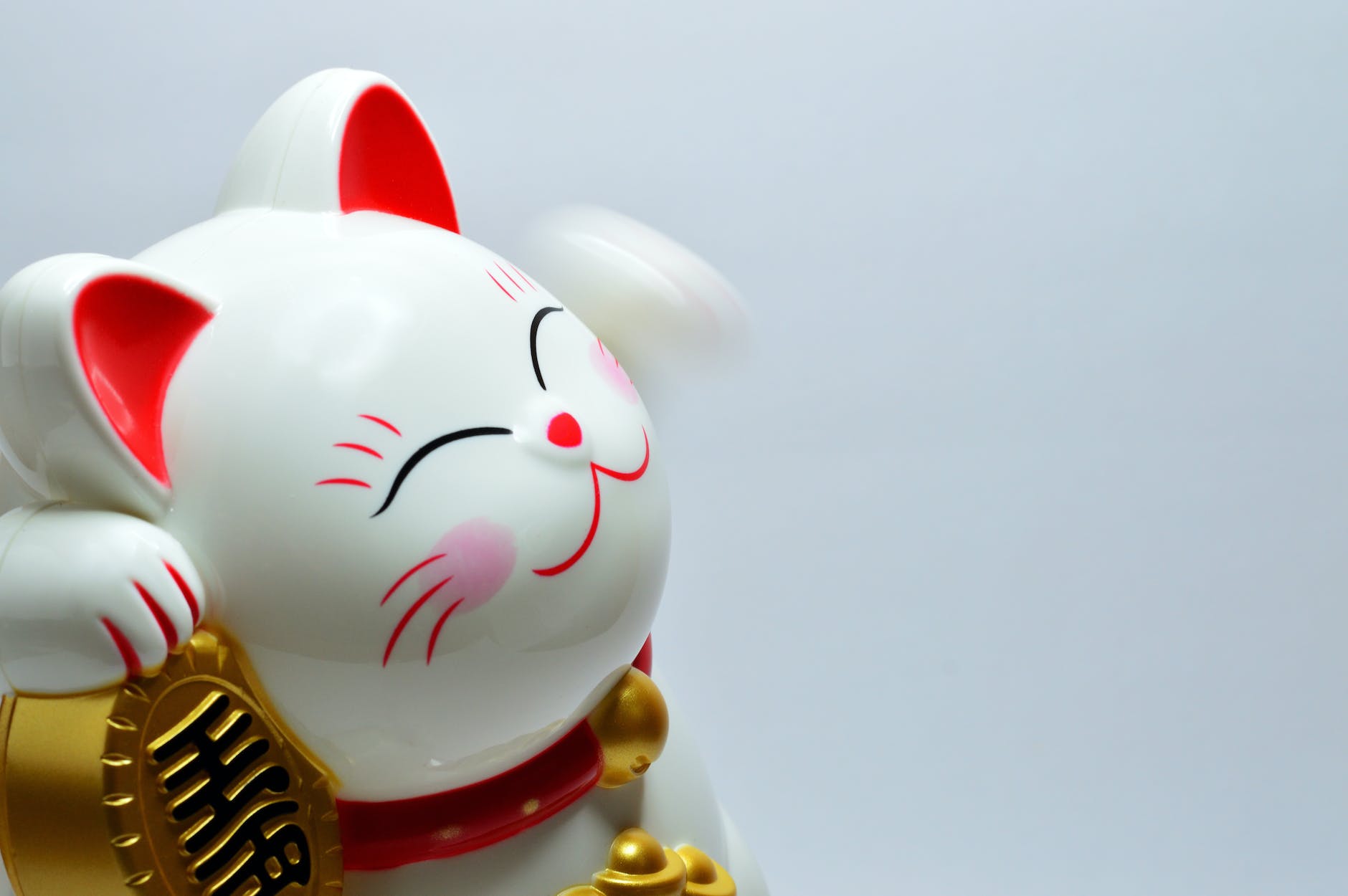
Picture of a lucky cat figurine on a white background. Photo by Miguel u00c1. Padriu00f1u00e1n on Pexels.com

Since it is May, we get to celebrate Kodomo no hi tomorrow Children’s day and Boy’s day in Japan, and in the US it is Asian American and Pacific Islander Heritage Month.

Here are a few notes if you’re celebrating/honoring Asian American and Pacific Islander Heritage Month

Celebrate the diversity of Asian and the Pacific Islands in America – it isn’t East Asian and Sometimes Southeast Asian Heritage Month with a sprinkling of others month — It is Asian American and Pacific Islander Heritage Month.

Too many organizations forget, practice laziness, or have honest oversights about the diversity of the API race group and default to primarily focusing on East Asians. Do it right and honor the greater diversity of APIs.

Learn about AAPIs

The race group is very diverse and expansive. The Asian race group spans from:

  • East Asia: Japan, Korea, China, Taiwan, etc.
  • Southeast Asia: Viet Nam, Thailand, etc.,
  • South Asia: India, Pakistan, Nepal, Sri Lanka, etc.,
  • Central Asia: Kazakhstan, Kyrgyzstan, Tajikistan, Turkmenistan, Uzbekistan,
  • West Asia and Middle East: Armenia, United Arab of Emirates, Yemen, Qatar, Palestine, etc.*

*Currently in the US Census Middle East rolls up into the white race category. There are conversations to have the Middle East become its own race group. For now, I am including the Middle East in Asia as a point of inclusion and want to acknowledge and honor West Asia and Middle East people’s contributions.

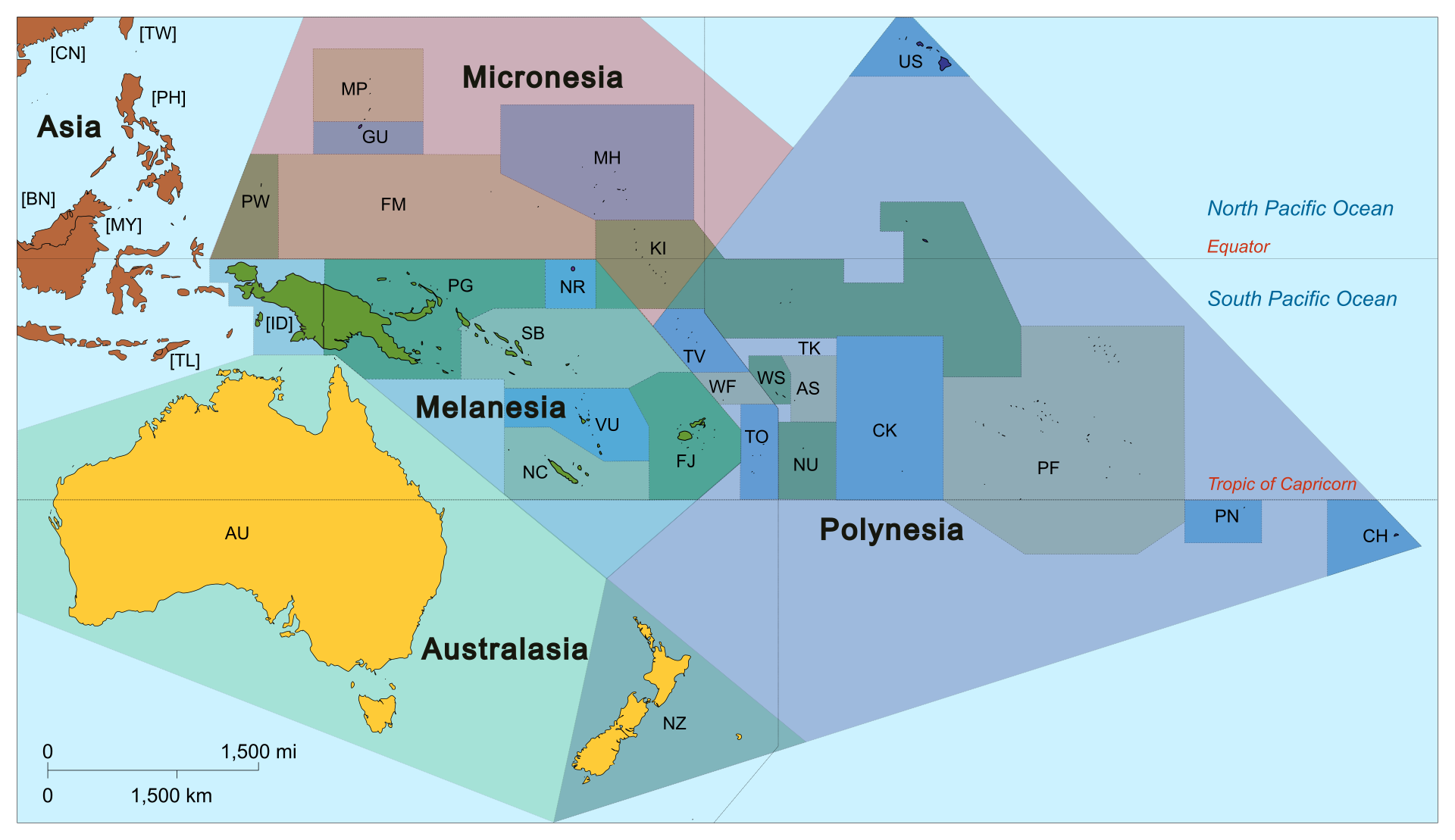
In 2000, the US Census separated the Pacific Islander race group into their own category. Native Hawaiians and Pacific Islanders (NHPI) include three major subregions of Oceania:

  • Melanesia: Fiji, New Caledonia, Papua New Guinea, Solomon Islands, etc.
  • Polynesia: New Zealand Māori, Samoa, Tonga, Tahiti
  • Micronesia: Guam, Caroline Islands, Palau, Yap

The lists above are not inclusive, the examples listed are meant to be geographic place markers.

Please make sure if you’re celebrating AAPI Heritage Month you are inclusive of many different regions of Asia and the Pacific Islands.

No Tokenism

As you celebrate the month, please make sure you stay away from tokenizing Asians and Pacific Islanders. We do not want a celebration that looks like a fake Hawaiian luau with plastic leis and blow-up palm trees. Stay away from caricatures of Asians or over femininized Asian women.

Instead do some research and learn about the Asians and Pacific Islanders in your community. Migration patterns are different for different ethnic groups; this is reflected in where different ethnic and language groups have settled in the US and beyond. Learn about the Asian and Pacific Islander communities in your area and get to know them. EPIC’s website has a lot of great information about the Pacific Islander diaspora in the US. I also remember reading in Detours about how Native Hawaiians migrated to Washington state, and in particular how Kalama, a town in Washington can trace its name back to a Native Hawaiian.

As an example, I live in Seattle and since it is spring, I am enjoying watching the Samoan cricket league start to gear up. During the summer my neighborhood park becomes the home field to the Samoan Cricket League. I don’t understand the game, but I enjoy watching the families settle into the park on Saturdays to play, watch cricket, and be their authentic selves. Sometimes if I’m lucky some of the families have food and drinks for sale. It is a treat and reminds me of food from Hawai’i. Last year I spied some round donuts and asked the aunty what they were, she told me and gave me a sample. It tasted exactly like andagi, Okinawan donuts. I told her we call it andagi in Okinawan and bought a few to share with my kid.

Learning More

As an Asian who grew up in a majority Asian community, I know I have blind spots. I grew up mostly with East Asians and Native Hawaiians. I have a lot more to learn about other Asian and Pacific Islander experiences.

I also have to learn a lot more about the intersectionality of the Asian experience with other race groups, such as how is the Asian-Black experience different, awareness of indigenity with Asians and Pacific Islanders, disabled Asian and disabled Pacific Islanders experience, etc. I recently read Sonora Jha’s book How to Raise a Feminist Son. While Jha and I are both Asian women our experiences, I learned a lot about how she sees the intersections of feminism and different forms of identity.

Celebrate and Honor AAPIs

Please celebrate and honor Asian American and Pacific Islanders. We are here and we contribute mightily to our communities. Don’t dismiss the month, take some time to enjoy what AAPI month has to offer.


Thank you to our Patreon subscribers. At this time I don’t offer ‘extras’ or bonuses for Patreons. I blog after working a full-time job, volunteer and family commitments thus it is hard to find time to create more content. Whatever level you are comfortable giving pays for back-end costs, research costs, supporting other POC efforts, etc. If your financial situation changes please make this one of the first things you turn-off — you can still access the same content and when/if you are able to re-subscribe I’ll appreciate it.

Adrienne, Agent001, Aimie, Alayna, Alessandra, Alessandra, Alex E, Alexa, Aline, Alison FP, Alison P, Allison, Amanda, Amber, Amira, Amy, Amy K, Amy P, Amy R, Andie, Andrea J, Andrea JB, Andy, Angelica, Angelina, Ashlie, Aya, Barb, Barbara, Barrett, Betsy, Big Duck, Brad, Brenda, Bridget, Brooke B, Brooke DW, Cadence, Caitlin, Calandra, Callista, Cari, Carmen, Carolyn, Carrie B, Carrie C, Carrie S, Catherine, Chelsea, Christa, Christina C, Christina S, Clara, Clark, Courtney, Dan, dana, Danielle, Danya, Debbie, DeEtta, Denyse, Dennis, Dennis F, Diane, Don, Ed, Edith, Edith B, Eileen, Elizabeth, Emily, Erica J, Erica RB, Erin, Gene, Genita, Hannah, Hayden, Heather H, Heather M, Heidi and Laura, Heidi, Hilary, J Elizabeth, Jaime, Jake, James, Jane, Janet, Jelena, Jen C, Jen E,  Jen H, Jena, Jenn, Jennet, Jennifer, Jess, Jessica F, Jessica G, Jillian, Jody, John, Jon, Jordan L, Jordan S, Josie, Julia, Juliet, June, Karen, Kate, Katharine, Kathryn, Katie O, Kawai, Keisha, Kelly, Kiki, Kim, Kimberly, Kyla, LA Progressive, Laura, Lauren, Leah, Leslie, Lily, Liora, Lisa C, Lisa P-W, Lisa S, Liz, Lola, Lori, Lyn, Maegan, Maggie, Maile, Maka, Maki, Marc, Mareeha, Marilee, Mark, Matthew, Maura, McKenzie, Melissa, Melody, Meredith, Michael, Mickey, Migee, Mike, Milo, Mindy, Misha, Molly, Nat, Natasha, Nicole, paola, Peggy, PMM, Porsche, Rachel, Raquel, Rebecca, Sally, Sarah B, Sarah D, Sarah H, Sarah KB, Sarah R, Sarah S, Sarita, Selma, Sharon B, Sharon Y, Shaun, Shawna, Siobhan, Steph, Stephanie, Su, Sue, Susan, T Wang, Tania DSA, Tania TD, Tara, tash, Tim, Titilayo, Tracy G, Tracy TG, virginia, Vivian, Ward, Wendy, Willow, and Zan

If you subscribe to the blog, thank you. Please check fakequity.com for the most up-to-date version of the post. We often make grammatical and stylistic corrections after the first publishing which shows up in your inbox. Please subscribe, the sign-up box on the right sidebar (desktop version). To see what Erin is reading and recommended books check out the Fakequity Bookshop.
I am writing from the lands of the 29 federally recognized and non-federally recognized tribes in now Washington State, including the Coast Salish people — Duwamish, Muckleshoot, Suquamish, Snoqualmie, Snohomish, and Native American organizations that have treaty rights and have been here since time immemorial. I give my thanks to the elders, Native and Indigenous colleagues and relations, and the land itself. Fakequity pays “rent” to Native organizations in Washington and Hawai’i; a small act to repair and work to be in more justice-based relations.

What are the Stories of the Spaces You are in?

Neon sign “this must be the place” on a geometric motif. Photo by Tim Mossholder on Pexels.com

Earlier this week I heard a colleague and friend defend his dissertation. It was amazing. Kaleb researched the meaning of place and learning for Black students and other students of color who traditionally do not have a space of their own (e.g. colonization, gentrification, stolen lands, redlining, push-out effect, etc). When Kaleb and I worked together we were part of a nonprofit rooted in a geographic space. It was cozy and wonderful. COVID disrupted our time together, but I’m grateful we got to spend time together and now I get to learn from a newly minted PhD.

Place Matters

Kaleb and I first met when we were part of a place-based organization. The organization was rooted in a very specific geography to focus on people of color. I enjoyed building deep relationships within this community. Through that work, I also learned how important place matters for policy work. I was reminded of that today when I listened to a presentation on preschool enrollment and saw how having specific preschools in specific neighborhoods really impacted the demographics of the program. Place matters.

If we know place matters, it is also important to know the stories within these places.

Begin to Understand the Stories

Every place has an indigenous/pre-colonized story. That is a great place to start exploring some of the stories of a place. As an example, I researched the original place name for my neighborhood. The original Lushootseed name is qWátSéécH, translated to green-yellow spine – which is very true of the neighborhood. Connecting to the original place name is important to understanding the Native American history, and more specifically the Duwamish stories of this place. Equally important is to ask why aren’t these place name stories more readily told. Whose stories are we burying and silencing and why aren’t they readily shared? We switch from silencing Indigenous stories to understanding and centering Indigenous and POC stories.

Who is telling the story?

Place matters, and the story keepers matter too. We need to treat stories with care, especially linguistic care. Staying true to their original meaning and original creation. Kaleb shared an example of how one of the projects he worked on for his dissertation was with a Deaf youth group. The students Kaleb was working with wanted to understand how to communicate more seamlessly with their Deaf counterparts, recognizing the language and disabilities differences.

We need to ask how these stories can support or exclude people. Taking care in creating ways to include people in the meaning of our stories is important. It is also important to reflect on which stories belong to certain communities and do not need to be shared at the risk of harming a POC community.

As I thought about this post I thought about a few places where we can begin to unearth the stories our places hold. I’m sharing it to help us find our stories and to use them to create wonder and reflection.

  • Indigenous place names – research the original place name and pronunciation of your city, town, neighborhood. What is the story behind the name?
  • Family stories rooted in important places to your family.
  • What are the stories of harm to Black and Indigenous, or other POC communities related to places you belong. As an example, colonization, red lining, etc. What are the stories of liberation, justice, or place making by POCs in your communities?
  • What are some of the native plants in your area, what are the POC stories related to some of these natural wonders?
  • If you’re in an urban space, what are the migration stories of how people got there? What are the founding stories and how do POCs interact with those stories — do POCs belong or are they written out of the place story?

Thank you to our Patreon subscribers. At this time I don’t offer ‘extras’ or bonuses for Patreons. I blog after working a full-time job, volunteer and family commitments thus it is hard to find time to create more content. Whatever level you are comfortable giving pays for back-end costs, research costs, supporting other POC efforts, etc. If your financial situation changes please make this one of the first things you turn-off — you can still access the same content and when/if you are able to re-subscribe I’ll appreciate it.

Adrienne, Agent001, Aimie, Alayna, Alessandra, Alessandra, Alex E, Alexa, Aline, Alison FP, Alison P, Allison, Amanda, Amber, Amira, Amy, Amy K, Amy P, Amy R, Andie, Andrea J, Andrea JB, Andy, Angelica, Angelina, Ashlie, Aya, Barb, Barbara, Barrett, Betsy, Big Duck, Brad, Brenda, Bridget, Brooke B, Brooke DW, Cadence, Caitlin, Calandra, Callista, Cari, Carmen, Carolyn, Carrie B, Carrie C, Carrie S, Catherine, Chelsea, Christa, Christina C, Christina S, Clara, Clark, Courtney, Dan, dana, Danielle, Danya, Debbie, DeEtta, Denyse, Dennis, Dennis F, Diane, Don, Ed, Edith, Edith B, Eileen, Elizabeth, Emily, Erica J, Erica RB, Erin, Gene, Genita, Hannah, Hayden, Heather H, Heather M, Heidi and Laura, Heidi, Hilary, J Elizabeth, Jaime, Jake, James, Jane, Janet, Jelena, Jen C, Jen E,  Jen H, Jena, Jenn, Jennet, Jennifer, Jess, Jessica F, Jessica G, Jillian, Jody, John, Jon, Jordan L, Jordan S, Josie, Julia, Juliet, June, Karen, Kate, Katharine, Kathryn, Katie O, Kawai, Keisha, Kelly, Kiki, Kim, Kimberly, Kyla, LA Progressive, Laura, Lauren, Leah, Leslie, Lily, Liora, Lisa C, Lisa P-W, Lisa S, Liz, Lola, Lori, Lyn, Maegan, Maggie, Maile, Maka, Maki, Marc, Mareeha, Marilee, Mark, Matthew, Maura, McKenzie, Melissa, Melody, Meredith, Michael, Mickey, Migee, Mike, Milo, Mindy, Misha, Molly, Nat, Natasha, Nicole, paola, Peggy, PMM, Porsche, Rachel, Raquel, Rebecca, Sally, Sarah B, Sarah D, Sarah H, Sarah KB, Sarah R, Sarah S, Sarita, Selma, Sharon B, Sharon Y, Shaun, Shawna, Siobhan, Steph, Stephanie, Su, Sue, Susan, T Wang, Tania DSA, Tania TD, Tara, tash, Tim, Titilayo, Tracy G, Tracy TG, virginia, Vivian, Ward, Wendy, Willow, and Zan

If you subscribe to the blog, thank you. Please check fakequity.com for the most up-to-date version of the post. We often make grammatical and stylistic corrections after the first publishing which shows up in your inbox. Please subscribe, the sign-up box on the right sidebar (desktop version). To see what Erin is reading and recommended books check out the Fakequity Bookshop.

I am writing from the lands of the 29 federally recognized and non-federally recognized tribes in now Washington State, including the Coast Salish people — Duwamish, Muckleshoot, Suquamish, Snoqualmie, Snohomish, and Native American organizations that have treaty rights and have been here since time immemorial. I give my thanks to the elders, Native and Indigenous colleagues and relations, and the land itself. Fakequity pays “rent” to Native organizations in Washington and Hawai’i; a small act to repair and work to be in more justice-based relations.

Fall in Love with the Problem, Not the Solutions

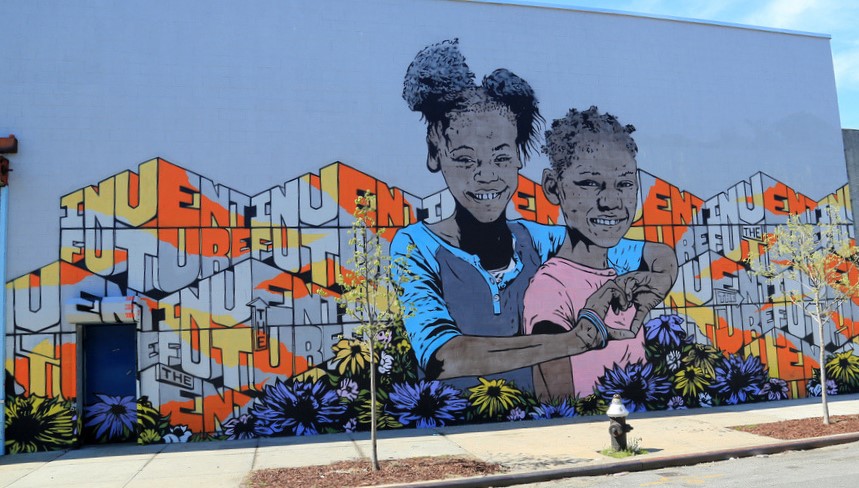
Photo of a mural of two Black sisters left girl’s hands making a heart shape, both smiling. Source: Flickr / lunapark


Eid Mubarak to our Muslim relations. Happiness and joy during this special season.

22 April is Earth Day. Environmental disasters and climate change impact people of color differently and often more severely than many white people or people with privileges. It often isn’t people of color who are the ones making the detrimental environmental conditions. I hope you’ll take some time to learn about the environmental justice movement. If you’re looking for a great book to get started Braiding Sweetgrass is a gorgeous book that is finally getting the attention it deserves. A young adult version was recently released too.


A few weeks ago, I went to the Pacific Science Center’s fundraising luncheon. Sandwiched between the warm and soothing butterfly house and an IMAX theatre (which is one of the best theatres in the area) we heard fabulous speakers talk about their passions for learning and inspiring curiosity. The keynote speaker Matt Oppenheimer, founder of Remitly (an international money transfer company) said something that stuck with me. He said, “Fall in love with the problem, not the solution.” He talked about this principle of how he built Remitly – the problem was people needed to move money quicker and cheaper. Oppenheimer talked about how he had to be careful not to become wedded to one idea or solution in trying to solve that problem, especially as he built his company and had invested a lot of time and effort into solutions to the problem.

When I heard that phrase, my first reaction was “How do we fall in love with racism? Racism is bad – very bad, not lovable bad.” But there is something there. We have to figure out how to love the problem so we stick with it and not abandon solving racism.

Ta-Nehisi Coates’ quote from Between the World and Me: “But race is the child of racism, not the father,” lays out the problem to love nicely. Race and racism are social constructs. Race has become a way to make the world more understandable for our modern lives – there is no other need for race other than what we make it. Yet we need to pay attention to race because race and its consequences have permeated every aspect of our lives and we need to figure out how to love the problem so we fix the problem of racism.

I see white people often fall in love with their solutions. It looks like creating programs for people of color, savior-ism tactics around giving something, missionary work, and so on. People fall in love with their solutions and not the problem of race. The solutions they dream up and carry out give white people and the systems that perpetuate them meaning, value, jobs, and proximity to power. Even when the solutions are band-aids or are flat-out not working for people of color, white people and their systems, which many pocs work in and are part of (myself included), continue to perpetuate them because we love the wrong things, or it is easier to continue then to break apart a legacy of bad love.

We need to fail faster

If we fall in love with the problem and the people at the heart of the problem, we can identify what isn’t working faster. One of my genius colleagues, a Black disabled woman, will often ask “How will you know when you failed?” She also has a genius way of asking this right in the middle of big presentations where people are proudly showing off their new shiny programs. It brings the conversation back down to earth and jabs right at the heart of the problem. Her point is, we often have an idea of what success will look like, but rarely define what failure looks like. Project and program logic models, grant documents, and so often have us define what success will look like. What is the aspirational goal or the north star we’re marching towards. Rarely are we asked to articulate what failure will look like, what are the warning signs, the symptoms, the lack of traction that we need to look for so we can stop what isn’t working quicker. Too often systems want to see success on their terms without recognizing the signs of failure. Oppenheimer talked about failing faster so he could get back to loving the problem and not a solution that wasn’t working.

How to fall in love with a problem

I’m still figuring out how to fall in love with a problem I don’t want to love. In order to love something we have to know it, understand all of its greatness and nuances, and listen to it with all of our attention-not half-heartedly while we scroll on our phones. I am working on figuring out how to love racism and give it the attention it needs so I can solve it. In the meantime, I have a love for my Black and Brown friends, neighbors, and relations – they have the knowledge, resiliency, humor, indigeneity, and fortitude to see problems and solutions, to build and sometimes repair, and love another for justice’s sake.


Thank you to our Patreon subscribers. At this time I don’t offer ‘extras’ or bonuses for Patreons. I blog after working a full-time job, volunteer and family commitments thus it is hard to find time to create more content. Whatever level you are comfortable giving pays for back-end costs, research costs, supporting other POC efforts, etc. If your financial situation changes please make this one of the first things you turn-off — you can still access the same content and when/if you are able to re-subscribe I’ll appreciate it.

Adrienne, Agent001, Aimie, Alayna, Alessandra, Alessandra, Alex E, Alexa, Aline, Alison FP, Alison P, Allison, Amanda, Amber, Amira, Amy, Amy K, Amy P, Amy R, Andie, Andrea J, Andrea JB, Andy, Angelica, Angelina, Ashlie, Aya, Barb, Barbara, Barrett, Betsy, Big Duck, Brad, Brenda, Bridget, Brooke B, Brooke DW, Cadence, Caitlin, Calandra, Callista, Cari, Carmen, Carolyn, Carrie B, Carrie C, Carrie S, Catherine, Chelsea, Christa, Christina C, Christina S, Clara, Clark, Courtney, Dan, dana, Danielle, Danya, Debbie, DeEtta, Denyse, Dennis, Dennis F, Diane, Don, Ed, Edith, Edith B, Eileen, Elizabeth, Emily, Erica J, Erica RB, Erin, Gene, Genita, Hannah, Hayden, Heather H, Heather M, Heidi and Laura, Heidi, Hilary, J Elizabeth, Jaime, Jake, James, Jane, Janet, Jelena, Jen C, Jen E,  Jen H, Jena, Jenn, Jennet, Jennifer, Jess, Jessica F, Jessica G, Jillian, Jody, John, Jon, Jordan L, Jordan S, Josie, Julia, Juliet, June, Karen, Kate, Katharine, Kathryn, Katie O, Kawai, Keisha, Kelly, Kiki, Kim, Kimberly, Kyla, LA Progressive, Laura, Lauren, Leah, Leslie, Lily, Liora, Lisa C, Lisa P-W, Lisa S, Liz, Lola, Lori, Lyn, Maegan, Maggie, Maile, Maka, Maki, Marc, Mareeha, Marilee, Mark, Matthew, Maura, McKenzie, Melissa, Melody, Meredith, Michael, Mickey, Migee, Mike, Milo, Mindy, Misha, Molly, Nat, Natasha, Nicole, paola, Peggy, PMM, Porsche, Rachel, Raquel, Rebecca, Sally, Sarah B, Sarah D, Sarah H, Sarah KB, Sarah R, Sarah S, Sarita, Selma, Sharon B, Sharon Y, Shaun, Shawna, Siobhan, Steph, Stephanie, Su, Sue, Susan, T Wang, Tania DSA, Tania TD, Tara, tash, Tim, Titilayo, Tracy G, Tracy TG, virginia, Vivian, Ward, Wendy, Willow, and Zan

If you subscribe to the blog, thank you. Please check fakequity.com for the most up-to-date version of the post. We often make grammatical and stylistic corrections after the first publishing which shows up in your inbox. Please subscribe, the sign-up box on the right sidebar (desktop version). To see what Erin is reading and recommended books check out the Fakequity Bookshop.
I am writing from the lands of the 29 federally recognized and non-federally recognized tribes in now Washington State, including the Coast Salish people — Duwamish, Muckleshoot, Suquamish, Snoqualmie, Snohomish, and Native American organizations that have treaty rights and have been here since time immemorial. I give my thanks to the elders, Native and Indigenous colleagues and relations, and the land itself. Fakequity pays “rent” to Native organizations in Washington and Hawai’i; a small act to repair and work to be in more justice-based relations.